For decades, Canadian diplomacy operated like clockwork behind the scenes. Ottawa played the role of the reliable multilateral partner—ever present, deeply polite, but rarely grabbing the megaphone when the global elite convened each September in New York. That playbook is gone. Amid a fracturing geopolitical order, Canada is stepping into a much sharper, more assertive spotlight at the United Nations.
Shifting political winds, evolving domestic leadership under Prime Minister Mark Carney, and compounding international pressures have forced a fundamental pivot. Instead of passively hoping for a stable rules-based order, Ottawa has adopted a posture that looks reality squarely in the eye. This shift isn't just about rhetoric; it's about survival in an era where middle powers can no longer afford to stay quiet.
The Real Drivers Behind Canada’s Diplomatic Shift
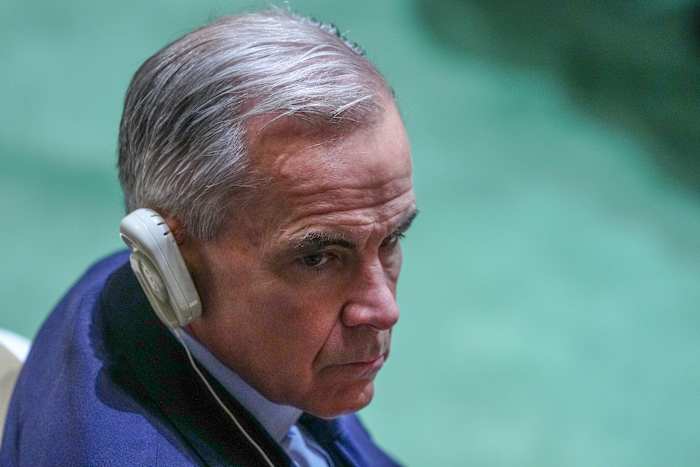
Why the sudden urgency? Traditional alliances are straining under economic nationalism, and global institutions face unprecedented gridlock. When Prime Minister Carney took to the UN General Assembly podium, the message broke sharply from past convention. The strategy now centers on active, pragmatic engagement with a fractured world rather than waiting for multilateral consensus that may never materialize.
Critics often argue that middle powers punch above their weight only when they act as neutral mediators. But today's crises—from fracturing global supply chains to escalating security flashpoints—demand clear stances. Foreign Minister Anita Anand and other top officials have had to navigate high-stakes votes and contentious committee positions, shedding the old habit of dodging controversial stances behind closed doors.
Consider how this plays out on human rights and international governance committees. When votes happen on contentious global bodies, transparency has become a surprising new standard. Rather than hiding behind secret ballots as past administrations routinely did, Canadian diplomats are increasingly forced to put contentious votes on the public record. That visibility carries political risk, but it buys moral authority.
The Domestic Pressures Hitting the Global Stage
You cannot separate Canada's new UN posture from its domestic tightrope walks. Energy policy, climate targets, and Indigenous rights are constantly under international scrutiny. While Ottawa champions clean energy transitions on global panels, it simultaneously wrestles with domestic fossil fuel expansion realities and the hard numbers of missed climate targets.
When global bodies question these contradictions, Canadian delegates have to defend them in real time. This friction creates a more compelling, if uncomfortable, diplomatic presence. It moves Canada away from a sanctimonious lecturing style and forces a more pragmatic defense of national interests within a messy global economy.
What Comes Next for Ottawa’s Foreign Policy
The spotlight is fickle. Holding it requires more than sharp speeches at Turtle Bay. To maintain this newfound diplomatic leverage, Canada has to back its words with concrete domestic alignment—whether that means modernizing defense capabilities, stabilizing economic partnerships, or facing down climate accountability head-on.
The era of quiet diplomacy is over. If Canada wants to keep steering conversations on the world stage, it must embrace the friction of a broken international system without blinking.