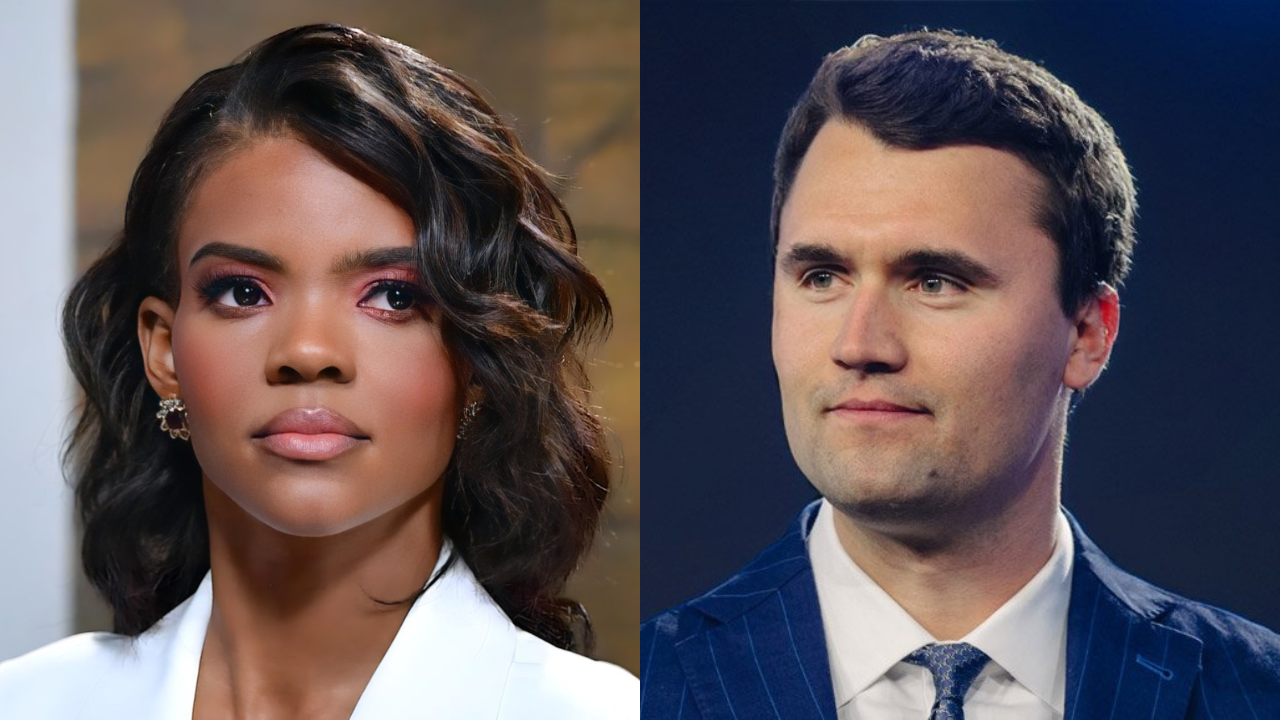
A single social media post can trigger an avalanche of internet outrage when the people involved live their lives entirely in the political spotlight. Candace Owens learned this lesson yet again after sharing a nostalgic photograph featuring herself and the late Turning Point USA founder Charlie Kirk.
The image showed the pair smiling together while wearing leis, accompanied by a short caption noting that she had many memories that still brought a smile to her face. Instead of acting as a simple quiet reflection, the post instantly detonated across digital platforms. Critics and online commentators quickly seized the opportunity to pivot from the memorial to Owens' own personal life, questioning why she frequently posts about her former colleague while rarely sharing similar public homages to her husband, George Farmer. If you found value in this article, you should look at: this related article.
The commentary quickly escalated from political disagreement into personal attacks. One widely circulated remark claimed that her husband did not make her smile the way Kirk used to, dragging her marriage into the center of a public spectacle. This online backlash didn't materialize out of nowhere. It sits on top of a mountain of ongoing tension within conservative media circles following Kirk's death, especially given Owens' high-profile public clashes with Kirk's widow, Erika Kirk.
Public figures who build their brands on constant engagement often find that their personal histories are treated as fair game by hostile audiences. Owens and Farmer married in 2019 after a swift courtship that began within political networking circles, and they have since built a family together. Yet, internet sleuths love to weaponize timelines. Critics used the throwback photo to resurrect old narratives about how quickly the couple's relationship moved, attempting to paint a picture of domestic disconnect based entirely on social media habits. For another angle on this event, check out the recent coverage from The New York Times.
Expecting public figures to curate their digital presence to satisfy internet strangers is a losing game. Most people don't broadcast every detail of their private relationships online, yet commentators treat a lack of public posts as absolute proof of marital trouble. Owens herself has previously joked or spoken candidly about staying out of her husband's daily routine while working from home, remarks that internet critics routinely twist to fit their own narratives.
The real story here isn't about a lack of affection or hidden marital strife. It's about how parasocial audiences demand total transparency and punish public figures when their digital expressions don't match arbitrary expectations. When you mix high-stakes political drama, personal grief, and aggressive social media culture, a simple wave of nostalgia is bound to crash against the rocks of public cynicism.
If there is a practical takeaway from the digital noise, it's that internet commentators will always find a way to manufacture controversy where none exists. Protecting your peace means recognizing when online discourse crosses from valid critique into unhinged speculation, and responding by logging off rather than feeding the machine.