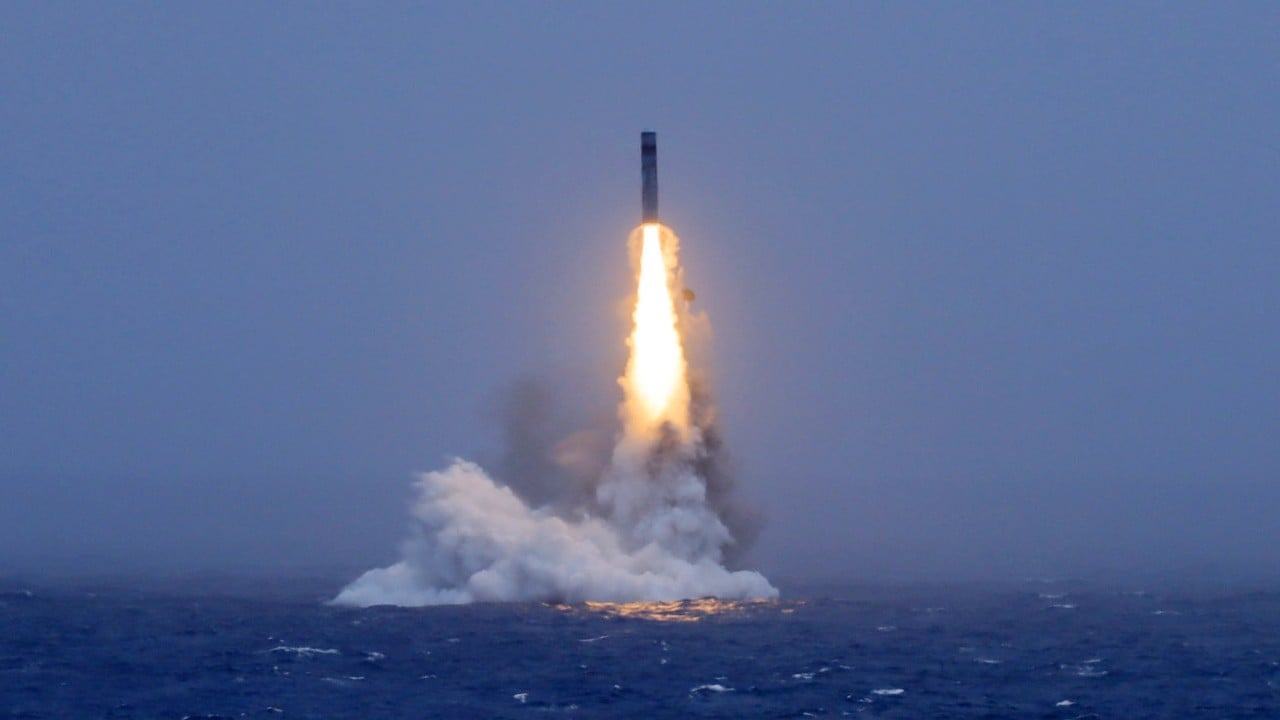
Beijing just sent a blunt message wrapped in rocket fire across the Pacific, and the Pentagon is scrambling to parse the timing. When China test-fired an intercontinental ballistic missile into the open waters of the Pacific Ocean, it did something it hadn't done in over forty years. But the real story isn't just the hardware. It's the clock. The US military confirmed that China provided only a few hours of advance warning before the nuclear-capable missile blasted into the sky.
That short notice window matters immensely. For decades, Washington and Beijing maintained a fragile but predictable dance around strategic military tests. By shrinking the communication window down to a handful of hours, China deliberately signaled a shift in how it handles nuclear diplomacy. This wasn't a standard, quiet test inside continental China. This was a public display of strategic reach designed to make Washington blink.
If you're trying to understand why this flashpoint matters for global security, you have to look beyond the raw military telemetry. It tells us exactly where the relationship between the world's two biggest superpowers is heading.
The Reality of China Sudden Pacific Missile Test
The details of the launch reveal a lot about Beijing's growing confidence. The missile, identified by analysts as a DF-31AG or a similar road-mobile variant, flew thousands of kilometers before splashing down in a designated zone of the Pacific Ocean. This route flew right past Taiwan and US allies in the region.
Historically, China conducts its ballistic missile testing within its own borders, typically launching from deep inland sites into the remote deserts of Xinjiang. Testing into the open ocean requires a completely different level of operational confidence. You're exposing your technology to foreign surveillance vessels, radar tracking, and potential intelligence collection by the US navy.
Beijing chose the open ocean anyway. They wanted the world to watch. By giving the US only hours of warning, China ensured that Washington had enough time to clear civilian airspace and avoid an accidental military response, but not enough time to deploy specialized tracking assets to map the entire flight profile perfectly. It was a calculated move to balance safety with maximum strategic friction.
Decoupling from the Old Rules of Deterrence
For a long time, the Western defense establishment operated under the assumption that China maintained a minimal nuclear deterrent. The policy was simple. Keep just enough nuclear weapons to survive a first strike and hit back. That old playbook is completely dead.
The Pentagon estimates that China currently possesses over 500 operational nuclear warheads and is on track to double that number by 2030. This Pacific test is the physical manifestation of that rapid expansion. When you build hundreds of new missile silos in the desert and upgrade your submarine fleet, you eventually have to test the operational readiness of the entire chain of command.
Giving a brief heads-up to the US looks like a courtesy on the surface. In reality, it serves as a demonstration of power. It tells Washington that China can target the American mainland at a moment's notice, and there isn't much anyone can do to stop it. The timing also feels deeply political, coming right during a period of intense friction over Taiwan and South China Sea maritime borders.
Reading Between the Lines of the Pentagon Reaction
The official line from the Pentagon was surprisingly measured, but the underlying tension is obvious. Department of Defense officials acknowledged receiving the notification. They called it a step in the right direction to prevent miscalculation.
Don't let the diplomatic language fool you. Behind closed doors, military planners are deeply uncomfortable with this shortened timeline. Safe deterrence relies on predictability. When warning windows shrink from days to hours, the margin for error evaporates. If a Chinese missile launch looks ambiguous or deviates from its predicted path even slightly, US defense systems have to make split-second choices about interception or retaliation.
We are seeing a clear breakdown of the traditional guardrails that kept the Cold War from turning hot. During the height of the US-Soviet rivalry, complex treaties mandated strict, highly specific notification windows for strategic launches. No such comprehensive framework exists between Washington and Beijing. This test proves that China prefers to set its own terms rather than negotiate a shared rulebook.
What This Means for Allied Security in Asia
The ripples of this launch extend far beyond Washington. Allies like Japan, Australia, and the Philippines are watching this play out with growing alarm. A missile capable of traveling deep into the Pacific can easily hit any regional base or capital city.
Japan noted that the missile flew over its southern island chains, causing immediate security anxieties. For Tokyo and Manila, the lesson is clear. They cannot rely solely on the assumption that China will keep its nuclear forces behind a wall of secrecy. Beijing is becoming comfortable operating openly in the shared maritime spaces of the Indo-Pacific.
This reality forces US allies to rethink their own defense postures. We are already seeing Japan dramatically increase its defense spending and acquire long-range counterstrike capabilities. Australia is moving forward with its nuclear-powered submarine acquisition through the AUKUS framework. Far from intimidating its neighbors into submission, China aggressive testing is driving regional powers closer into a unified defensive front.
How to Track the Shift in Pacific Military Strategy
If you want to keep tabs on how this strategic competition evolves, look at these three critical indicators over the next twelve months.
First, watch the frequency of open-ocean tests. If this launch becomes a regular annual or biannual event rather than a one-off spectacle, it means Beijing has permanently normalized long-range ocean testing.
Second, monitor the status of military-to-military communications lines. The hotlines between Washington and Beijing have famously gone silent during past crises, especially after high-profile incidents like the spy balloon saga or diplomatic visits to Taiwan. If these communication channels remain spotty, the risk of a short-notice test turning into a genuine crisis spikes dramatically.
Third, pay close attention to regional missile defense deployments. The US will likely respond to this short-notice reality by upgrading its radar infrastructure and interceptor networks in Guam and Hawaii. Track how these defense assets shift, because that tells you exactly where the Pentagon expects the next operational challenge to emerge. Keep your eyes on the specific deployment of Aegis-equipped naval vessels and land-based radar arrays in the second island chain. That is where the real counter-strategy is being built right now.