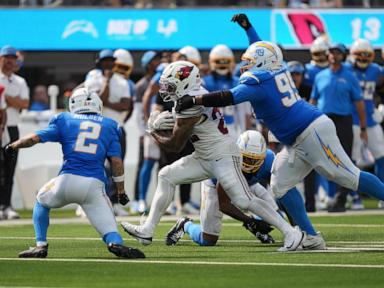
New coordinator debuts rarely go according to script, but Los Angeles fans expected a smoother transition than what unfolded out of the gate. When Chris O'Leary took over the defensive play-calling reins, expectations were high for a unit that needed to maintain its edge under Jim Harbaugh. Instead, a rough 26-14 opening loss to the Arizona Cardinals put every single level of the defense under an immediate microscope.
Football fans love to overreact after Week One. We look at a single box score and draw sweeping conclusions about a coordinator's future. But looking closely at how O'Leary's group operated reveals a more nuanced picture of trial, error, and eventual adaptation. For an alternative look, consider: this related article.
The Reality Check of Opening Day
Let's be honest. Opening day disasters usually stem from a mix of vanilla schemes and execution errors. Against Arizona, O'Leary's defense struggled across multiple metrics. They had trouble getting off the field, missed key open-field tackles, and failed to consistently disrupt the opponent's rhythm early on.
When you promote from within or bring in fresh voices, there's always a learning curve. O'Leary spent time previously as a safeties coach in Los Angeles before a stint coordinating at Western Michigan. Returning to the organization meant he understood the core defensive foundations built the year prior, but calling the whole show changes the dynamic entirely. Similar coverage on this trend has been shared by NBC Sports.
The biggest issue in that initial outing wasn't just a lack of talent. It was the absence of immediate answers when the opposing offense started finding soft spots in coverage.
Silver Linings and Red Zone Grit
You can't talk about that debut without mentioning how the unit managed to bend without completely breaking. A total collapse was entirely on the table, yet the defense buckled down when backed against their own end zone. Forcing Arizona to settle for three field goals out of five red-zone trips kept the score manageable.
If those red-zone stands don't happen, the game turns into a blowout by halftime. That resilience hinted at the underlying culture Harbaugh demands. Players didn't quit when things went sideways. They fought for field position and gave the offense a chance to stay within striking distance, even if the offensive side of the ball had its own miserable day with third-down conversions.
Adjusting on the Fly
The real test of a coordinator isn't how they look when everything works. It's how they fix things when the plan falls apart in the first quarter.
Over subsequent weeks, we've seen O'Leary adjust his approach. He leaned heavily into tailoring game plans to match specific opponent strengths, protecting young pieces, and relying on veteran leadership from stalwarts like Derwin James to clean up communication breakdowns in the secondary. The early panic has slowly given way to a more pragmatic style of football.
If the interior defensive line continues to hold up against the run and generate pressure, O'Leary's unit has a legitimate path toward becoming the top-tier defense everyone envisioned during training camp. Growing pains are part of the deal. How a coaching staff responds to a disastrous debut usually dictates the trajectory of the entire season.
Stop stressing over a single September afternoon. Watch how the unit handles the stretch run. That will tell you everything you need to know about where this defense is heading.
Chris O'Leary, Genesis Smith, & Nadame Tucker On Defensive Progress
This interview footage provides direct insight from coach Chris O'Leary and players regarding how the defense adjusted and progressed following their rocky initial performance.