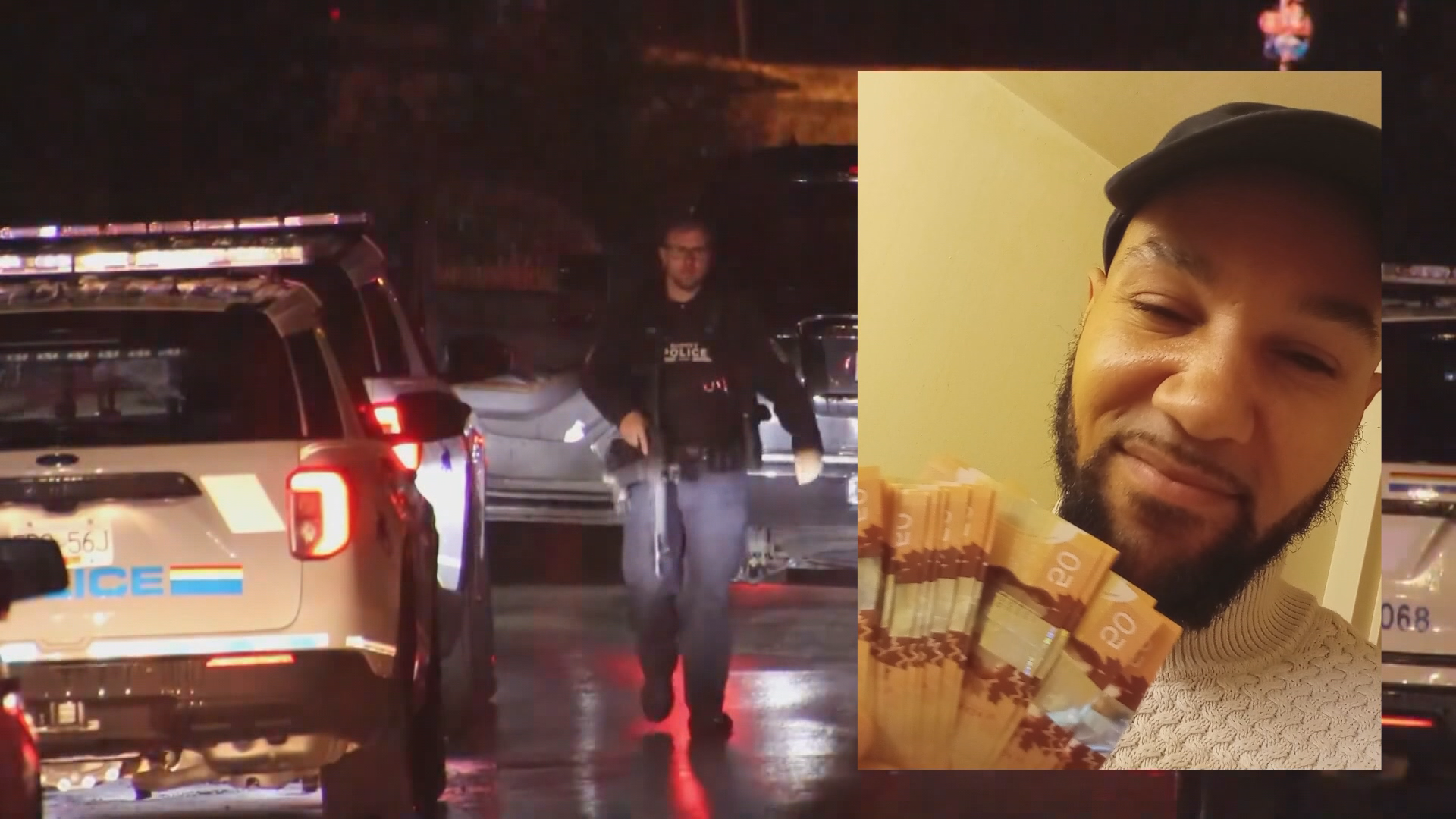
Saying "it wasn't me" sounds simple enough on a witness stand. Proving it when your DNA is on a missing kitchen knife and you're picked up within a kilometre of the scene is another thing entirely.
In the B.C. Supreme Court trial in New Westminster over the fatal home invasion of 30-year-old Tori Dunn in Surrey's Port Kells neighbourhood, accused killer Adam Mann took the stand in his own defence and denied any role in her death. Mann claimed he had simply stumbled across a bloody knife and a phone while wandering nearby and tossed them away. Yet by October 22, 2026—just two days after his denial made headlines—a 12-person jury rejected that story and convicted him of second-degree murder.
Anyone watching courtroom dramas expects a dramatic twist when an accused person testifies. In reality, taking the stand without consistent details can hand prosecutors an opening they didn't even have before.
How the Tori Dunn Murder Trial Unfolded
The attack happened on June 16, 2024—Father's Day—at Dunn's home in Port Kells. According to court testimony, Dunn and her boyfriend, Trafford Wace, had returned home after a family birthday dinner. Wace testified he was in the bathroom when he heard a loud scream coming from the living room.
Prosecutors told the jury that an intruder entered the residence and stabbed Dunn four times, including in the abdomen. Dunn's father, Aron, shared that his daughter was on a couch when she was attacked; she was taken to hospital and pronounced dead in less than an hour.
After the attacker fled, Dunn's boyfriend noticed a kitchen knife was missing from the home, and her cellphone was also gone. Police located Mann within half an hour and within one kilometre of the residence. Forensics and recovery evidence later tied a kitchen knife—found on a neighbour's property with a probable DNA match to Mann—and Dunn's missing phone, recovered in a greenspace near where Mann was arrested, back to the aftermath of the crime.
What Happened on the Witness Stand
When Mann testified in October 2026 as the sole defence witness, he didn't offer a neat alibi. Instead, he told the court he had picked up a bloody knife and a phone along the side of a road and discarded them.
Under cross-examination by Crown prosecutor Tim Livingston, those explanations quickly ran into trouble. When pressed on which road he found the items on, Mann said he didn't know and added, "I don't have a clue". Asked whether he threw the knife up against a building where police later found it on a neighbour's property, he again said he didn't know where he threw it, just that he tossed it.
Even his explanation for acting wary around police shifted. Mann had spoken of an earlier altercation on a bus over a bag, though under cross-examination he acknowledged he might not have even had the bag with him on the bus because it had been lost along the way. Still, he claimed he worried police were coming after him over that bus incident. When Livingston put it directly to him that his DNA was on the knife handle because he held it while stabbing Dunn, Mann flatly denied it, insisting he never stepped foot in anyone's home or stabbed anyone.
Why "I Don't Know" Hurts Credibility in Court
Having covered plenty of criminal trials and legal arguments, one pattern stands out every time a defendant testifies: juries don't expect encyclopedic recall of every minor detail, especially under stress, yet repeated shrugs on central physical links look evasive.
Think about the "found object" defence in general. People sometimes do pick up strange things on the street, and real-world memories can be hazy. The catch is probability and corroboration. If a knife happens to match one missing from a nearby murder scene, turns up on an adjacent property, carries the accused's DNA, and is paired with the victim's missing phone found in a nearby greenspace, "I don't know where I found it or threw it" asks jurors to swallow a chain of coincidences all at once.
Defence counsel argued there were significant gaps in the Crown's case, and closing arguments also touched on broader context around Mann's background—including that he is a Black man of African and First Nations descent struggling with addiction in what appeared to be an upper-middle-class neighbourhood, which the defence suggested could factor into why he wanted to avoid police. From a strategic standpoint, raising that point is understandable. Still, jurors have to weigh every claim against the physical timeline and consistency of the testimony.
As Global News reported during the trial, prosecutors urged the jury to reject Mann's account as "vague, improbable and… inconsistent," arguing key pieces of it defied logic and common sense. Once the jury began deliberating on October 21, 2026, they returned a guilty verdict of second-degree murder within hours.
Bail Oversight and Systemic Questions Beyond the Verdict
A murder conviction settles criminal guilt for the attack, yet for Dunn's loved ones and observers following B.C. justice policy, it doesn't close every question. Court and news reporting noted that Mann was out on bail at the time of the June 2024 killing, and he had a prior conviction from December 2014 for assaulting two correctional employees by spitting on them at Atlantic Institution in New Brunswick.
In Canada, bail decisions are governed by strict constitutional standards under the Charter of Rights and Freedoms, including the presumption of innocence and the prohibition against denying bail without just cause. That balance is genuinely tough in practice: courts have to assess flight risk, public safety, and confidence in the administration of justice using the information available at a bail hearing, often before full trial evidence is tested. Critics and grieving families often argue the system swings too far toward release, while legal scholars warn against knee-jerk rules that could trap lower-risk accused people in custody for years. Both sides point to real pressures inside overstretched courts and correctional systems.
Following the tragedy, Dunn's family started a petition calling for a legal review of Mann's release before the attack and pushing for reforms so other families wouldn't endure the same loss. After the verdict, Dunn's father, Aron, spoke of the weight of sitting through two-and-a-half years of proceedings while hoping the system would examine where it breaks down. John Wace, the father of Dunn's boyfriend, noted that second-degree murder carries an automatic life sentence, with a judge set to determine parole eligibility.
Practical Ways to Follow Court Cases and Policy Reforms
If you're tracking this case or following how bail and violent-crime reforms move through British Columbia and Canada, a few habits keep you grounded in actual facts rather than social media rumours:
- Read trial dispatches alongside verdicts: Early headlines capture dramatic testimony like a defendant's denial, while later reports—such as coverage from CBC News and CTV News—show how the full evidentiary record and jury instructions shaped the final outcome.
- Distinguish sentencing from conviction: A second-degree murder conviction brings a mandatory life sentence, while parole eligibility is set separately by the sentencing judge based on statutory rules and case factors.
- Check official legislative and justice updates: When debates flare over bail conditions or public safety reviews, look up official government releases, legislative amendments, and court summaries rather than relying on viral summaries that blur distinct legal stages.


