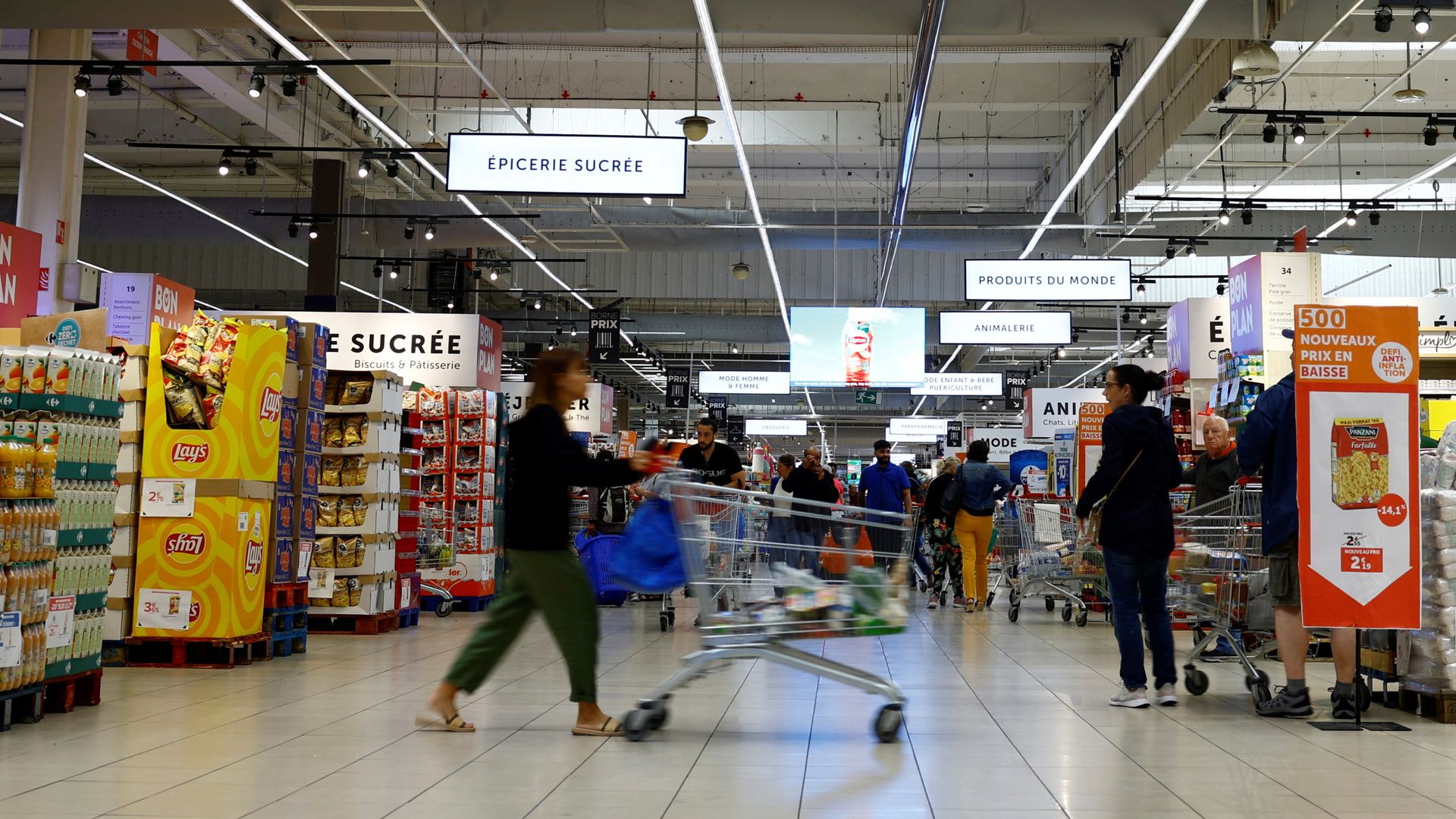
When unknown operators remotely manipulated the refrigeration controllers of hundreds of French supermarkets, they did not just spoil dairy and melt frozen inventory. They weaponized the physical environment. By forcing commercial cooling units into an aggressive defrost cycle that pushed internal temperatures to fifty degrees Celsius, the intrusion triggered localized fires and exposed the fragile underbelly of urban food distribution. This was not a sophisticated ransomware deployment locking data behind an encryption key. It was a calculated demonstration that digital connectivity can be turned into thermal destruction.
The incident bypassed traditional threat models. For decades, retail cybersecurity focused on protecting credit card databases, customer loyalty profiles, and point-of-sale terminals. IT departments built massive perimeters around financial records while treating operational technology and building management systems as isolated utilities. Commercial refrigeration units, often managed by third-party vendors via remote internet gateways for energy efficiency and predictive maintenance, sat exposed on public-facing networks. Many ran on outdated firmware with default administrative credentials left intact.
When attackers gained entry, they exploited the built-in maintenance features of the hardware itself. Industrial refrigeration systems require a defrost mechanism to prevent ice accumulation on evaporator coils. By overriding internal logic boards and commanding the heating elements to stay active indefinitely, the code transformed climate-controlled preservation units into commercial ovens.
The fallout extended far beyond spoiled merchandise. In multiple locations across Europe, the sudden thermal spike caused electrical shorts that ignited insulation and plastic housing, forcing local fire brigades to respond to smoke-filled retail floors before dawn. Supermarket chains like Intermarché and Coopérative U watched entire inventories vanish in hours, leaving bare shelves that confused automated supply chain forecasting software. When inventory systems registered zero sales due to cleared-out aisles, replenishment algorithms briefly assumed consumer demand had evaporated, creating a secondary ripple effect in distribution logistics.
Governments quickly moved from commercial assessment to geopolitical attribution. French authorities and intelligence agencies pointed toward state-sponsored actors, specifically linking the methodology to external hybrid warfare strategies designed to test critical infrastructure resilience. As the disruption scaled across multiple European nations, affecting cold storage networks well beyond French borders, foreign ministries began preparing diplomatic countermeasures and targeted sanctions.
The technical reality underlying these events is remarkably mundane. Convenience has systematically triumphed over basic network hygiene. Facilities management companies routinely connected closed-loop industrial controllers to the open internet to avoid paying technicians for onsite troubleshooting. Air-gapping—physically isolating critical operational networks from corporate IT infrastructure—was abandoned in favor of cloud-managed convenience.
Fixing this vulnerability requires an immediate retreat from frictionless remote management. Industrial cooling units do not need direct cloud connectivity to function efficiently; local sensor monitoring paired with isolated, encrypted local networks is sufficient for oversight. If a system requires remote adjustments, authentication must rely on hardware tokens and zero-trust architecture rather than static passwords accessible via a standard web browser.
The supermarket thermostat attacks mark the end of an era where digital intrusions were measured solely in lost data. When code can melt steel casings, spoil national food reserves, and start structural fires, cybersecurity ceases to be an enterprise IT problem and becomes a matter of physical survival.


