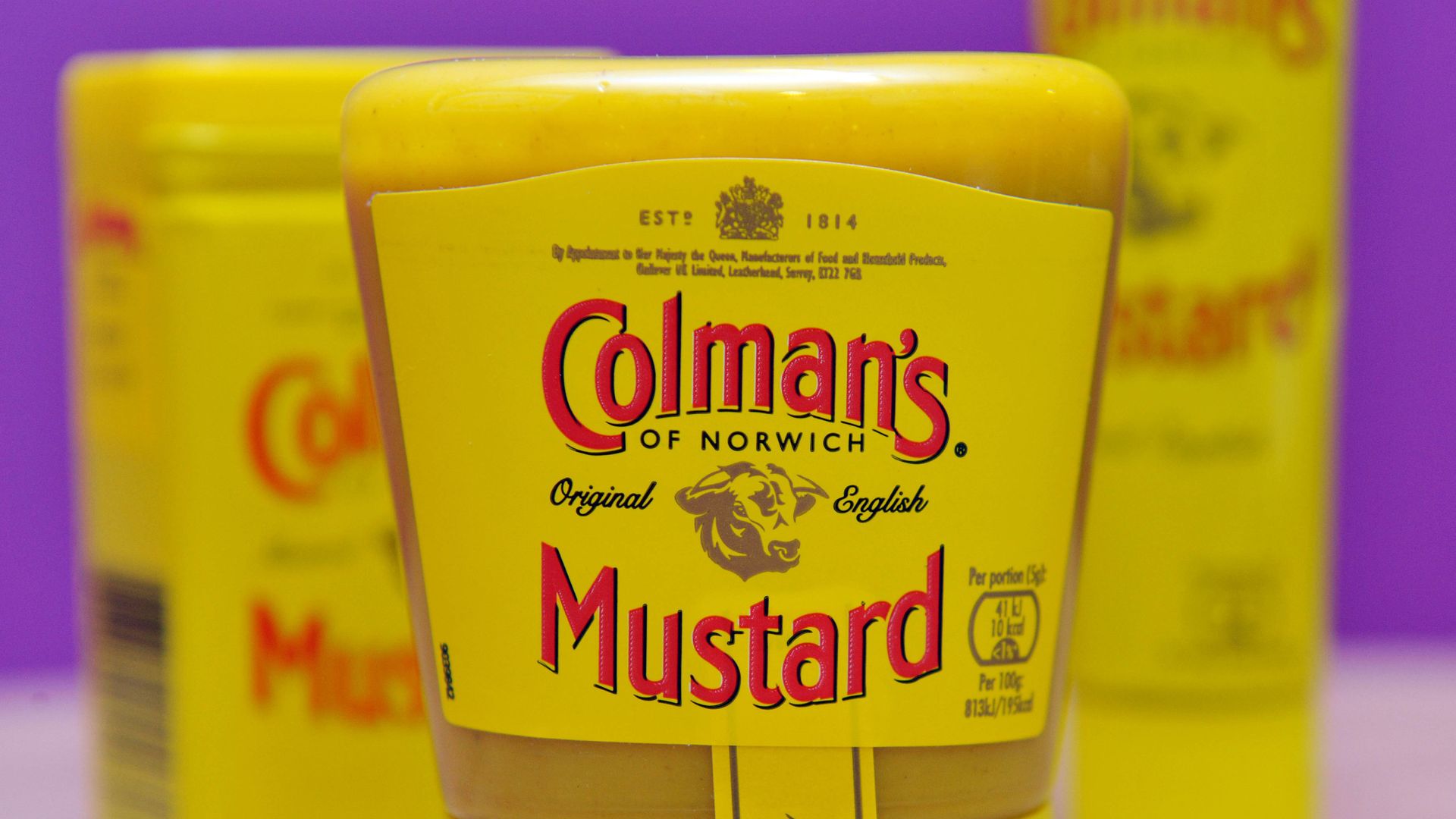
Everyone is popping champagne over the latest mega-merger involving heritage brands and global conglomerates. The financial press loves a tidy narrative about century-old mustard makers spreading their wings across international markets thanks to multi-billion-dollar corporate restructuring. It sounds like a triumph of scale. It sounds like the logical evolution of a pantry staple.
It is actually a corporate death march wrapped in glossy PR.
I have watched legacy fast-moving consumer goods companies swallow heritage brands whole for two decades. I have seen the post-acquisition spreadsheets, the margin compression panic, and the slow, agonizing erosion of what made a product worth buying in the first place. When a brand like Colman's gets dragged into the orbit of a massive corporate apparatus, nobody wants to admit the dirty truth. Massification kills flavor, and financialization destroys soul.
Let us dismantle the lazy consensus.
The Scale Trap Nobody Wants to Talk About
The core fallacy of the modern conglomerate playbook is the worship of synergy. Wall Street treats global distribution as an unmitigated good. If a local condiment can be sold in Ohio, or Seoul, or Buenos Aires, the financial model assumes infinite upside.
This ignores a brutal economic law. When you scale a niche product for mass consumption, you dilute its identity to appease the lowest common denominator of global palates.
Colman's is famous for one specific thing. It clears your sinuses. It delivers a sharp, nose-tingling kick of heat derived from a precise blend of white and brown mustard seeds, backed by a cold-water mixing technique that activates the allyl isothiocyanate. That chemical compound is aggressive. It is unapologetic. It does not test well with focus groups in suburban expansion markets who prefer their condiments sweet, mild, and utterly forgettable.
Imagine a scenario where a global brand manager looks at a local profit-and-loss statement and notices that the horseradish-tier heat profile limits repeat purchases among demographic segments with lower spice tolerance. What happens next? The recipe undergoes a quiet, unannounced softening. The seed blend shifts. The bite gets rounded off.
Suddenly, your heritage mustard is just yellow paste with better packaging.
The Financial Illusion of the Megadeal
Let us look at the numbers behind these massive valuations. When transactions reach astronomical sums, the acquiring entity faces immediate pressure to justify the capital outlay. You do not spend billions acquiring a legacy portfolio to let it sit quietly on UK pantry shelves doing what it has always done. You need growth. You need hyper-growth.
To hit those growth targets, conglomerates rely on three levers:
- Cost engineering: Swapping premium ingredients for cheaper commodity substitutes while keeping the retail price stable to protect operating margins.
- Line extension bloat: Launching ridiculous variants like sweet-onion mustard, honey-infused squeeze bottles, or burger sauces that dilute the brand equity.
- Geographic forced-feeding: Spending millions on marketing campaigns trying to convince international consumers who already have native mustard traditions to buy an imported British condiment they do not understand.
This is not expansion. This is dilution by spreadsheet.
I have watched corporate brand teams spend millions trying to turn regional cult favorites into global lifestyle brands. They hire expensive agencies, redesign the labels to look modern and sterile, and strip away the antiquated charm that built the customer base in the first place. The result is always the same. The core loyalists feel alienated, and the new global consumers treat the product as a novelty purchase they buy once and forget.
Why Heritage Brands Die in Captivity
There is a romantic notion that deep corporate pockets protect heritage products from economic volatility. The reality is far more clinical.
Big consumer goods conglomerates operate on quarterly cycles. They manage massive portfolios of hundreds of SKUs. If a product line does not deliver the required return on invested capital within a strict timeframe, it gets starved of marketing dollars or rationalized out of existence entirely.
A brand like Colman's survived for over two centuries precisely because it was deeply tied to a specific geographic ecosystem, a loyal local agricultural supply chain, and an uncompromising product formulation. When you detach that product from its roots and plug it into a global supply chain matrix driven by cost reduction and volume optimization, you sever the exact ties that kept it alive.
People ask why legacy brands cannot simply scale infinitely without losing their character. The answer is simple physics. High-intensity products require high-intensity supply chains. Sourcing authentic mustard seed from specific growers is expensive. Maintaining strict quality control over a product that relies on volatile chemical reactions is difficult. Massive conglomerates hate difficulty. They love standardization. Standardization is the enemy of craft.
The Contrarian Playbook for Heritage Survival
If you actually care about preserving brands that matter, stop cheering for mega-mergers. The future does not belong to bloated conglomerates trying to squeeze twenty more basis points of margin out of a historic recipe.
The real winners in the modern economy are micro-targeted, fiercely independent operators who understand that loyalty cannot be bought with global ad spend. They win by staying small enough to care about the product and big enough to survive.
If a heritage brand falls into corporate hands, the playbook for survival requires radical resistance to the parent company's worst impulses:
- Refuse the line extension trap: Protect the flagship product at all costs. Do not let brand managers launch garbage variants just to fill shelf space.
- Protect the supply chain: Fight every corporate mandate to substitute premium raw materials with cheaper commodity alternatives.
- Lean into the friction: Do not soften the product for the masses. Let it be polarizing. A product that everyone tolerates is a product that nobody loves.
The corporate strategy team wants you to believe that a massive valuation and global scale mean a brand has won.
It usually means it has been put on life support.
Pass the jar while it still burns.