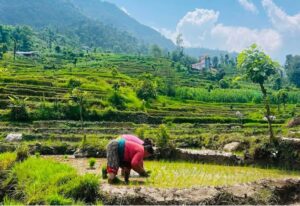
The monsoon isn't just weather in South Asia. It's the economic heartbeat of over a billion people. When the skies turn dry, everything breaks. Farmers watch fields crack under a relentless sun, food prices skyrocket in city markets, and power grids buckle under the weight of millions of air conditioners running all at once.
We keep treating a dry monsoon in South Asia like an unexpected surprise. It isn't. Climate models have been flashing red for years. Yet, every time the rains fail, governments scramble as if they didn't see it coming. A weak monsoon season creates a compounding disaster where extreme heat, water scarcity, and agricultural collapse feed into each other.
If you think this is just a rural issue, you're dead wrong. A failed monsoon triggers a chain reaction that hits urban economies, manufacturing, and national budgets. Understanding the real threat means looking past the simple weather reports and facing the messy reality of a region running out of time.
The Crushing Impact of a Dry Monsoon in South Asia on Food Security
South Asian agriculture lives and dies by the summer rains. The region gets over 70% of its annual rainfall between June and September. This water drives the Kharif crop cycle, filling fields with rice, pulses, cotton, and sugarcane. When a dry monsoon in South Asia hits, the immediate fallout lands squarely on the shoulders of smallholder farmers.
Look at India, where agriculture employs nearly half the population. Rice requires immense amounts of standing water. Without steady rain during the crucial transplanting weeks of June and July, fields stay empty. Farmers who risk sowing anyway often watch their seeds wither in scorched soil. It's a gamble that millions lose every single time the monsoon falters.
The crisis doesn't stay on the farm. Deficient rains mean lower crop yields, which instantly translates to food inflation. We saw this during previous weak monsoon years when the prices of staples like onions, tomatoes, and rice doubled in weeks. Governments usually respond by banning exports to protect domestic supplies. That might keep local bellies full for a moment, but it wrecks global supply chains and destroys the export earnings that farmers rely on to survive.
Pakistan and Bangladesh face similar vulnerabilities. Pakistan's agricultural sector is heavily dependent on the Indus River system, which relies on both glacial melt and monsoon rains. A dry monsoon starves the canals, pitting provinces against each other in bitter water disputes. In Bangladesh, delayed rains allow saltwater from the Bay of Bengal to creep further inland, poisoning freshwater aquifers and ruining fertile coastal soils for years to come.
Extreme Heat and the Wet Bulb Temperature Trap
A dry monsoon doesn't just mean fewer puddles. It means an extended, brutal summer. Normally, the arrival of the monsoon cools the subcontinent, dropping temperatures after the scorching months of April and May. When the rains fail to show up, the heatwave simply keeps rolling, intensifying through June and July.
This creates a terrifying meteorological cocktail: extreme heat combined with high humidity. Meteorologists track this using wet-bulb temperature, which measures how effectively the human body can cool itself through sweat. When wet-bulb temperatures cross 35 degrees Celsius, healthy humans cannot survive outdoors for more than a few hours, even in the shade.
During a prolonged dry spell, major urban centers like Delhi, Lahore, and Dhaka become giant concrete ovens. Millions of laborers, construction workers, and street vendors have no choice but to work in these conditions. They face heatstroke, kidney failure, and chronic dehydration. The economic productivity of the region plummets because people physically cannot work.
The energy sector bears the brunt of this heat. As temperatures soar, power demand reaches record highs. Hydroelectric dams, which supply a significant chunk of South Asia's electricity, run dry because reservoir levels are dangerously low. This leaves coal and gas plants to handle the load. The result is predictable: rolling blackouts, grid failures, and factories shutting down right when the economy needs them most.
The Groundwater Myth is Exploding
For decades, the standard fix for a dry monsoon in South Asia was simple: just pump more groundwater. If the skies don't deliver, tube wells will. This short-term strategy saved crops in the past, but it has created a massive ecological debt that is now coming due.
The Indo-Gangetic plain holds one of the world's largest aquifers. It's also the most intensely depleted. NASA satellite data has shown for years that groundwater levels across northern India and Pakistan are dropping at alarming rates, sometimes by more than a meter per year. Farmers are forced to dig deeper wells, buying more powerful pumps and burning more diesel or electricity to pull water from hundreds of feet below the surface.
This can't go on forever. In parts of Punjab and Haryana, the traditional breadbaskets of India, the water table is so low that the water coming up is increasingly salty or contaminated with heavy metals like arsenic. Pumping groundwater during a dry monsoon is no longer a sustainable backup plan. It's an emergency measure that is running out of steam.
When the shallow wells go dry, small farmers are wiped out first. They can't afford the expensive equipment needed to drill deeper. They end up abandoning their lands and migrating to overcrowded cities in search of daily wage labor. This rural-to-urban migration strains city infrastructure that is already struggling with water shortages and failing public services.
The Financial Fallout Beyond the Farm
A weak monsoon season leaves a massive dent in national budgets. South Asian governments spend billions of dollars every year on agricultural subsidies. They subsidize fertilizer, give free or cheap electricity to farmers for irrigation, and offer subsidized crop insurance.
When a dry monsoon strikes, these costs explode. Governments must pump emergency funds into rural relief packages, truck drinking water into parched villages, and import expensive food commodities to stabilize local markets. At the same time, tax revenues from the rural economy dry up completely.
It hits the banking sector hard too. Rural banks and microfinance institutions face a wave of loan defaults when crops fail. Farmers fall into deep debt traps, often turning to predatory local moneylenders when official banks cut them off. This financial distress has well-documented, tragic consequences across the Indian countryside, where farmer suicide rates spike during severe drought years.
Industrial sectors like consumer goods, automobiles, and textiles suffer as well. Half of South Asia's consumer market lives in rural areas. If farmers don't have money, they stop buying motorcycles, televisions, clothes, and packaged goods. A bad monsoon year drags down the GDP growth of the entire region, proving that everyone pays the price for climate instability.
Real Fixes That We Need to Implement Immediately
We have to stop relying on emergency disaster management and start building actual climate resilience. The current playbook of distributing cash handouts and waiting for next year's rain is a guaranteed path to failure.
First, the region needs an immediate shift in crop choices. Growing water-guzzling crops like rice and sugarcane in naturally water-stressed zones is madness. Governments must change their procurement policies to incentivize farmers to grow millets, pulses, and oilseeds. These crops require a fraction of the water that rice needs, are highly nutritious, and can survive erratic weather.
Second, micro-irrigation must become the default, not the exception. Drip and sprinkler systems deliver water directly to plant roots, cutting water waste by up to 60%. While initial setup costs can be high for a poor farmer, large-scale government subsidies should target these technologies instead of subsidizing the wasteful flood irrigation methods currently used.
Third, rainwater harvesting needs massive, community-led investment. Traditional water bodies, ponds, and stepwells across South Asia have been filled in, polluted, or neglected for decades. Reviving these ancient water management systems helps recharge local groundwater tables and provides a vital buffer during dry spells.
Finally, regional cooperation is non-negotiable. Rivers and weather systems don't care about political borders. India, Pakistan, and Bangladesh share major river basins, yet data sharing on water flows and weather forecasting remains painfully limited by political tensions. Setting up a unified, real-time climate data platform for South Asia is a basic requirement if the region wants to survive the coming decades of climate disruption.
The era of predictable weather is over. A dry monsoon in South Asia is a structural economic threat that demands structural changes. If regional leaders keep dragging their feet, the costs will be measured not just in lost billions, but in lost lives.


