Every November, the same diplomatic theater plays out. Sleep-deprived negotiators wander through cavernous convention halls, coffee cups in hand, telling reporters they haven't lost hope while the official clock ticks past its deadline.
If you've followed United Nations climate summits over the last decade, the final hours of COP31 feel painfully familiar. Deadlocks over fossil fuel phase-outs, arguments over who pays for climate damages, and draft texts stripped of their strongest verbs are standard operating procedure at the Conference of the Parties.
Yet writing these summits off as pointless political pageantry misses how global climate policy actually moves forward. Even when a final plenary drags into overtime and compromises water down the headline text, what happens inside the negotiating rooms dictates trillions of dollars in capital allocation, national energy laws, and corporate risk assessments for the next twelve months.
What Actually Happens During the Final Hours of COP31
Most people assume negotiators spend two weeks calmly debating science before signing a neat treaty on Friday afternoon. That's never how it works.
The first week of any UN climate summit is largely technical groundwork handled by subsidiary bodies—specifically the Subsidiary Body for Scientific and Technological Advice (SBSTA) and the Subsidiary Body for Implementation (SBI). Diplomats argue over measurement methodologies, reporting transparency, and procedural rules. The real political fights don't even start until ministers arrive in week two.
By the final 48 hours, the host presidency takes over the drafting pen. Under the United Nations Framework Convention on Climate Change (UNFCCC), decisions require consensus. Consensus doesn't mean everyone loves the text. It means no single country formally objects when the gavel comes down.
That consensus rule explains why "last-gasp bids" happen at every single summit. A bloc of small island states might threaten to block a deal if emissions targets aren't aligned with the 1.5°C warming limit from the Paris Agreement. At the exact same moment, major oil and gas producers push back against any language naming specific hydrocarbons.
When diplomats say they haven't lost hope as the clock runs out, they aren't necessarily being naive. They're describing a high-stakes game of chicken where nobody wants to be the country blamed for collapsing the multilateral process in front of the world's press.
Why Deadlocks Over Climate Finance Keep Repeating
Follow the money and the gridlock makes immediate sense. Almost every late-night standoff at a COP summit traces back to finance.
Under the 1992 UNFCCC framework, countries were divided into developed nations (Annex I) and developing nations (non-Annex I). That binary split made sense thirty-plus years ago. Today, it's a massive diplomatic headache.
Wealthy nations like the United States and members of the European Union argue that the global economy has changed since 1992. They want major emerging economies—countries with high emissions and substantial industrial capacity—to contribute to global climate funds rather than relying solely on traditional donors.
Developing nations see things differently. They point out that industrialized countries built their wealth on centuries of unrestricted carbon emissions, and they still owe a historical debt to vulnerable regions facing rising seas, droughts, and extreme heat.
Here is where the practical reality gets messy:
- Grants versus loans: Developing countries need grants for adaptation projects like seawalls and drought-resistant agriculture because those projects don't generate direct financial returns. Wealthy nations often prefer offering concessional loans or leaning on private-sector mobilization, which adds to the debt burdens of poorer nations.
- Disbursement delays: Pledging billions on a stage is easy. Getting money through multilateral development banks and into local infrastructure projects takes years of bureaucratic vetting.
- Loss and damage mechanics: Even after establishing dedicated funding mechanisms at previous summits, fighting over who manages the money, who qualifies for payouts, and how quickly funds move during a disaster remains fiercely contested.
Until governments bridge the gap between public pledges and actual balance-sheet commitments, climate finance will keep pushing every COP past its scheduled closing time.
The Misconception About Non-Binding Agreements
Critics love pointing out that COP declarations don't come with an international police force. If a country misses its emissions pledge, nobody sends troops or slaps automatic tariffs on its exports.
That criticism sounds sharp on cable news, but it misunderstands how international law and global markets interact.
While the headline cover decisions negotiated in overtime aren't legally binding treaties, the Paris Agreement's architecture relies on legally binding procedural obligations. Countries must submit updated Nationally Determined Contributions (NDCs) every five years. They must report their emissions inventories under the Enhanced Transparency Framework. Each new pledge is supposed to represent a progression beyond the previous one.
More importantly, central banks, institutional investors, and corporate boards read COP signals like forward guidance from the Federal Reserve. When nearly 200 countries agree—even reluctantly—on transitioning away from fossil fuels or tripling renewable energy capacity, capital markets adjust their risk models.
Insurers start repricing coastal real estate and wildfire-prone assets. Pension funds reassess long-term exposure to coal and high-cost oil fields. Sovereign wealth funds shift allocations toward grid storage, critical minerals, and clean manufacturing.
The text doesn't need handcuffs attached to it to move money. It just needs to establish the direction of travel.
Why the Host Country Selection and Geopolitics Matter
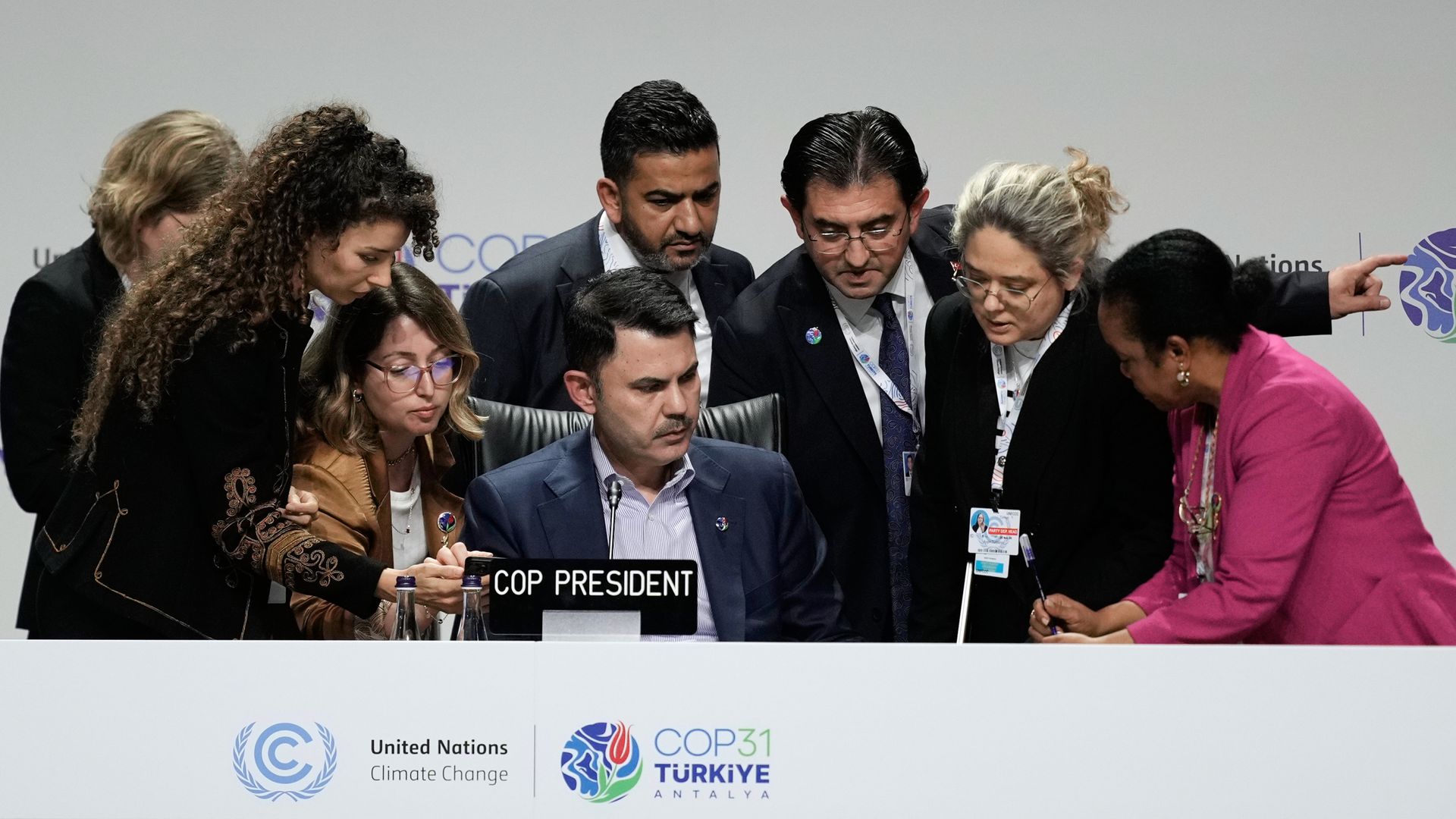
Every COP carries the political fingerprints of its host nation and regional group. Hosting isn't just about renting convention center space and booking hotel rooms for 50,000 delegates. The COP President controls the agenda, appoints the ministerial pairs who broker compromises, and decides when to drop a new draft text on the table.
Regional rotation rules mean the presidency moves among five UN regional groups: Africa, Asia-Pacific, Eastern Europe, Latin America and the Caribbean, and Western Europe and Others. Sometimes securing a host takes years of behind-the-scenes horsetrading, especially when geopolitical tensions spill into the selection process.
When host countries have deep economic ties to fossil fuel exports or heavy industry, environmental advocates immediately question their credibility. Conversely, when a host nation pushes an aggressive green agenda without bringing major emitters along, the summit risks ending in a diplomatic walkout.
Honestly, the toughest job in global diplomacy might be sitting in the COP President's chair at 3:00 AM on a Saturday. You have to satisfy climate-vulnerable nations demanding survival guarantees while keeping petrochemical states from walking out the door.
What Critics Get Wrong About COP31's Slow Pace
It's easy to look at rising global temperatures and conclude that annual UN summits are failing. Atmospheric carbon dioxide keeps climbing. Extreme weather events are hitting harder and costing more every year.
Watching diplomats spend six hours arguing over whether a paragraph should say "phase out," "phase down," or "transition away from" feels absurd when glaciers are melting in real time.
I get the frustration. Anyone who has watched a plenary session stall over a single comma has felt that exact exhaustion.
Yet comparing multilateral climate diplomacy to a simple domestic law misses the scale of what's being attempted. You're trying to get nearly 200 sovereign nations—with wildly different energy grids, political systems, poverty rates, and security interests—to voluntarily rewire the industrial foundation of the modern world.
No international body has ever pulled off an economic transformation at that speed or scale. When the process looks slow, it's because energy isn't a niche sector. Energy is food production, steel manufacturing, shipping, heating, and national defense. Changing it involves trillions of dollars in stranded assets and intense domestic political blowback in every single democracy and autocracy on earth.
How to Read the Final COP31 Text Without Getting Fooled by Spin
When the gavel finally drops and governments declare victory, every delegation puts out a press release claiming they achieved their core objectives. You don't need a diplomacy degree to cut through the spin if you know which specific phrases carry real weight in UN climate texts.
Watch for three things when the final cover decision lands:
- Action verbs versus weak placeholders: Words like "decides," "requests," and "urges" carry far more diplomatic weight than "notes," "welcomes," or "invites." If a major finance or emissions commitment gets downgraded from "urges" to "notes," that section was gutted during the final night.
- Timelines and baselines: A pledge to cut emissions or boost funding means very little without a specific baseline year and a target date. Look for concrete benchmarks—like 2030 or 2035—rather than vague references to "mid-century" or "in a nationally determined manner."
- Follow-up mandates: The sharpest outcomes at a COP aren't always the big slogans. Often, the real progress hides in technical paragraphs that mandate a new work program, require a formal synthesis report before the next summit, or establish a ministerial dialogue with clear reporting deadlines.
If you want to track what actually changes after the delegates fly home, skip the victory speeches and watch national policy updates over the next six months. Look at whether major economies revise their domestic grid subsidies, tighten industrial carbon pricing, or actually transfer pledged cash into multilateral funds.
Check the official UNFCCC document portal directly for the final adopted decisions rather than relying on initial social media summaries, which routinely confuse early draft leaks with the final gavelled text. Compare the final adopted language against the previous summit's cover decision line by line—that gap tells you whether global climate ambition actually moved forward or simply bought another year of talking.