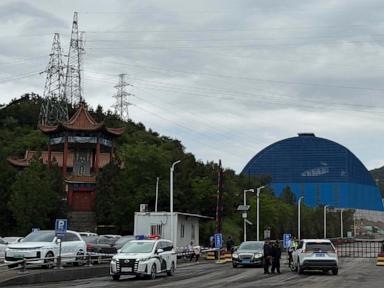
A catastrophic explosion at a coal mine in northern China has left at least 82 miners confirmed dead, triggering a massive rescue operation and exposing the critical friction between Beijing’s aggressive energy production mandates and its workplace safety enforcement. The blast occurred during a period of intensified domestic coal extraction, aimed at ensuring national energy self-sufficiency amid global market volatility. Search teams continue to navigate highly toxic underground conditions to locate remaining workers. This disaster highlights a systemic issue within the Chinese mining sector, where regional production quotas frequently override stringent safety protocols.
Production Pressure Breeds Disaster
The immediate cause of the explosion points to an accumulation of methane gas, a recurring hazard in underground coal extraction. When ventilation systems fail or are intentionally bypassed to accelerate output, the underground atmosphere becomes highly volatile. A single spark from malfunctioning machinery or substandard electrical equipment can turn an entire shaft into an inferno.
This is not merely a technical failure. It is an economic one.
Local administrative officials face intense pressure from the central government to meet strict energy production targets. Over the past several years, the central government has mandated a significant increase in domestic coal output to safeguard the national power grid against blackouts and to reduce reliance on imported fuel. When national directives demand maximum extraction, mine operators frequently cut corners. They delay necessary maintenance. They run equipment past safe operating limits. They allow dust and gas levels to rise to hazardous concentrations, betting that they can extract the remaining coal before an incident occurs.
This calculus proves fatal. The drive for higher yields creates an environment where safety measures are treated as obstacles to productivity rather than life-saving protocols.
The Gap in Safety Enforcement
China has enacted comprehensive mining safety laws over the last two decades. The State Administration of Mine Safety possesses the authority to issue heavy fines, suspend operations, and criminally prosecute negligent managers. On paper, the regulatory framework is stringent.
The reality on the ground diverges sharply from the written statutes.
National Energy Mandate -> Regional Production Targets -> Local Enforcement Compromise -> Increased Accident Risk
In the coal-rich provinces of Shanxi, Shaanxi, and the Inner Mongolia autonomous region, local economies depend almost entirely on mining revenues. Local regulatory bodies often find themselves in a conflict of interest. Enforcing a total shutdown of a non-compliant facility means failing to meet regional production quotas and reducing local tax revenue. Consequently, inspectors frequently resort to issuing minor fines or temporary warnings, allowing substandard operations to continue running under the guise of maintaining economic stability.
The Problem of Disguised Ownership
Many of the most hazardous facilities operate under complex corporate structures that obscure accountability. State-owned enterprises often subcontract actual extraction work to smaller, private entities. These subcontractors employ migratory workforces with minimal formal training and limited knowledge of their legal rights regarding workplace safety.
- Layered Subcontracting: State firms shield themselves from direct liability by hiring third-party operators.
- Marginalized Labor: Migrant laborers are less likely to report hazardous conditions due to fear of immediate dismissal.
- Fragmented Accountability: When an accident occurs, determining whether responsibility lies with the permit holder or the operator takes months of bureaucratic investigation.
This fragmentation ensures that while low-level managers may face immediate detention following a disaster, the high-level executives and regional officials who demanded the unrealistic production volumes rarely face meaningful consequences.
Technological Solutions and Infrastructure Deficits
Beijing has heavily promoted the modernization of the mining sector, championing the implementation of automated extraction systems and remote gas monitoring networks. In flagship, state-run mega-mines, these technologies have successfully reduced the number of personnel required underground, thereby lowering the statistical risk of mass-casualty events.
The capital investment required for these systems is immense. Small and medium-sized operations, which still account for a substantial percentage of total domestic output, cannot afford to implement these upgrades. These smaller operations frequently employ outdated ventilation systems that are incapable of handling high gas emissions when extraction speeds are accelerated.
The Limits of Automation
Automated systems are only as reliable as the personnel who maintain them. Investigations into previous mining incidents in the region have revealed that monitoring sensors are occasionally covered, disconnected, or recalibrated by workers to prevent automated safety shutdowns from halting production lines.
No amount of advanced technology can compensate for a corporate culture that penalizes workers for stopping a production line due to safety concerns.
Global Supply Chains and the Coal Reliance
The tragedy occurs within a broader geopolitical context. Despite substantial investments in renewable energy infrastructure, coal remains the bedrock of the Chinese industrial economy, generating over 60 percent of the nation's electricity. The global transition away from fossil fuels has forced China to rely more heavily on its internal reserves to avoid vulnerability to international supply disruptions and price spikes.
+-----------------------------------+-----------------------------------+
| Energy Strategy Factor            | Direct Impact on Mining Safety    |
+-----------------------------------+-----------------------------------+
| Reduced Reliance on Fuel Imports  | Massive expansion of domestic     |
|                                   | extraction quotas.                |
+-----------------------------------+-----------------------------------+
| Heavy Industrial Power Demand     | Continuous operation of older,    |
|                                   | higher-risk mining facilities.    |
+-----------------------------------+-----------------------------------+
| Regional Economic Dependence      | Local regulators hesitate to halt |
|                                   | production for safety violations. |
+-----------------------------------+-----------------------------------+
This reliance creates a cyclical crisis. As long as economic growth and grid stability are tied directly to the volume of coal pulled from the earth, the pressure on extraction zones will remain intense. The 82 lives lost in this latest blast are a direct consequence of an energy strategy that prioritizes volume over the human cost of extraction.
The response from Beijing follows a familiar pattern: immediate expressions of grief, the dispatch of high-level investigators, the detention of mine owners, and a nationwide directive for immediate safety inspections. These temporary crackdowns typically result in a brief drop in production, followed by a quiet resumption of standard operations once the public scrutiny fades and the demand for electricity surges ahead of seasonal peaks.
True reform requires changing the metrics by which local officials are evaluated. Until regional bureaucrats are judged as harshly for safety failures as they are for failing to meet energy production targets, the underground environment will remain fundamentally hazardous. The race to recover the remaining miners continues under the shadow of an economic system that systematically undervalues the lives of the individuals operating at the very base of the national supply chain.