The standard playbook during a foodborne illness outbreak is completely broken. Public health officials sound the alarm, mainstream media outlets copy-paste the warning, and terrified consumers immediately toss their fresh berries and leafy greens into the trash. The lazy consensus tells you that safety means avoidance. If Cyclospora is in the food supply, stop buying the food.
This approach is reactionary, scientifically flawed, and fundamentally dangerous to your long-term health.
When you boycott entire categories of fresh produce because of a localized Cyclospora cayetanensis outbreak, you are swapping a minor, highly treatable statistical risk for the guaranteed negative health outcomes of a nutrient-deficient diet. We need to stop treating agricultural outbreaks like biological warfare and start understanding the actual mechanics of foodborne parasites.
The Flawed Math of the Grocery Boycott
Let's look at the actual risk profile. Cyclospora cayetanensis is a microscopic parasite that causes cyclosporiasis, an intestinal illness marked by watery diarrhea, bloating, and fatigue. It is unpleasant. But it is not a death sentence. Unlike Listeria monocytogenes, which carries a staggering 20% to 30% mortality rate, or severe strains of E. coli that can cause kidney failure, Cyclospora is almost entirely non-fatal. It is easily diagnosed with a stool test and highly responsive to standard antibiotics like trimethoprim-sulfamethoxazole.
When you panic-dump your weekly supply of strawberries, raspberries, or cilantro, what are you replacing them with? Processed carbohydrates. Shelf-stable, nutrient-dead convenience foods.
Cardiovascular disease and metabolic dysfunction kill millions of people every single year. The primary defense against these chronic killers is a diet rich in diverse, raw plant compounds. Yet, the moment a few hundred cases of stomach cramps are reported across a population of 330 million, people willingly abandon the exact foods keeping their arteries clear.
You are trading a 0.0001% chance of temporary gastrointestinal distress for a 100% certainty of missing out on critical polyphenols, fiber, and micronutrients. It is bad math.
The Blind Spot in the Supply Chain
Mainstream advice urges you to switch to frozen or cooked alternatives during an outbreak, or to simply trust "triple-washed" labels. This advice ignores how modern agriculture works.
I have spent years analyzing agricultural supply chains and auditing food safety protocols. The reality on the ground contradicts the comforting narratives printed on plastic clamshell packaging.
- The Washing Myth: Cyclospora oocysts possess a sticky, resilient outer shell. They do not care about your kitchen sink rinse, and they routinely survive industrial washing systems. Standard chemical sanitizers like chlorine are highly effective against bacteria, but they are notoriously ineffective against protozoan parasites.
- The Sourcing Illusion: Buying organic does not shield you. Parasites do not discriminate between synthetic and natural fertilizers. In fact, agricultural run-off and wildlife contamination can introduce oocysts into any field, regardless of its certification status.
- The Lag Time Reality: By the time the Centers for Disease Control and Prevention (CDC) or the Food and Drug Administration (FDA) issues a public warning about a specific batch of imported greens or berries, that product has likely been off the shelves for weeks. The incubation period for cyclosporiasis is roughly one to two weeks, and getting a confirmed lab diagnosis takes time. You are boycotting today's safe produce based on the ghost of last month's contaminated shipment.
How to Actually Navigate an Outbreak
If avoiding produce is stupid, and washing it is insufficient, what is the alternative? You do not need to live in fear, nor do you need to boil your salads. You need a targeted, logical defense strategy.
Buy Whole, Not Pre-Cut
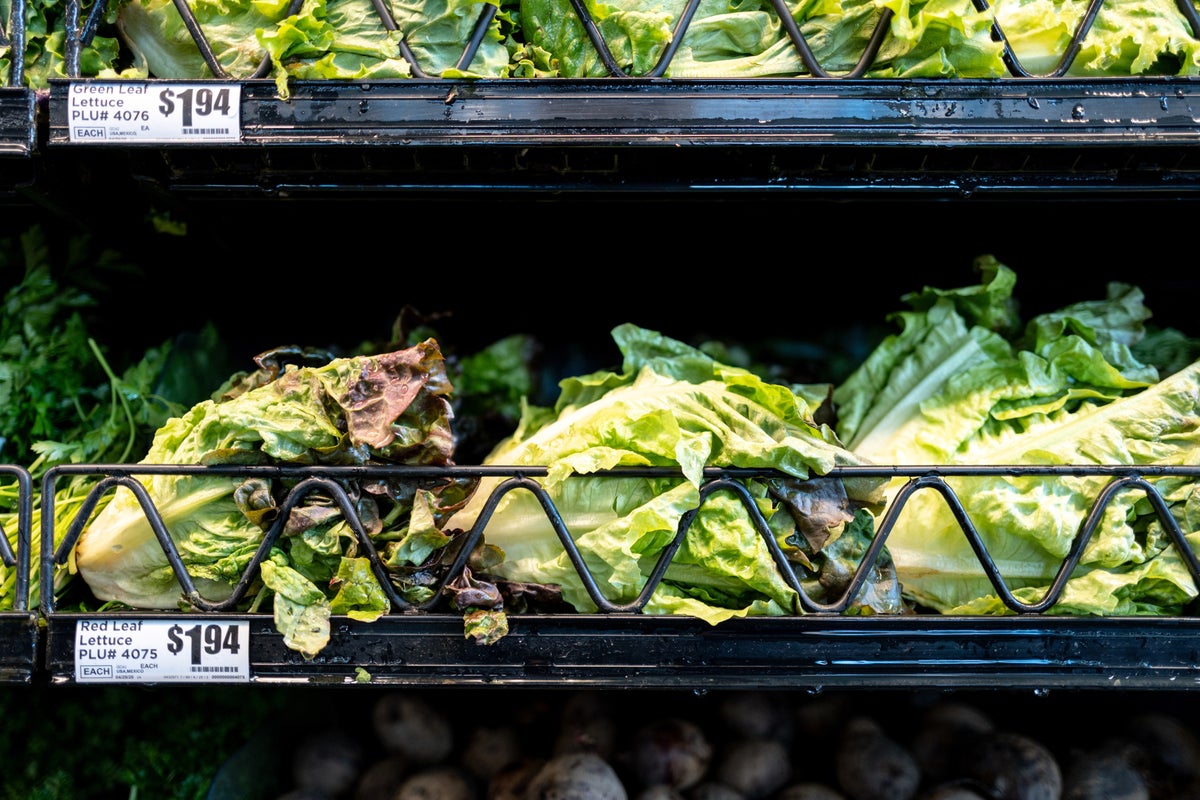
The more a piece of produce is handled, chopped, and mixed, the higher the risk of cross-contamination. A single contaminated bunch of cilantro processed in a central facility can taint thousands of bags of pre-mixed salad. Buy the whole head of lettuce. Buy the untrimmed herbs. Do the knife work in your own clean kitchen.
Pivot Internationally, Not Categorically
Outbreaks are almost always tied to specific geographic clusters or specific import pipelines during shoulder seasons. If the CDC traces an outbreak to a particular region or country, do not stop eating berries. Just read the country-of-origin label. Switch to domestic greenhouses or local indoor hydroponic operations for the duration of the alert. Hydroponic farming utilizes controlled water systems, virtually eliminating the risk of animal run-off contamination.
Optimize Your Gastric Acid Barrier
Your body possesses a built-in defense mechanism designed to destroy ingested parasites: stomach acid. The widespread use of proton pump inhibitors (PPIs) and antacids neutralizes this natural barrier, making you significantly more susceptible to low-dose parasitic infections. If you are regularly taking acid reducers, your threshold for infection drops drastically. Focus on supporting your natural digestion rather than obsessively bleaching your kitchen counters.
The Cost of Compliance
Every choice has an opportunity cost. The hidden downside to this contrarian approach is obvious: if you keep eating fresh produce during an active supply-chain disruption, your statistical probability of contracting an infection is higher than someone living exclusively on canned soup and crackers.
But hiding in a bunker is no way to live, and it is certainly no way to maintain a functional microbiome.
The next time the news anchor tells you to clear out your crisper drawer because of a Cyclospora spike, ignore the panic. Look at the data. Trace the source. Keep eating your greens. Your immune system, your cardiovascular health, and your longevity will thank you for taking the calculated risk.
Stop letting headlines dictate your nutrition. Wash your hands, buy whole foods, and keep eating.


