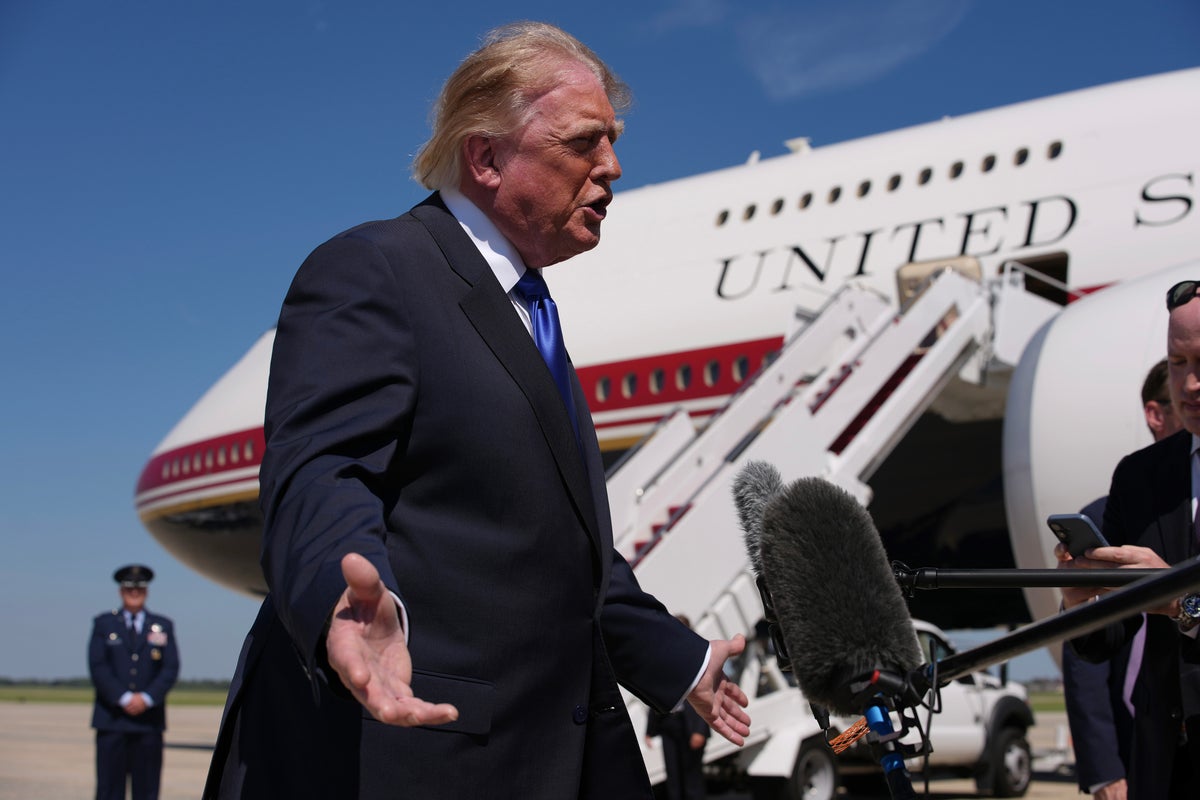
Donald Trump’s return to Dallas for the Republican midterm convention highlights a political reality that mainstream analysts have spent a decade misdiagnosing: the mass rally is not a breakdown of traditional campaigning, but its ultimate evolution. Dismissing these theatrical productions as mere sideshows misses how deeply transactional the relationship is between the speaker and the room. While conventional consultants mourn the absence of granular white papers, tens of thousands of attendees pack arenas to experience politics as a shared cultural validation.
The architecture of these events owes less to political science and more to the traditions of early American showmanship, a lineage critics love to invoke pejoratively. Yet, reducing the phenomenon to a simple circus act ignores its functional utility for a base that feels systematically ignored by institutional power. When Trump steps onto a Dallas stage, he is not offering a legislative brief. He is performing a communal grievance ritual.
Look closely at the mechanics of the room. The music is curated for maximum emotional resonance, the pacing mirrors a headline arena concert, and the unscripted asides serve as safety valves for popular frustration. Traditional political events demand polite applause and passive listening. These gatherings require active participation, turning attendees from voters into co-conspirators against an establishment they distrust.
Critics often point to the fluidity of facts during these speeches as a fatal flaw. They miss the point. The audience is not evaluating the literal truth of a statistic about manufacturing jobs or border enforcement; they are evaluating emotional authenticity. When an institutional politician speaks in cautious, focus-grouped equivocations, the base hears an evasive manager protecting a broken system. When Trump speaks in hyperbole, they hear someone willing to shatter it.
This dynamic has only sharpened as the political calendar grinds toward the midterms. Facing structural headwinds, including voter anxiety over cost-of-living pressures and economic friction, the administration relies on these arenas to realign the narrative. Policy arguments get bogged down in congressional gridlock and budgetary math. Spectacle transcends math. An arena filled to capacity provides an immediate, undeniable visual counter-argument to bad polling numbers.
The political opposition continues to make the mistake of treating these rallies as anomalies to be corrected rather than symptoms of a permanent structural shift. Every attempt to fact-check the performance into oblivion only reinforces the populist framing that media institutions are hostile actors trying to police ordinary speech.
Until mainstream political strategy accounts for the emotional hunger that drives people to spend hours waiting in security lines for a three-hour speech, the carnival will remain the most potent tool in modern American politics. The ringmaster understands his audience because he validated their alienation long before he asked for their vote. The lights go down, the bass hits, and the machinery of modern democracy hums to a completely different rhythm.