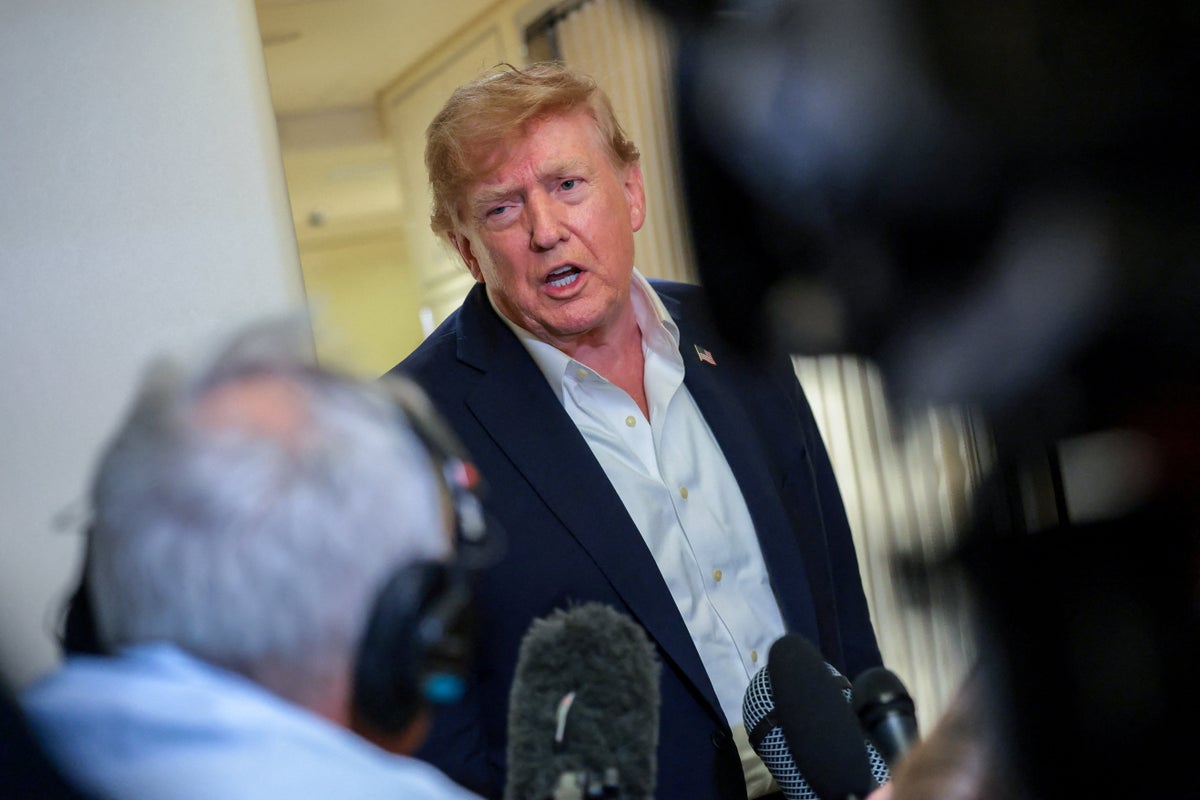
Washington is doubling down on a high-stakes gamble. President Donald Trump recently asserted that the United States could occupy and retain control over Iran's vast energy infrastructure, drawing a direct parallel to operations in South America. This declaration arrives precisely as diplomatic negotiations over the Strait of Hormuz collapse into open military friction, leaving international energy markets bracing for unprecedented disruption.
The comparison to Venezuela is seductive on a campaign podium. It ignores every harsh geographical, military, and economic reality of the Persian Gulf.
The Geography of the Gulf Trap
Oil does not flow from simple valves in quiet fields. Iran's primary export architecture centers heavily on Kharg Island, an offshore terminal handling the vast majority of the nation's crude shipments. Securing Kharg Island requires vastly more than a temporary naval blockade. It demands a permanent, heavily fortified garrison ringed by air defense batteries, mine-sweeping flotillas, and continuous infantry support under constant threat of asymmetric retaliation.
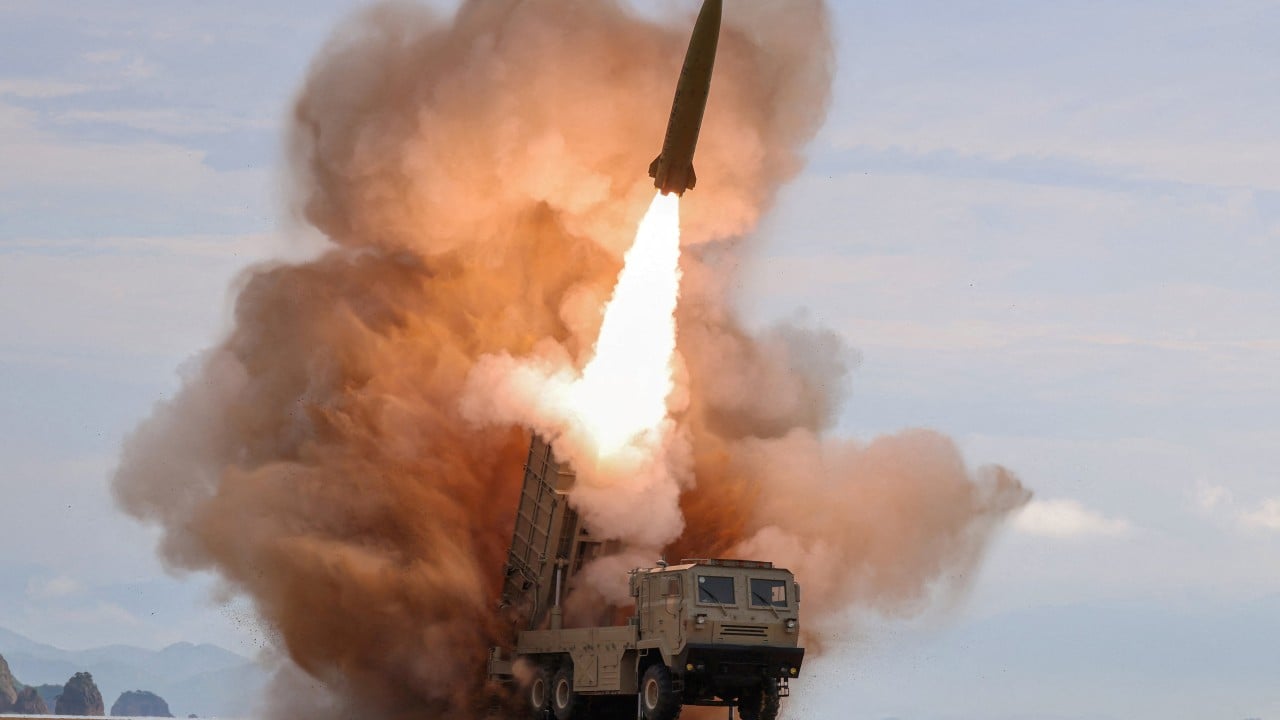
Venezuela possessed a fractured state apparatus and an isolated geographic position exposed to direct maritime projection from the Caribbean. Iran sits at the throat of Eurasia. Tehran's military doctrine relies entirely on anti-ship missiles, fast attack craft, and deep underground ballistic missile caches designed to turn the Persian Gulf into a lethal shooting gallery for any occupying force.
Short sentences matter here. The math does not work.
Trying to hold Iranian oil fields hostage invites a war of attrition that Washington has systematically avoided for decades. When White House officials suggest that military revenues will pay for the campaign, they miscalculate the cost of defending stationary extraction assets against a nation that has spent forty years preparing for total asymmetric defense.
The Broken Logic of the Venezuela Play
The Trump administration insists that the South American model proved successful. Revenue streams from Caracas are touted as proof that foreign energy assets can be brought to heel. Yet Venezuela's heavy crude sector was already degraded by decades of domestic mismanagement, state neglect, and severe sanctions, making it vulnerable to external management.
Iran represents an entirely different category of resistance. Its refineries, pipelines, and export terminals are embedded within a militarized command structure overseen by the Islamic Revolutionary Guard Corps. Dislodging that institutional control requires sustained ground operations, not a series of targeted airstrikes followed by corporate takeovers.
Refineries burn. Pipelines rupture. Wells are systematically sabotaged when foreign boots touch sovereign soil.
The idea that foreign engineers can simply step into Kharg Island and resume smooth commercial production ignores the immediate reality of scorched-earth engineering. Iranian commanders have made it abundantly clear that if their energy sector cannot export to the world, no one else will pump a single barrel from those fields either.
The Strait of Hormuz Chokepoint
Talks have stalled because neither side can agree on the fundamental sovereignty of the maritime corridor. Tehran claims complete administrative jurisdiction over the Strait of Hormuz, through which a significant fraction of global petroleum historically transited. Washington refuses to cede control of international sea lanes, backing its position with heavy carrier strike groups and active convoy escorts.
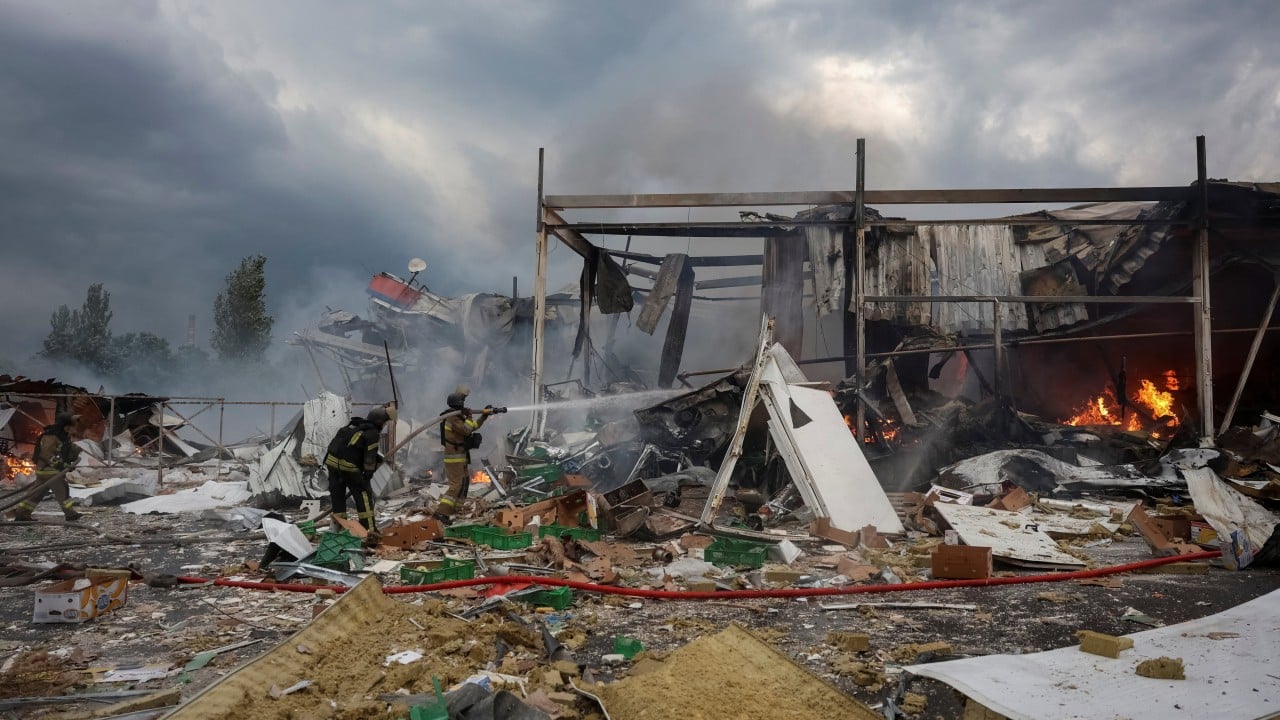
Mines drift in the dark water. Tankers burn within sight of Omani and Iranian shores. Insurance rates for commercial shipping through the Gulf have skyrocketed beyond commercial viability, forcing shipping syndicates to reroute or halt operations entirely.
Every day the stalemate persists, the global economy pays an invisible tax.
Energy traders understand the stakes. When the Strait of Hormuz effectively closes to commercial traffic, spare production capacity in Saudi Arabia and the United Arab Emirates cannot fully compensate for the loss of Iranian volume combined with regional transport paralysis. Prices surge at the pump. Inflationary pressures ripple outward into manufacturing, agriculture, and logistics across North America and Europe.
The Strategic Miscalculation of Permanent Occupation
Proponents of an extended footprint argue that denying Tehran its oil revenue cripples its nuclear program and proxy networks. History offers a different verdict. Long-term military occupations in hostile Middle Eastern environments drain national treasuries while hardening local populations against diplomatic compromise.
An open-ended military commitment in Iran would lock American armed forces into a permanent counter-insurgency posture across multiple hostile fronts. The defense budget would absorb billions in emergency supplemental funding to maintain air superiority and naval escorts in a confined, hostile body of water.
Domestic political support for foreign entanglements remains exceptionally fragile. Voters who cheered short-term strikes lose patience quickly when fuel prices double and body bags return home from an undeclared resource war.
Washington is confusing short-term tactical dominance with long-term strategic stability. Dropping multi-million-dollar ordnance on coastal radar installations does not translate into administrative control over subterranean energy grids.
The Economic Fallout at Home
The administration points to incoming revenues from foreign operations to justify the expense. Economists specializing in energy markets point out a glaring discrepancy. Crude is a globally priced commodity traded on open exchanges. Disruption in the Persian Gulf spikes the global marker price instantly, meaning American motorists pay more at local service stations regardless of who happens to occupy an export terminal six thousand miles away.
Subsidy programs and tax rebates cannot insulate domestic consumers from a permanent supply shock. When refining capacity is threatened and tankers sit idle behind naval escorts, industrial input costs rise across every sector.
The middle class absorbs the blow.
Manufacturing sectors reliant on petrochemical derivatives face sudden margin compression. Supply chains stretching from Asian production hubs to Western retail shelves experience severe gridlock as freight carriers avoid hazardous maritime zones.
The Diplomatic Dead End
Diplomacy requires a shared baseline of reality. Tehran believes it can withstand the economic pressure through alternative overland smuggling routes and strategic partnerships with eastern powers. Washington believes military coercion will eventually force unconditional surrender at the negotiating table.
Both assumptions are fundamentally flawed.
When talks break down completely, military escalation becomes the path of least resistance. Yet every escalation narrows the window for a negotiated settlement, pushing the region closer to an irreversible conflagration.
Watch the analysis on the Strait of Hormuz developments. This video provides crucial context regarding the breakdown of diplomatic channels and ongoing tanker attacks in the region.
The rhetoric of keeping the oil sounds decisive in a briefing room. On the ground in the scorching heat of the Gulf, it is a recipe for a permanent quagmire with no clean exit strategy.
The tankers burn in the strait. The price boards tick upward. The administration marches deeper into a trap of its own making.