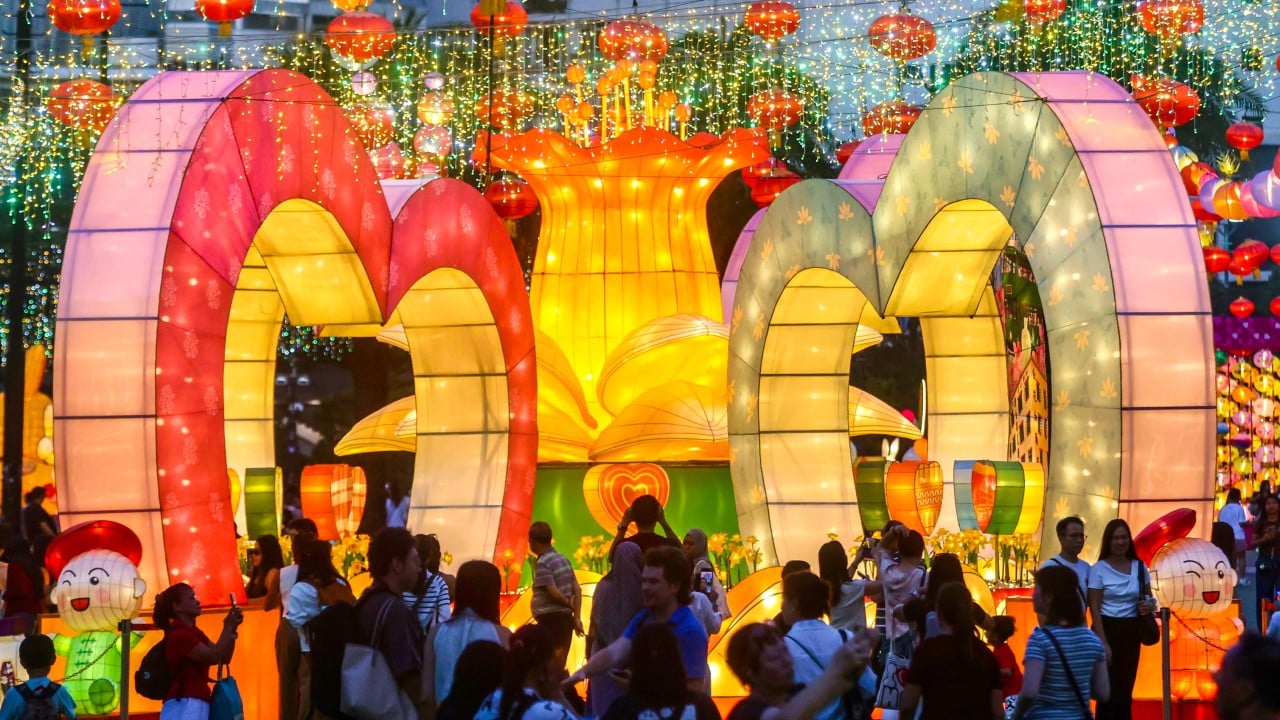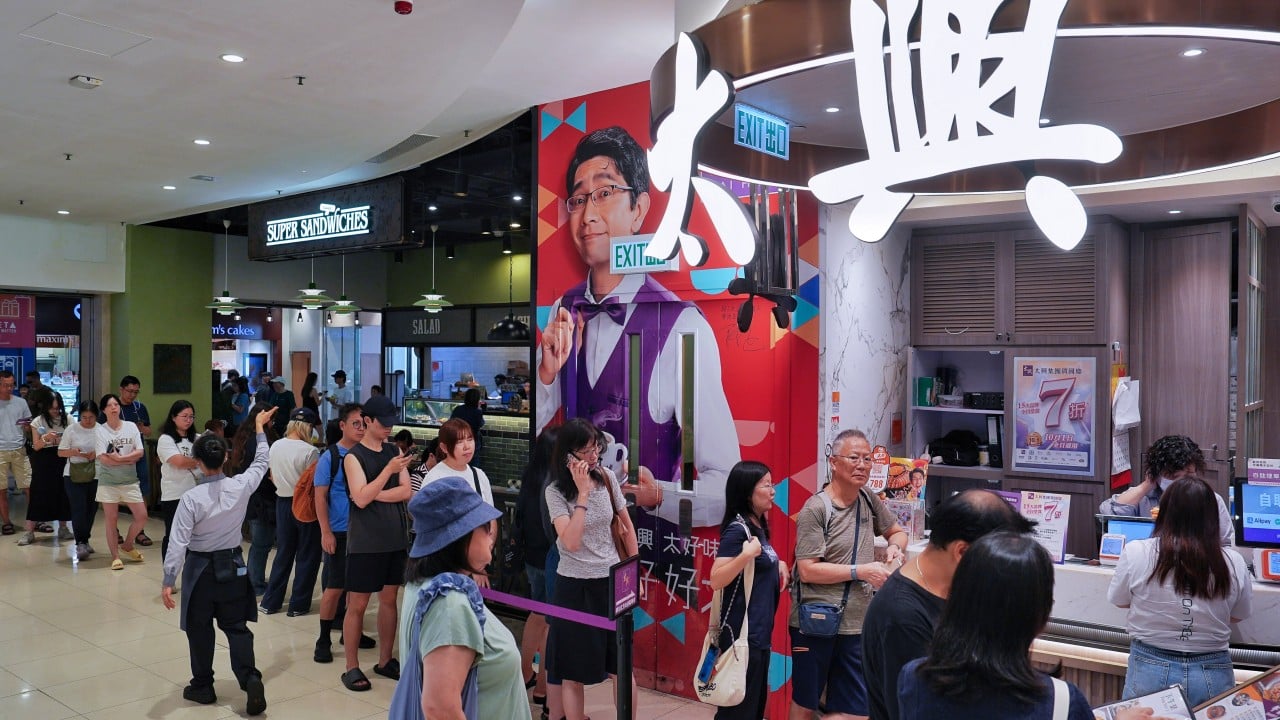
The air in Sheung Wan tastes of diesel, roasted goose fat, and the salt-heavy moisture that rolls off Victoria Harbour every autumn afternoon. It is an exhausting air. A pressurized air. In a city where square footage is measured in fractions of a heartbeat and the cost of living feels like an invisible hand permanently pressed against your collarbone, joy is rarely free. It is budgeted. It is scheduled between overtime shifts and Sunday grocery runs.
Then comes October first.
Wai-ling stands outside an aging cinema in Mong Kok, her fingers tracing the edge of a paper ticket. Fifty percent off. The number looks wrong against the glowing marquee, a typographical error in a world where everything always climbs in price. Behind her, a line of teenagers argues over popcorn flavors, their laughter bouncing off the glass doors. Down the street, the iconic green-and-white double-decker trams glide past, carrying passengers for a fraction of their usual fare, while museum turnstiles click open to galleries that usually demand a carefully weighed admission fee.
Across town, a traveler named Mateo steps off the Star Ferry with his backpack slung over one shoulder, blinking in disbelief at the sudden, roaring vitality of the crowd. He had expected a quiet holiday, perhaps a shuttered city observing a political milestone with polite detachment. Instead, he has walked straight into an electric carnival of belonging.
Hong Kong’s National Day perks do not merely alter prices. They alter the emotional weather of twenty-four million footsteps.
The Arithmetic of Relief
To understand why a discounted tram ride or half-price movie ticket causes a seismic shift in public mood, you have to understand the unique friction of urban survival. Hong Kong runs on a fiercely accelerated clock. Every minute has an economic weight. When the government and local businesses orchestrate a synchronized cascade of holiday concessions—slashing museum admissions, discounting thousands of eateries, and making select transit lines cheaper or entirely free—they are offering something far more valuable than spare change.
They are offering permission to pause.
Consider the mathematics of daily exhaustion. For a family living in a cramped high-rise apartment where privacy is a luxury item, a trip to the Science Museum or the M+ gallery is usually weighed against grocery budgets and utility bills. When those financial barriers vanish for a single twenty-four-hour window, the cultural spaces transform. They stop being sterile tourist showcases and morph into living rooms for the locals. Grandparents hold the hands of toddlers staring at modern art installations. Office workers who spend their weeks chained to spreadsheets sit in darkened theater auditoriums at two in the afternoon, laughing out loud at local comedies.
It is a rare psychological truce. The high-stakes game of keeping up with the city’s relentless financial pace pauses, if only for a day, and the streets belong to the people who built them.
The Accidental Spectator
Mateo didn't read the local papers before he landed. He knew October first was National Day, but in his mind, civic holidays in global metropolises usually meant closed shops, empty streets, and the lonely wanderings of a confused foreigner trying to find an open café.
Instead, he found himself swept up in a human tide at the Avenue of Stars.
Tourists are rarely invited into the inner monologue of a city. They watch from behind glass, photographing monuments while remaining entirely detached from the daily pulse. But on this particular Tuesday, the massive influx of local families out enjoying the discounted perks pulled Mateo into an unfiltered local rhythm. He watched elderly couples share pineapple buns purchased at slashed holiday prices. He heard students debate the merits of a half-price ticket to an indie screening.
The surprise on the faces of visitors is telling. They arrive expecting a postcard and find a living, breathing community discovering its own backyard anew. When public perks lower the threshold of entry to the city's best experiences, the invisible wall between tourist and resident dissolves. Mateo didn't just see the skyline; he felt the collective exhale of a population that decided to claim its public spaces back from the ledger books.
Beneath the Surface of Celebration
Critics are quick to point out the mechanics behind the generosity. These perks are calculated gestures. They stimulate retail spending, prop up the hospitality sector during sluggish mid-autumn weeks, and inject a much-needed shot of adrenaline into local consumption. Economics does not take a holiday, even when the citizens do.
Yet, looking only at the balance sheet misses the human core of the phenomenon.
When a society’s baseline cost of living is exceptionally high, any coordinated relief—no matter how temporary—acts as a pressure valve. It acknowledges the weight of daily life. It tells the worker slogging through a sixty-hour week that the city sees them, that the harbor views and cultural treasures are not reserved exclusively for the wealthy or the foreign visitor with a strong currency exchange rate.
The streets remember this. Long after the discounted tickets are torn and the special exhibition crowds disperse, the memory of an accessible city lingers in the muscle memory of its residents. For one day, the city stops feeling like a machine designed to extract labor and starts feeling like a home designed to be lived in.
The sun dips below the skyline, painting Victoria Harbour in strokes of bruised purple and burning gold. The neon signs stutter to life, casting long, fractured reflections across the dark water. Wai-ling boards the tram home, the rhythmic sway of the carriage rocking her tired shoulders. The ticket in her pocket cost half what it did yesterday, but the real currency traded today was something far rarer. It was the quiet, radical realization that the city belongs to everyone breathing its salty air.