The air on a volcanic ridge does not smell like a postcard. It smells like a struck match. It tastes like copper, sharp and heavy on the back of the tongue, a subtle warning that the earth beneath your sneakers is not entirely asleep.
Most people climb mountains to find peace. They want the view, the selfie, the quiet triumph of standing above the clouds. They forget that some mountains are alive. They forget that a volcano is not just a geological feature, but a pressure cooker with a planetary fuse.
Picture a Tuesday afternoon. The sun is high, baking the dark basalt rock of a Mediterranean island. A group of travelers stands near the crater rim. They are wearing shorts, light windbreakers, and cameras strapped to their wrists. They are laughing. A tour guide is explaining the history of the last major event, drawing lines in the dirt with a walking stick to show where the old lava flows once ran. To the tourists, that history feels ancient, locked away in text books and black-and-white photographs.
Then, the ground shudders.
It is not a violent jolt at first. It is a low, bass frequency that vibrates through the soles of their shoes before it registers in their ears. The laughter stops. The silence that follows is absolute, the kind of stillness that occurs right before a lightning strike.
Seconds later, the mountain exhales.
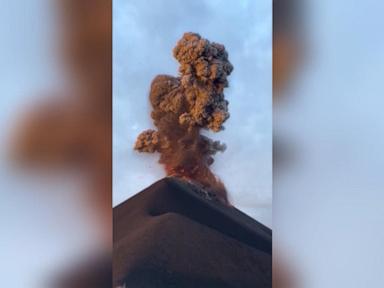
A deafening roar tears through the sky, a sound so massive it feels structural, as if the atmosphere itself is cracking open. The crater vents explode. A towering column of black ash and superheated gas shoots thousands of feet into the air, blotting out the afternoon sun in a fraction of a second. The day vanishes. In its place is a terrifying, synthetic twilight, lit only by the angry orange glow reflecting off the underbelly of the rising smoke cloud.
Panic is a physical weight. It starts in the chest and radiates outward, freezing the joints. For the people on that ridge, the transformation from a leisure vacation to a primal race for survival happens between two heartbeats.
They run.
But running on volcanic scree is like sprinting through loose marbles. Every forward stride slides half a step back. Rocks, ejected from the vent like artillery shells, begin to rain down around them. These are not cold stones; they are molten bombs, glowing dull red through the falling dust, hissing as they strike the earth. The air temperature spikes instantly, thick with sulfur dioxide that burns the throat and blinds the eyes.
Consider the reality of that flight. There are no paved evacuation routes on the upper slopes of an active cone. There are only narrow, steep tracks winding through jagged rock. Flip-flops break. Straps snap. People trip, their hands scraping against stone that feels like coarse sandpaper.
A young couple from northern Europe loses their grip on each other in the confusion. The cloud of ash drops like a heavy curtain, reducing visibility to mere inches. The sound of shouting is swallowed entirely by the continuous, rhythmic thumping of the eruption. To lose sight of your partner in that darkness is to feel a cold, hollow terror that no survival manual can prepare you for. They find each other again only by the orange glare of a phone flashlight, their faces already masked in gray soot.
The human instinct during a disaster is to document it, a strange modern reflex that drives people to hold up their screens even as their lives hang in the balance. Some of the footage captured during these sudden phreatic eruptions shows the raw, unfiltered chaos of the moment. The camera shakes violently. The audio is a chaotic mix of heavy breathing, sobbing, and the relentless, terrifying thunder of the earth. You see glimpses of people stumbling through the gloom, their bright holiday clothing covered in a uniform layer of ash, turning them into ghostly figures fleeing an apocalypse.
But the real problem lies elsewhere, far below the immediate danger zone of falling rocks.
The true peril of a sudden eruption is the pyroclastic density current. This is a technical term for something deeply horrific: a fast-moving avalanche of superheated gas, ash, and rock fragments that rushes down the side of a volcano at speeds exceeding one hundred miles per hour. It destroys everything in its path. It cannot be outrun. If the venting column collapses, anyone on the flanks of the mountain faces near-instantaneous catastrophe.
The tourists on the ridge do not know the science of column collapse. They only know that the sky is falling and the ground is hot.
They reach the lower trails where the tour buses are parked. The drivers, seasoned locals who understand the moods of the mountain far better than any visitor, already have the engines roaring. Doors are thrown open. People tumble inside, gasping for oxygen, their skin streaked with sweat and black dust. The buses tear down the switchback roads, tires screeching around corners, leaving the growing plume of destruction behind them.
When the vehicles finally reach the coastal port, the contrast is jarring. The sea is blue. The town is intact. Yet, looking back up at the peak, the mountain is unrecognizable, cloaked in a dark, boiling shroud that continues to billow into the stratosphere.
We treat the earth as a static backdrop for our lives. We build hotels on its ridges, take cruises along its volcanic fault lines, and hike its active vents for recreation. We project our own sense of stability onto a planet that is constantly shifting, melting, and reforming beneath our feet.
The survivors of that afternoon sit on the concrete pier, wrapped in emergency blankets provided by local authorities. They are safe, but they are changed. They stare back up at the summit, watching the lightning crackle within the ash cloud—a phenomenon caused by the intense friction of billions of rock particles rubbing together in the heat.
The mountain continues to breathe, heavy and loud, a stark reminder that our presence on its slopes is entirely at the mercy of the fires within.