Violence in the occupied West Bank has reached a brutal new threshold. Four Palestinian cousins—identified as Farouk, Ibrahim, Jawad, and Imran Ramadan—were recently killed during a chaotic confrontation in the village of Tell, near Nablus. Two Israelis, including an artillery battery commander and a local security guard, died in the same flare-up.
If you're trying to make sense of why this specific incident matters so much, you have to look past the initial headlines. This wasn't just another routine skirmish. It marks the deadliest single clash in the West Bank this year, instantly triggering widespread military lockdowns, intensive reprisal attacks by settlers, and plans for an extensive military operation.
How the Violence in Tell Unfolded
The sequence of events on the ground remains fiercely contested, yet video footage and local accounts paint a grim picture. Around twenty Israeli settlers entered the northern Palestinian village of Tell. The Israeli military later stated that these individuals were taking an unauthorized and uncoordinated hike.
Local residents saw it differently. Walid Zidan, the head of the Tell village council, noted that villagers came out to protect their homes as settlers moved through the area. Video evidence shows an armed settler pushing local men back with his rifle. A physical scuffle broke out instantly over the weapon.
Amid the struggle, shots were fired. The exact timeline of who pulled the trigger first remains cloudy, but the human cost was immediate. Four Palestinian cousins from the Ramadan family lost their lives to gunfire attributed to Israeli forces and security elements. Maj Yuval Ezra, an Israeli battery commander, and Benayahu Mellet, a civil security guard from the nearby settlement of Havat Gilad, were also killed.
The Immediate Fallout and Settler Rampages
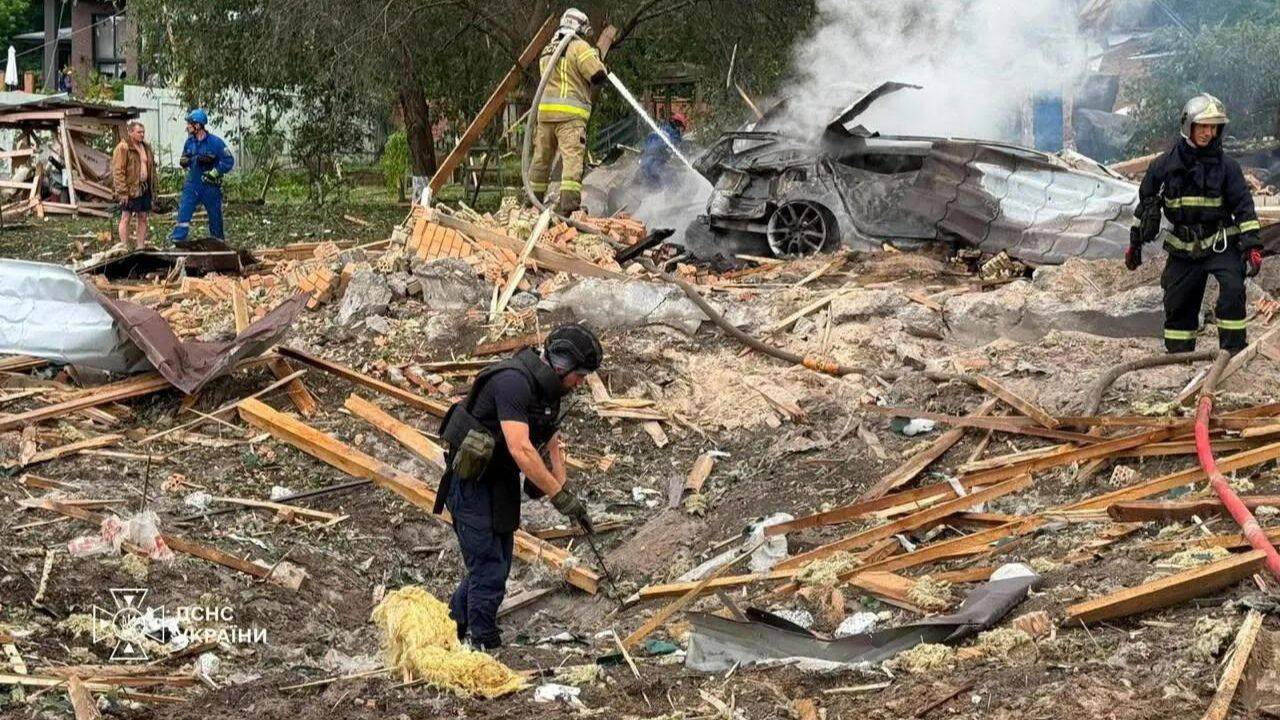
Funerals and mourning rituals are rarely peaceful in the current climate, but the aftermath of the Tell shooting spiraled rapidly across the entire northern territory. As families buried their dead, armed settlers launched sweeping reprisal raids on neighboring Palestinian towns.
Houses were set on fire. Local villagers faced direct assaults. At least eight more Palestinians were hospitalized with serious gunshot wounds during these subsequent rampages.
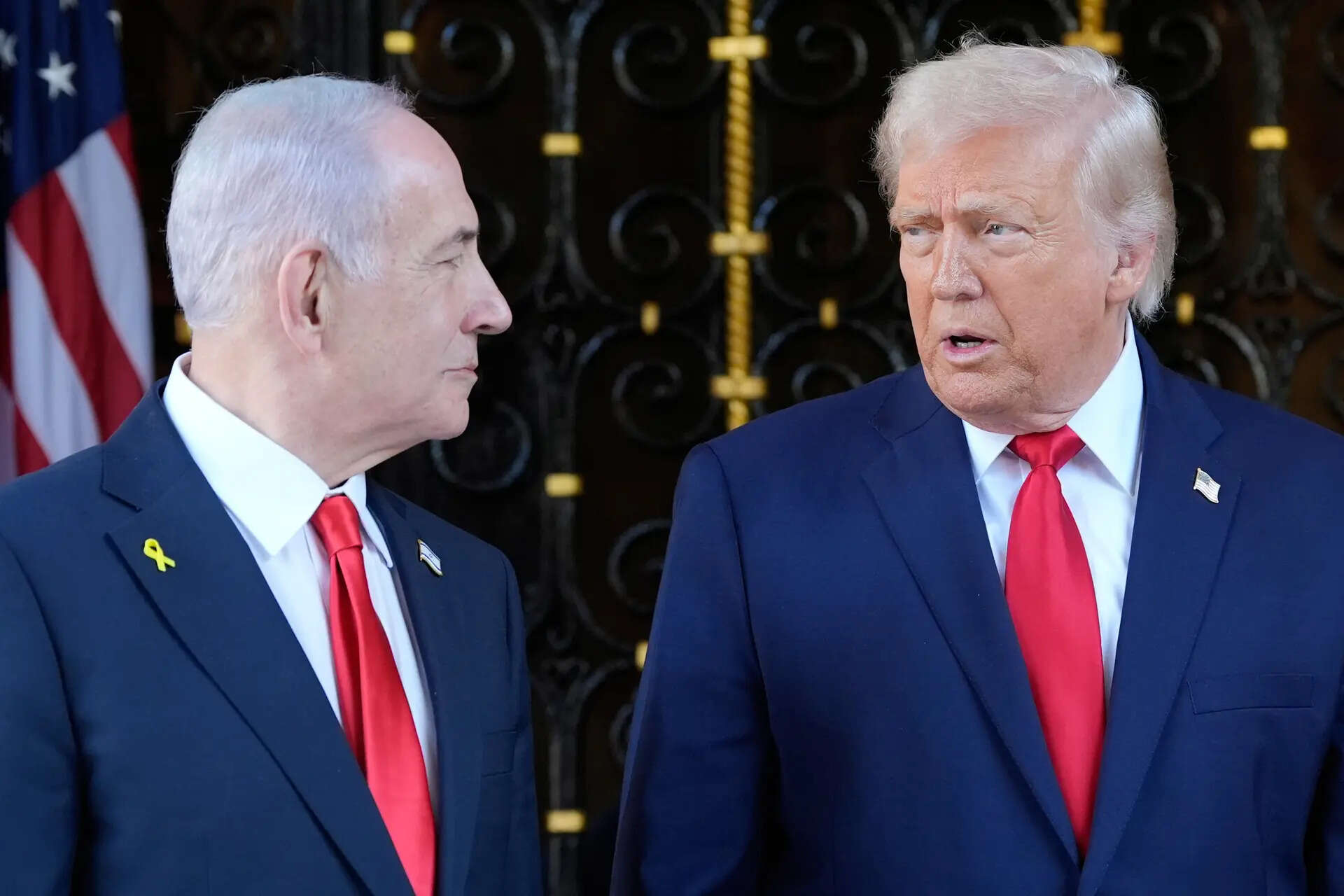
Instead of calming the situation, state responses signaled an even larger escalation. Prime Minister Benjamin Netanyahu and Defense Minister Israel Katz called for deploying additional troops, revoking work permits for residents of Tell, and demolishing the homes of those accused. Far-right Finance Minister Bezalel Smotrich went further, publicly demanding that villages like Tell be cleared out entirely, comparing the desired measures to the heavy destruction seen in refugee camps last year.
What Comes Next for the Region
Human rights organizations are sounding alarms that the region is hurtling toward total collapse. Yuli Novak, executive director of the human rights group B'Tselem, pointed out that millions of Palestinians are now completely exposed to unchecked violence fueled by political calls for revenge.
The Israeli military has ringed Nablus with troops, conducting raids and arresting wounded individuals directly from hospital beds. With an extensive counterterrorism sweep officially underway, the risk of retaliatory cycles spinning completely out of control has never been higher.
If you are tracking developments in the region, keep a close eye on troop movements around Nablus and official statements from humanitarian monitors on the ground. The situation changes by the hour.