You probably don't associate dengue fever with domestic American backyards. Most people think of it as a tropical souvenir picked up while backpacking through Southeast Asia or visiting the Caribbean. But that mental map is outdated. Local transmission of the virus is happening right inside the continental United States.
It’s easy to write off mosquito bites as a mere summer annoyance. They itch, they swell, and then they disappear. When it comes to dengue, though, the stakes are entirely different. Health agencies are tracking local spread in states where it used to be unheard of, and if you live in certain hotspots, you need to understand how the risk is shifting.
The Reality of Local Dengue Transmission in the US
Let's clear up a common misconception right away. When health officials talk about dengue cases in the US, they usually split them into two categories: travel-associated and locally acquired.
Travel-associated cases make up the vast majority. Someone takes a trip to a country where dengue is endemic, gets bitten by an infected mosquito, and brings the virus home while they're sick. For decades, that was the end of the story. The virus stayed inside that individual tourist.
The alarming change is local transmission. This happens when a local mosquito bites an infected traveler who just returned home, catches the virus itself, and then bites another local resident. Suddenly, a disease that requires a passport to catch is spreading down the street from your house.
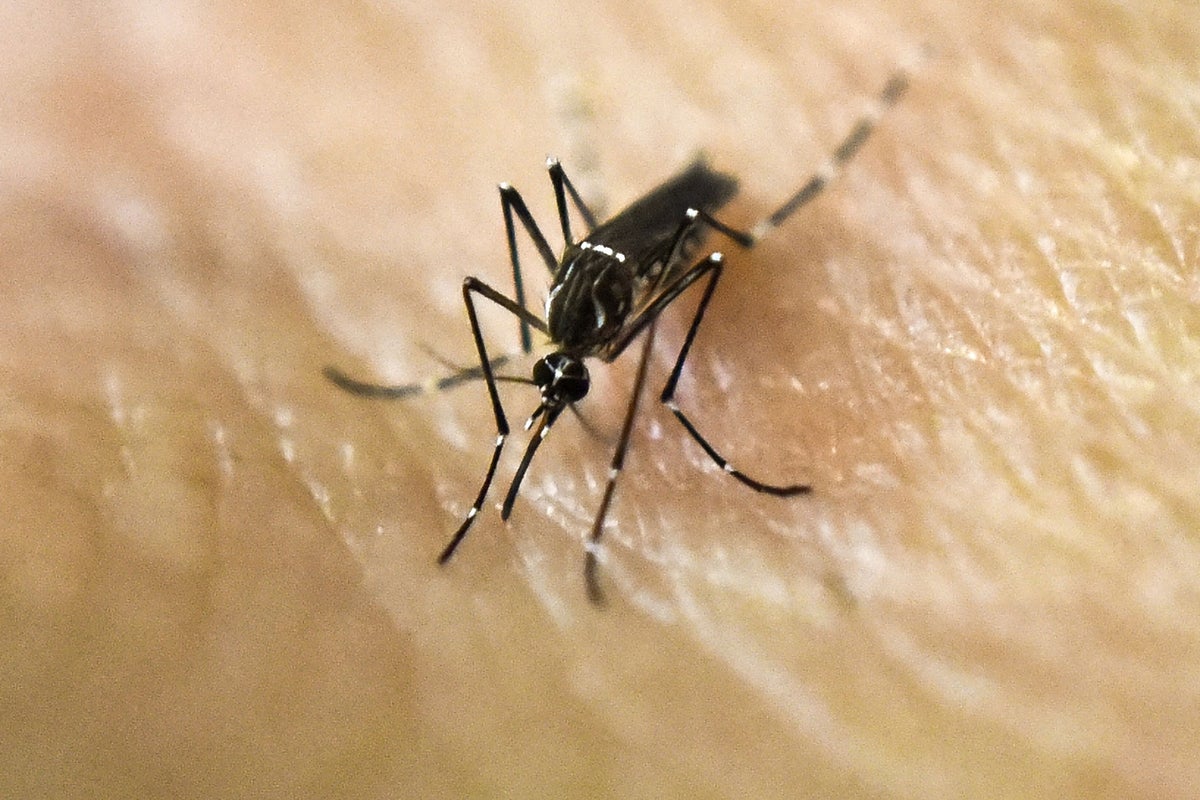
The primary culprits are Aedes aegypti and Aedes albopictus mosquitoes. These aren't your average swamp-dwelling mosquitoes. They love urban and suburban environments. They thrive right next to human habitation, bite aggressively during the day rather than at dusk or dawn, and can breed in something as small as a discarded bottle cap holding rainwater.
States Where You Need to Be Vigilant
Geography dictates risk. You aren't equally likely to encounter a locally transmitted case of dengue no matter where you live in the country. The vectors need warmth, humidity, and standing water to maintain populations.
Florida has historically led the continental US in local transmission numbers. Counties like Miami-Dade, Broward, Palm Beach, and Hillsborough frequently report locally acquired cases. The sub-tropical climate makes it an ideal habitat for Aedes mosquitoes year-round.
Texas is another major state on the watchlist. Parts of southern Texas share a climate profile with neighboring regions prone to high mosquito activity, making local flare-ups an ongoing concern for public health departments.
Beyond the usual suspects in the Southeast and Gulf Coast, the geography is expanding. Hawaii has experienced local outbreaks, which makes sense given its climate and heavy international travel volume. More surprisingly, states in the American Southwest and West Coast have documented local transmission in recent years. Arizona reported cases, and California has tracked local spread in areas where warming temperatures allow invasive mosquito species to establish permanent footholds.
If you live in these states, routine mosquito protection is no longer optional. It's a baseline health necessity.
Recognizing the Symptoms Before It Escalates
Dengue isn't nicknamed "breakbone fever" for nothing. When symptoms hit, they hit hard.
Many people infected with the virus won't feel sick at all, or they'll experience mild, flu-like symptoms that clear up on their own. But for those who do get sick, the onset is brutal. It usually starts four to ten days after an infected bite.
Watch out for these warning signs:
- A sudden, soaring high fever, often reaching 104 degrees.
- Severe headaches centered behind the eyes.
- Intense joint, muscle, and bone pain—the kind that makes you feel like your body is breaking.
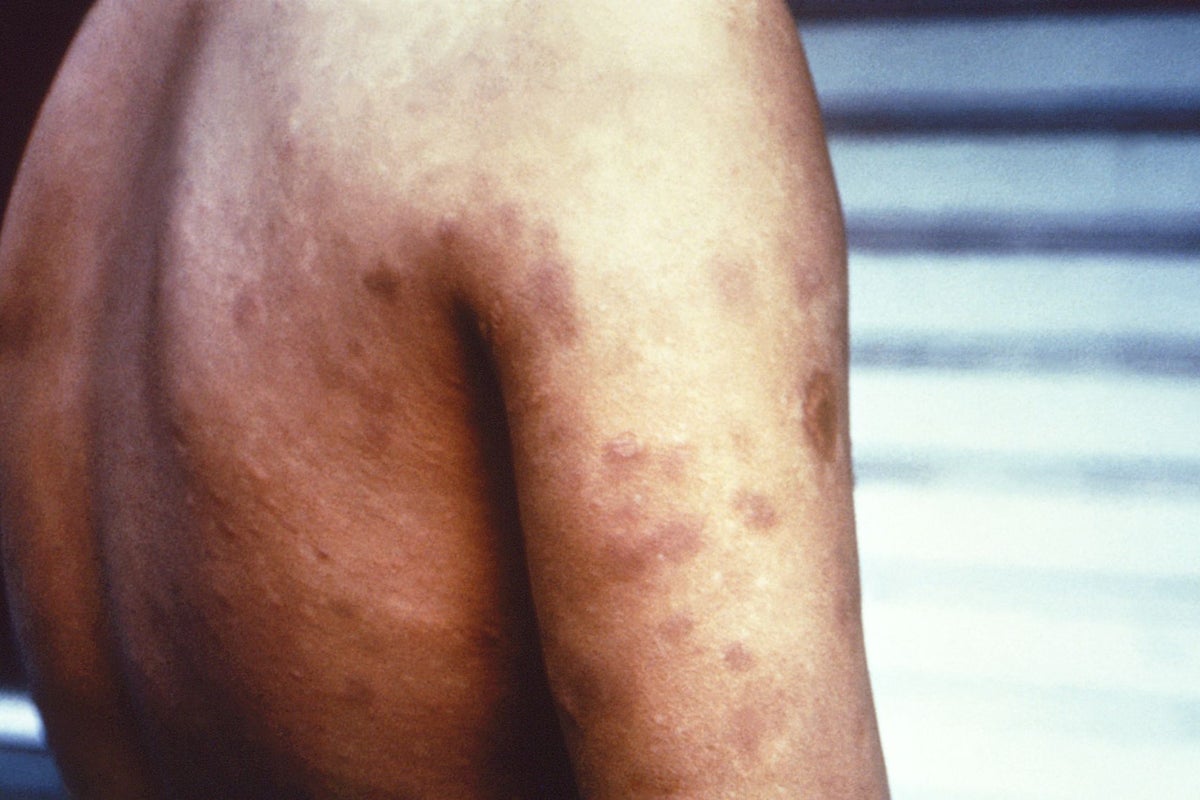
- A distinct skin rash that appears a few days after the fever starts.
- Mild bleeding, such as a nosebleed, bleeding gums, or easy bruising.
If you develop these symptoms and you haven't traveled internationally, don't assume it's just a weird summer cold. Mention your local area and potential mosquito exposure to your healthcare provider immediately. Severe dengue can develop rapidly, turning into a medical emergency characterized by internal bleeding, plummeting blood pressure, and organ failure.
What You Can Actually Do to Protect Yourself
Public health announcements love to tell people to "eliminate standing water," but what does that look like in practice? It means being ruthless around your property.
Aedes mosquitoes don't need a pond or a marsh. They lay eggs on the inner walls of containers with stagnant water, right above the waterline. Scrubbing out bird baths, flower pot saucers, pet bowls, and clogged gutters once a week disrupts their breeding cycle. If you have a rain barrel, make sure it's tightly sealed with fine mesh screens.
Personal defense comes down to choosing the right chemistry. Natural repellents with essential oils smell nice, but they don't offer reliable protection against mosquitoes carrying vector-borne diseases. Look for EPA-registered active ingredients that have scientific backing:
- DEET (effective in concentrations of 20% to 30%).
- Picaridin.
- Oil of Lemon Eucalyptus (OLE) or PMD.
- IR3535.
Apply repellent properly. If you're also using sunscreen, put the sunscreen on first, let it absorb for twenty minutes, and then layer your mosquito repellent on top. Spraying repellent underneath your clothing won't protect you; Aedes mosquitoes can and will bite right through thin fabrics like yoga pants or linen shirts. Treat outdoor gear and specific clothing items with permethrin for an extra layer of defense that lasts through multiple washes.
Keep your windows shut if you don't have screens, or ensure your screens have zero tears. Turn on the air conditioning if possible; cool indoor temperatures slow down mosquito activity and keep them from biting indoors.
The presence of dengue in US states is a shifting reality driven by climate trends, global travel, and resilient mosquito populations. Staying safe doesn't mean hiding indoors all summer. It means changing your habits, managing your immediate environment, and taking bite prevention seriously before an itchy nuisance turns into a severe medical crisis.