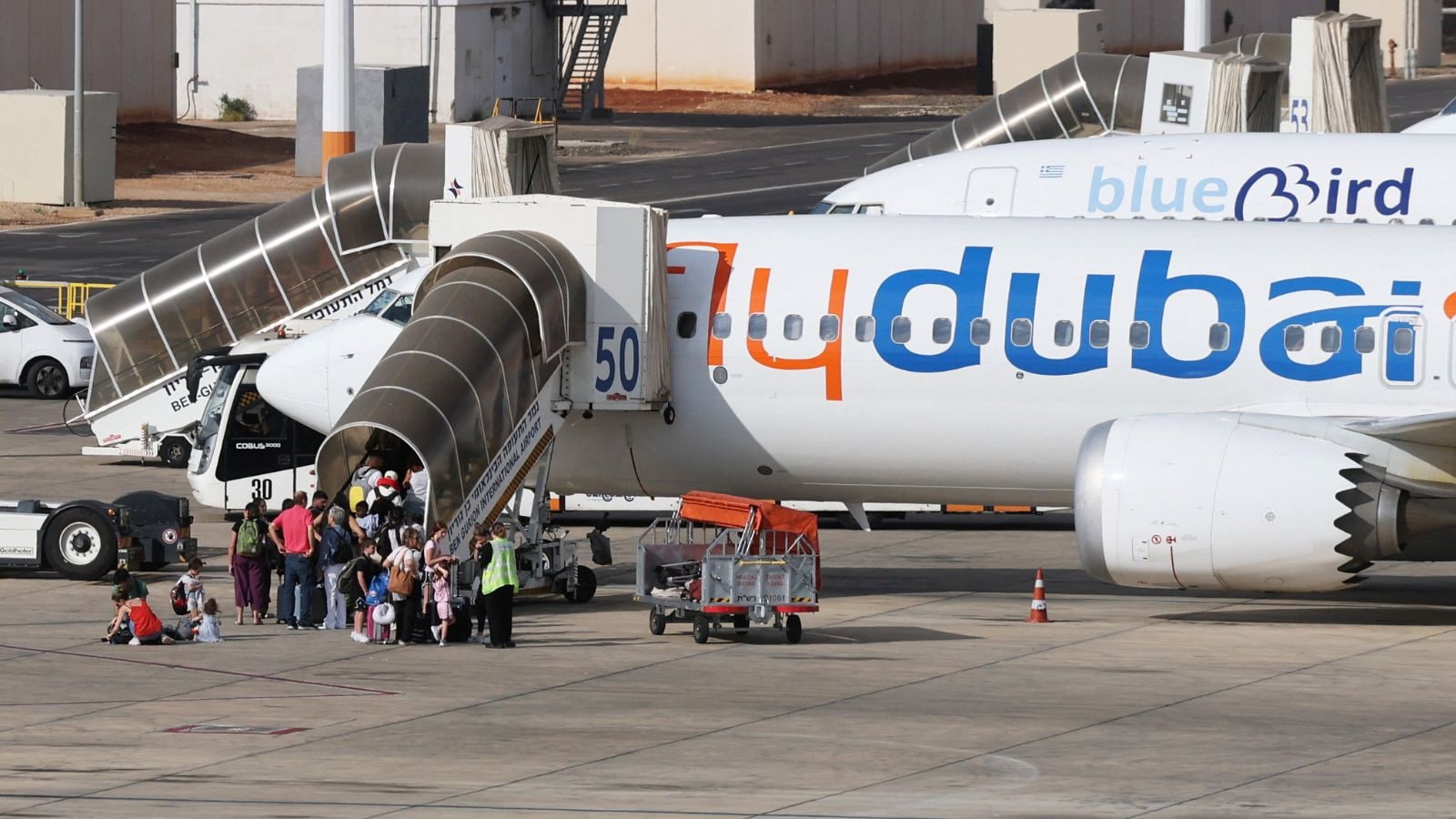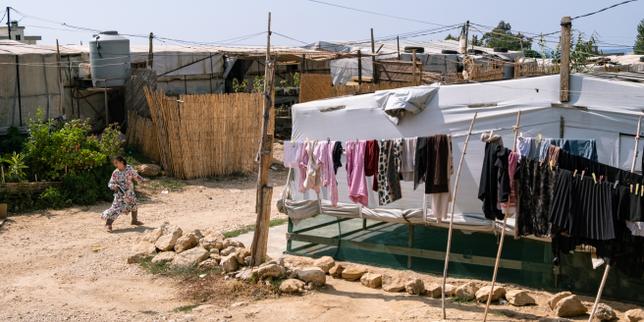
Walk through certain neighborhoods in Beirut or the Beqaa Valley today and the silence feels heavy. Entire apartment blocks once buzzing with life, crowded stairwells, and makeshift storefronts now stand empty. The departure of Syrian refugees from Lebanon isn't just a political talking point. It is a profound economic and social shock that the country is struggling to process.
For over a decade, Syrian refugees formed the backbone of Lebanon’s informal labor force. They harvested the citrus crops, poured concrete on construction sites, swept the streets, and kept local bakeries running. When a massive exodus began—driven by tightening regulations, security crackdowns, and a collapsing domestic economy—politicians cheered. Many Lebanese citizens felt a wave of relief, expecting rents to drop and jobs to open up for locals. For an alternative look, see: this related article.
Instead, a strange reality set in. The jobs aren't being filled. Trash is piling up because municipal sanitation crews can't find workers willing to take the grueling shifts for sub-minimum wages. Construction projects are stalled halfway because the specialized labor force vanished overnight.
As a humanitarian crisis morphs into an administrative vacuum, the human element gets lost in the noise. The people who left behind those empty spaces weren't just statistics on a bureaucratic ledger. They were human beings who endured a decade of unimaginable hardship, often living on thin mattresses spread across concrete floors, working grueling hours without a single complaint because survival demanded endurance. Related analysis on this trend has been shared by TIME.
The Quiet Collapse of the Daily Economy
Lebanon’s economic model relied heavily on cheap, exploitable labor. It’s an uncomfortable truth that economists and business owners whisper behind closed doors. When international pressure and local municipal decrees forced thousands of Syrians to pack their belongings and head back across the border or toward uncertain third countries, the baseline of the service and agricultural sectors cracked.
Consider the agricultural sector in the Beqaa Valley. Local farmers watched their crops rot on the vines last season because harvesting requires a massive, coordinated, and cheap labor pool that simply does not exist locally anymore. Lebanese youth won't pick potatoes or tend vineyards for three dollars a day—and honestly, they shouldn't have to given the cost of living. But raising wages requires restructuring the entire supply chain, something inflation-battered consumers cannot afford.
Local shop owners tell a similar story. Small grocery stores that relied on refugee families buying basic staples on credit now see their daily revenues drop by half. The economic ecosystem was deeply integrated, whether official policies acknowledged it or not. Pulling out one major pillar brought down the roof for small businesses that had nothing to do with high-level geopolitics.
What Politics Misses About Human Endurance
The public discourse in Beirut often paints the refugee presence in black-and-white terms. You hear about security threats or demographic shifts on evening news broadcasts. You rarely hear about the psychological weight of living in limbo for ten years.
Many of those who packed up and left didn't do so because Lebanon suddenly became welcoming. They left because life became impossible. Between rising rents demanded in fresh US dollars, arbitrary nighttime curfews, and the constant threat of deportation raids, staying became a daily exercise in terror.
I spoke with a relief worker last year who shared a simple observation that stuck with me. The resilience of these families defied logic. They lived in damp garages and unfinished basements with no heating through freezing mountain winters. They shared single-burner stoves and sent their kids to makeshift schools. They didn't complain because complaining changes nothing when you have zero leverage.
Now, those same concrete rooms are dark. Landlords who cursed their tenants are suddenly panicking because rent is their only source of income, and empty properties don't pay bills.
The Long Shadow on Lebanese Infrastructure
Lebanon's infrastructure was already crumbling before the Syrian war began. Roads were potholed, electricity flickered for only two hours a day, and water networks leaked ancient filth. The influx of millions of refugees strained public services to a breaking point, sparking fierce resentment among local populations who felt forgotten by their own government.
Yet, international aid tied to the refugee presence funded parts of the municipal water and waste management systems. As aid organizations scale down their presence alongside the demographic shift, those temporary patches are tearing apart.
Municipalities are finding out that getting rid of a population doesn't magically fix structural corruption or government incompetence. The garbage collection crises hitting towns in Mount Lebanon right now have nothing to do with refugees and everything to do with municipal bankruptcy and political paralysis. Blaming outsiders was always an easy political shortcut. Now that the scapegoats are gone, the mirrors are pointing directly at the ruling class.
Moving Past the Illusion of Easy Fixes
Nations cannot deport their economic foundations and expect daily life to improve overnight. The sudden vacuum left by departing Syrian families exposes a fragile system built on denial and short-term political posturing.
Fixing Lebanon's economic nightmare requires hard truths, structural reforms, and an honest reckoning with labor markets that cannot survive without fair wages and legal protections for workers of any nationality. Pretending that the departure solves the country's deep-seated systemic failures is a delusion.
The empty mattresses on the floor are gone. The silence left behind speaks volumes. Until political leaders address the root causes of economic collapse rather than chasing demographic ghosts, Lebanon will remain stuck in its endless loop of crisis.