Commercial engine manufacturing is a brutal, low-margin grind. You spend years building diesel powertrains for tractors and excavators, fighting supply chain bottlenecks and razor-thin returns. Then Europe enters a massive defense spending cycle, and everything changes.
Deutz, Germany's oldest engine maker, just made the biggest move in its 160-year history. It dropped €1.6 billion ($1.83 billion) to buy full control of Flensburger Fahrzeugbau Gesellschaft (FFG), a privately owned defense outfit that builds and refits heavy military machinery.
This isn't a quiet corporate diversification play. It's a massive bet on a multi-decade military boom.
Shifting From Construction to Combat
If you aren't familiar with the German industrial ecosystem, Deutz is the backbone of heavy machinery. You find their engines inside construction vehicles and agricultural gear worldwide. But civilian infrastructure budgets don't match modern defense spending. By absorbing FFG, Deutz gets its hands on elite military hardware manufacturing.
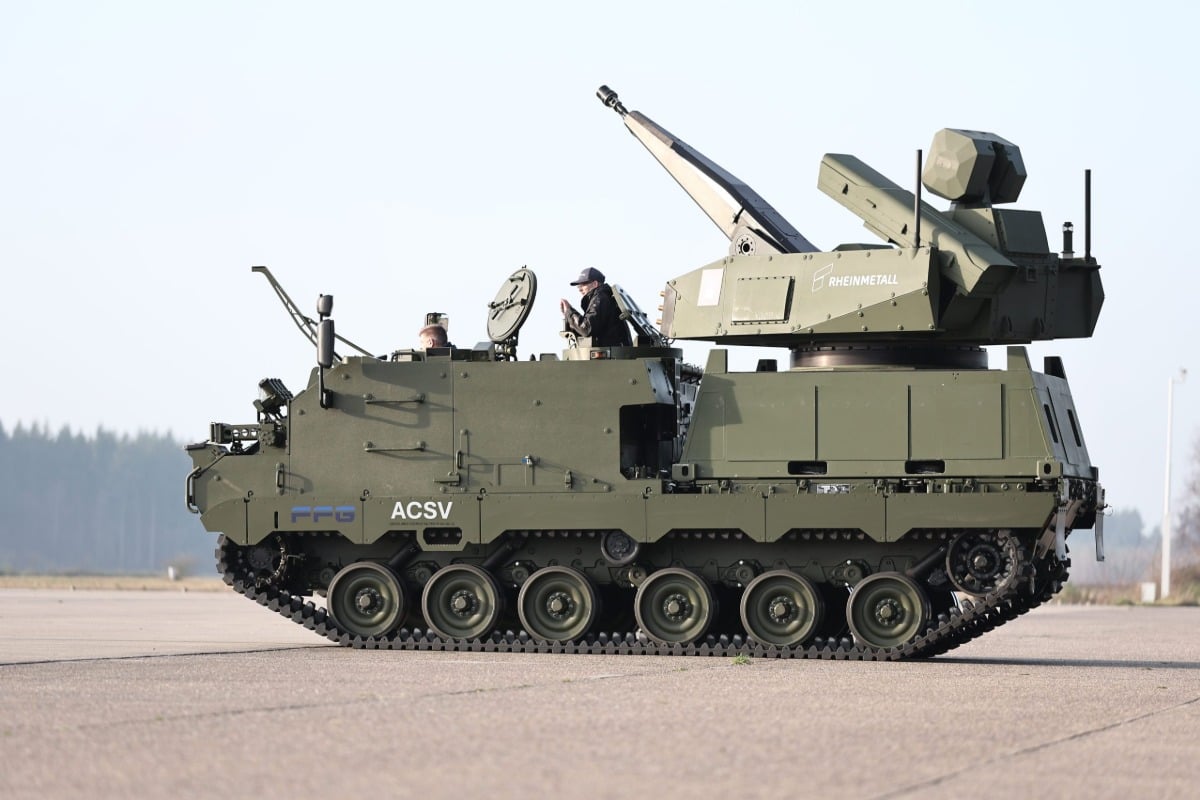
FFG doesn't just mess around with light trucks. They build serious hardware:
- The WiSENT armored recovery vehicle
- The ACSV G5 tracked combat-support vehicle
- Heavy-duty engineer and mine-clearing systems
NATO forces and Ukrainian troops depend directly on this equipment. FFG handles maintenance, deep modernization, and manufacturing from its northern hub in Flensburg. Deutz isn't just selling the motor anymore; they own the entire platform.
The Math Behind the €1.6 Billion Deal
Deutz CEO Sebastian Schulte structured this to lock down the seller families as long-term partners. They paid €1 billion in cash through bank debt and funded the remaining €600 million by issuing new shares.
Because of this structure, FFG's previous owners now hold a massive 29.9% stake in Deutz. They became the ultimate anchor shareholders with permanent board representation.
Strategically, this forces a fast-forward on corporate timelines. Deutz had a stated 2030 target to hit €4 billion in revenue with a 10% EBIT margin. FFG hauled in roughly €760 million in 2025 alone and carries a mountain of backlogged orders. Schulte admitted to reporters that this acquisition pulls those 2030 financial milestones forward by one to two years.
Industrial Scaling Meets Battlefield Reality
The true value lies in scaling. Defense procurement historically suffers from a massive bottleneck: defense contractors act like boutique artisans, building complex vehicles in small batches.
Deutz operates differently. They crank out well over 100,000 industrial engines a year across massive facilities in Cologne and Ulm. They understand automated scaling, high-volume logistics, and rapid production line optimization.
When you marry Deutz’s production capacity with FFG's highly specialized defense catalog, you solve the primary issue plaguing European defense: speed. FFG remains operationally independent but gets backed by a mass-production powerhouse.
This helps solve the military's ongoing multi-fuel puzzle too. Deutz diesel systems are ready to run on alternative biofuels out of the box, reducing tactical reliance on vulnerable fossil fuel supply lines.
Labor Tension on the Shop Floor
The transition won't be entirely smooth. German labor unions are already raising flags.
Immediately after the announcement, powerful trade union IG Metall stepped in with demands. FFG workers currently operate under automotive-style labor agreements. The union wants staff moved to the metal and electrical industry collective agreement, which carries significantly better pay and working conditions.
With defense margins rising, worker groups will fight hard for their piece of the €1.6 billion pie. Balancing these surging labor costs against integration targets will be Schulte's trickiest internal challenge over the next year.
Real Action Items for Industrial Leaders
If you operate anywhere in the industrial engineering, defense, or heavy manufacturing supply chain, you can't ignore this blueprint.
Audit your product line for dual-use capabilities immediately. If you build hydraulic systems, heavy cooling units, or robust software for mining and farming, your technology has direct military relevance.
Look for regional manufacturing acquisitions that give you total ownership over the end-use platform rather than remaining stuck as a low-margin component vendor. The era of simple component supply is giving way to vertically integrated defense conglomerates.