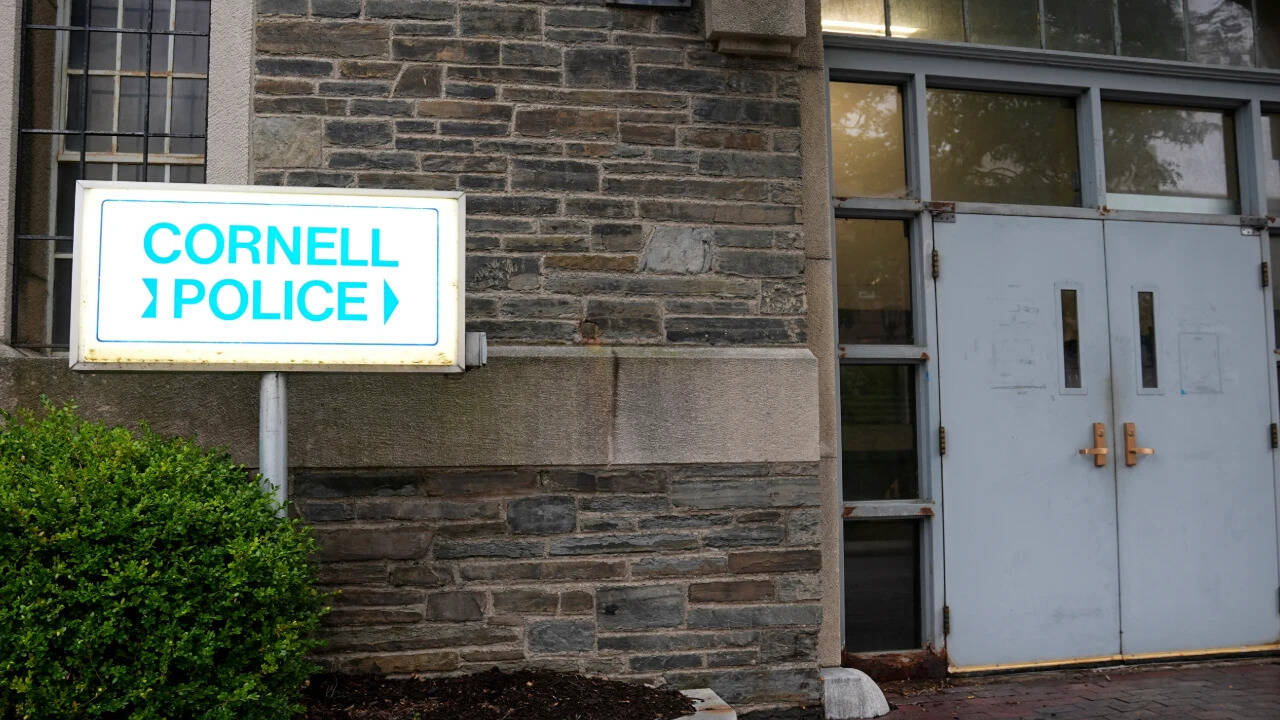
The screen glowed in a dark dorm room above Cayuga Lake, illuminating a digital lynch mob coordinated through anonymous accounts and encrypted chat rooms. At Cornell University, a sexual assault survivor reporting an attack found herself hunted not by institutional silence alone, but by a modern apparatus of networked intimidation designed to erase her identity and force her into silence. When a survivor comes forward on a campus like Cornell, the institutional machinery often creaks into motion to protect liability rather than people. Yet the outer perimeter of that defense is now routinely outsourced to decentralized internet trolls.
For years, journalistic coverage of campus sexual assault focused on Title IX hearings, bureaucratic delays, and the agonizing weight of legal proceedings. We watched administrators draft evasive statements. We watched legal teams deploy non-disclosure agreements like velvet handcuffs. But the landscape of campus trauma has shifted beneath our feet. The primary threat to survivors seeking justice is no longer just a sluggish dean of students or a defensive general counsel. It is the immediate, weaponized exposure of their personal lives across social media networks, orchestrated by actors who view a survivor's legal recourse as a challenge to be crushed.
The Anatomy of a Campus Doxxing Campaign
When a student files a formal report or initiates a campus tribunal against a popular student, the information does not stay within the confines of a hearing room. Details leak with systemic precision. Within hours, screenshots of legal filings, partial names, dorm affiliations, and intimate photographs are weaponized across platforms like X, Yik Yak, and anonymous Instagram confession pages.
This is not accidental chaos. It is a calculated strategy of deterrence.
The mechanics of this harassment rely on plausible deniability. No single fraternity or student organization takes credit for the doxxing. Instead, a loose network of sympathizers, often operating under the guise of protecting due process for the accused, engages in targeted character assassination. They comb through years of the survivor’s social media history, lifting family photos, medical disclosures, and text messages out of context to construct a counter-narrative. The goal is simple: make the cost of speaking out higher than the pain of remaining silent.
At Cornell, a university built into the rugged gorges of Ithaca where social stratification is already acute, these digital campaigns carry heavy real-world consequences. Students are ostracized in lecture halls. Landlords in off-campus housing receive anonymous complaints about victims. Academic advisors find their inboxes flooded with smear campaigns disguised as concern. The university administration, paralyzed by competing legal liabilities and public relations anxieties, often watches from a distance while the digital fires burn out of control.
The Failure of Institutional Shielding
Universities are uniquely unequipped to fight decentralized internet harassment. Their bureaucratic structures were built for a slower era—an era of paper notices sent via campus mail and disciplinary committees that met behind closed oak doors. Today’s administrators are outmatched by bad actors operating behind VPNs and burner accounts.
When a survivor's identity is leaked online, the standard institutional response is a bland reminder about campus safety resources and counseling availability. It is the administrative equivalent of handing a wet paper towel to someone standing in a hurricane.
Counseling is necessary, but it does not stop a coordinated brigade of trolls from scraping a victim's home address and publishing it on public forums. Campus police departments, historically reluctant to investigate complex cyber harassment cases involving students, frequently treat digital doxxing as a civil matter or dismiss it as internet drama. This institutional vacuum leaves victims entirely exposed. They are forced to become their own cyber-security experts, scrubbing their digital footprints, changing phone numbers, and retreating from campus life while their alleged assailants continue attending classes undisturbed.
The Weaponization of Due Process Rhetoric
A dangerous linguistic pivot has occurred in these campus conflicts. The legitimate legal principle of due process for the accused has been hijacked by digital vigilantes to justify the harassment of accusers.
In the modern campus ecosystem, publishing a victim's identifying details is reframed by perpetrators as "transparency" or "public accountability." Sympathizers argue that if an accused student faces social consequences, the accuser must forfeit their right to privacy. This inverted logic creates a chilling effect that extends far beyond the individual case. Every potential survivor watching the spectacle learns a precise lesson: step forward, and your entire life will be laid bare for public dissection.
The legal system offers cold comfort. Anti-doxxing laws remain a patchwork quilt across different jurisdictions, and prosecuting anonymous online harassers requires resources and time that most college students simply do not possess. Civil litigation against anonymous accounts is expensive, slow, and forces the plaintiff to relive the trauma in a public courtroom.
The True Cost of Silence
We are witnessing the construction of a digital panopticon where speaking truth to power is met with asymmetric electronic warfare. When institutions fail to secure the basic safety of those who report violence, and when social platforms reward engagement generated by cruelty, the message to future generations of students is unambiguous.
The survivor at Cornell whose identity was placed under siege is not an isolated anomaly. She is a data point in a systemic failure. Until universities recognize that digital safety is inseparable from physical safety, and until online platforms face genuine liability for hosting targeted harassment campaigns, the virtual lynch mob will remain the most powerful enforcement mechanism on campus.
The silence that follows is deafening, and it is exactly what the architects of these campaigns designed all along.