The wind across the valley smelled of damp earth and coming rain, but underneath it lay something sharper. Sour. It was the scent of raw manure, tons of it, piled high along the boundary line of a pristine green field.
Thomas stood by his window, watching the flies gather. He didn't like the smell. Nobody in the village did. But to Thomas and his neighbors, that suffocating stench was preferable to what they feared might happen if the field remained empty. The muck wasn't fertilizer for a future crop. It was a barricade. A defensive wall made of agricultural waste, deliberately dumped to ensure that no vehicle, no trailer, and no nomadic family could pull off the tarmac and settle on the turf. You might also find this related coverage interesting: Why Small Earthquakes in Tajikistan Hide a Massive Infrastructure Threat.
This is the quiet, desperate reality unfolding across rural lanes and suburban fringes. It is a war fought not with weapons, but with boulders, earthworks, and filth. When the news reports on these clashes, the language is often clinical, focusing on planning permissions, local council mandates, and property values. But step closer to the fence line, and the story becomes deeply human, defined by ancient anxieties, systemic failures, and a profound inability to see the person on the other side of the hedge.
The Geography of Fear
Consider a hypothetical resident named Margaret. She has lived in her cottage for thirty years. Her garden is her pride, a meticulously manicured patch of English countryside. To Margaret, the sudden arrival of an unauthorized Traveller encampment feels like an existential threat. She worries about noise. She worries about litter. She worries about the resale value of the home she poured her life savings into. As discussed in latest reports by The Washington Post, the effects are significant.
When a nearby field becomes vulnerable, Margaret doesn't see a plot of land; she sees a countdown.
When local authorities fail to provide clear boundaries or rapid resolutions, panic takes root. That panic drives ordinary citizens to extraordinary measures. Neighbors pool their money not for community projects, but to hire diggers to carve deep trenches along the roadsides. They buy massive, jagged limestone boulders and drop them at gate entrances. In the most extreme cases, they resort to dumping mountains of animal waste.
It is a visceral reaction. It is an act of rejection that says, we would rather ruin our own air than share our space.
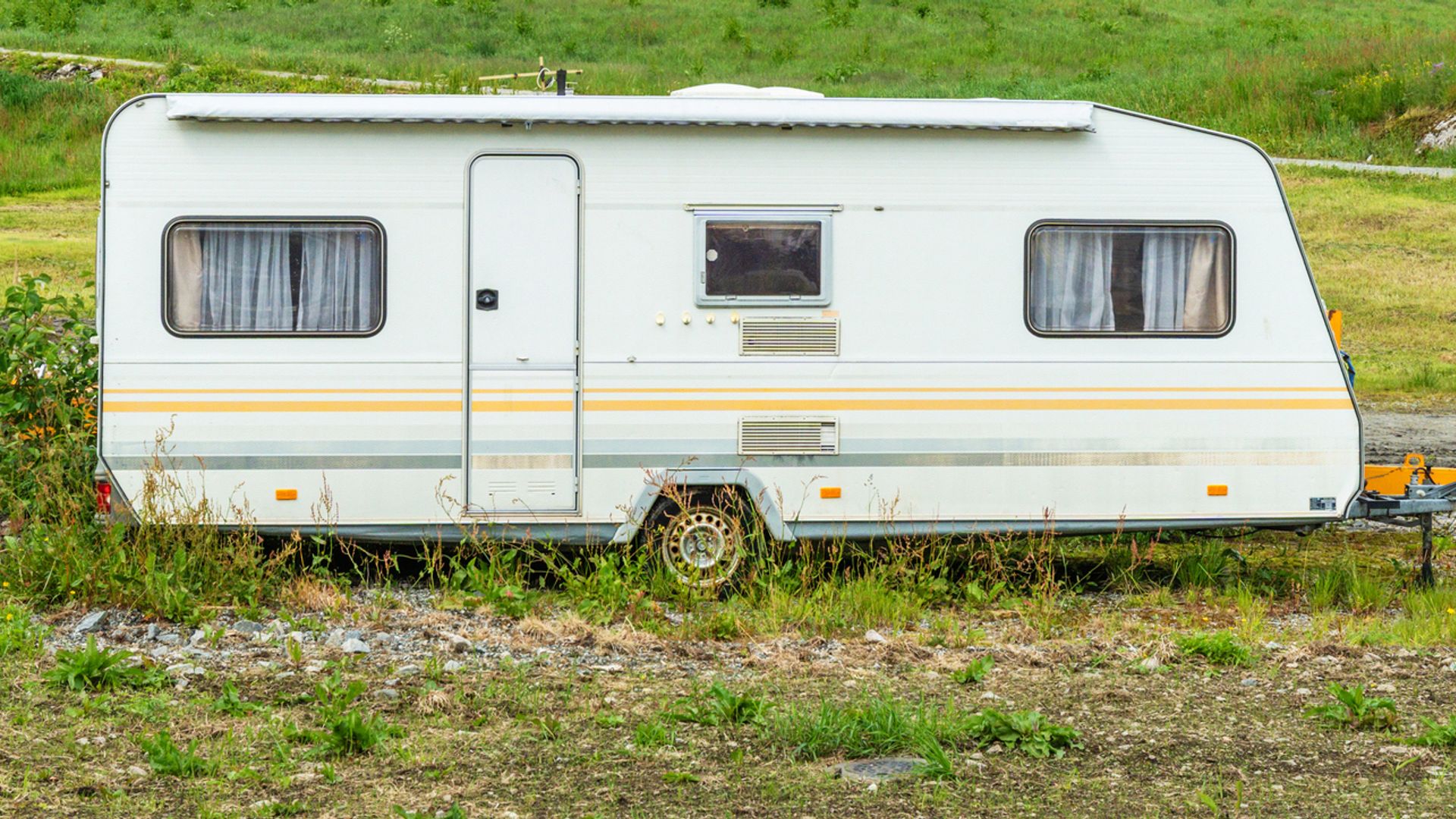
But switch perspectives. Look through the windshield of a transit van pulling a family caravan.
The View from the Road
Patrick has spent his entire life moving. He belongs to a community with a history stretching back centuries, defined by mobility and a distinct cultural identity. He isn't looking to ruin Margaret’s view. He is looking for a safe place to park for the night. He needs access to clean water for his children. He needs to be close enough to a town so his family can access healthcare or find work.
When Patrick drives past a field lined with trenches and rotting manure, he doesn’t just see a blocked field. He sees a message written in the dirt: You are not wanted here. You are not even allowed to touch the ground.
Statistics paint a stark picture of this divide. Across the country, there is a massive shortfall of authorized transit sites. Decades of legislation have systematically reduced the areas where nomadic communities can legally stop. Common land has been enclosed. Traditional stopping places have been developed into housing estates or industrial parks.
The math is simple and unforgiving. If you eliminate the legal places to stop, but the people still exist, unauthorized encampments are the inevitable result.
The Failure of the Middle Ground
The tragedy of the manure wall is that it represents a total breakdown of the social contract. It happens because both sides feel entirely abandoned by the systems meant to protect them.
Local settled communities feel helpless. They see a slow-moving bureaucracy that takes weeks or months to address unauthorized land use, leaving them to manage the fallout. They feel their concerns about local infrastructure and property rights are dismissed as prejudice. So, they take matters into their own hands, reverting to crude territorial defenses.
Meanwhile, the Traveller community faces a hostile environment at every turn. Without official sites that offer basic amenities like toilets, running water, and refuse collection, friction is guaranteed. It is a self-fulfilling prophecy. By refusing to build managed sites with proper facilities, society ensures that unauthorized stops remain messy and chaotic, which in turn fuels the next wave of boulders and barricades.
It is easy to condemn the villagers who dump filth to keep people out. It is equally easy to ignore the genuine anxieties of homeowners who feel their stability is at risk. The hard part is acknowledging that both groups are reacting to a vacuum left by decades of administrative neglect.
Shifting the Soil
Breaking this cycle requires moving past the immediate outrage. The smell of the manure will eventually fade into the soil, but the bitterness it creates lingers for generations.
True resolution doesn't look like a higher fence or a deeper trench. It looks like the unglamorous, difficult work of local planning. It means councils actually fulfilling their obligations to provide designated, well-managed transit sites where families can stop legally, pay for utilities, and live without the constant threat of eviction.
When proper sites exist, the tension dissipates. Homeowners lose their fear of the unknown because the boundaries are clear and managed. Nomadic families gain the dignity of basic stability without the daily dread of hostility.
The sun began to dip below the horizon, casting long shadows across the blocked field. Thomas closed his window to shut out the evening air, but the image remained. A beautiful piece of the earth, intentionally spoiled out of fear. It stood as a monument to a collective failure, a reminder of what happens when communities stop talking and start digging in.