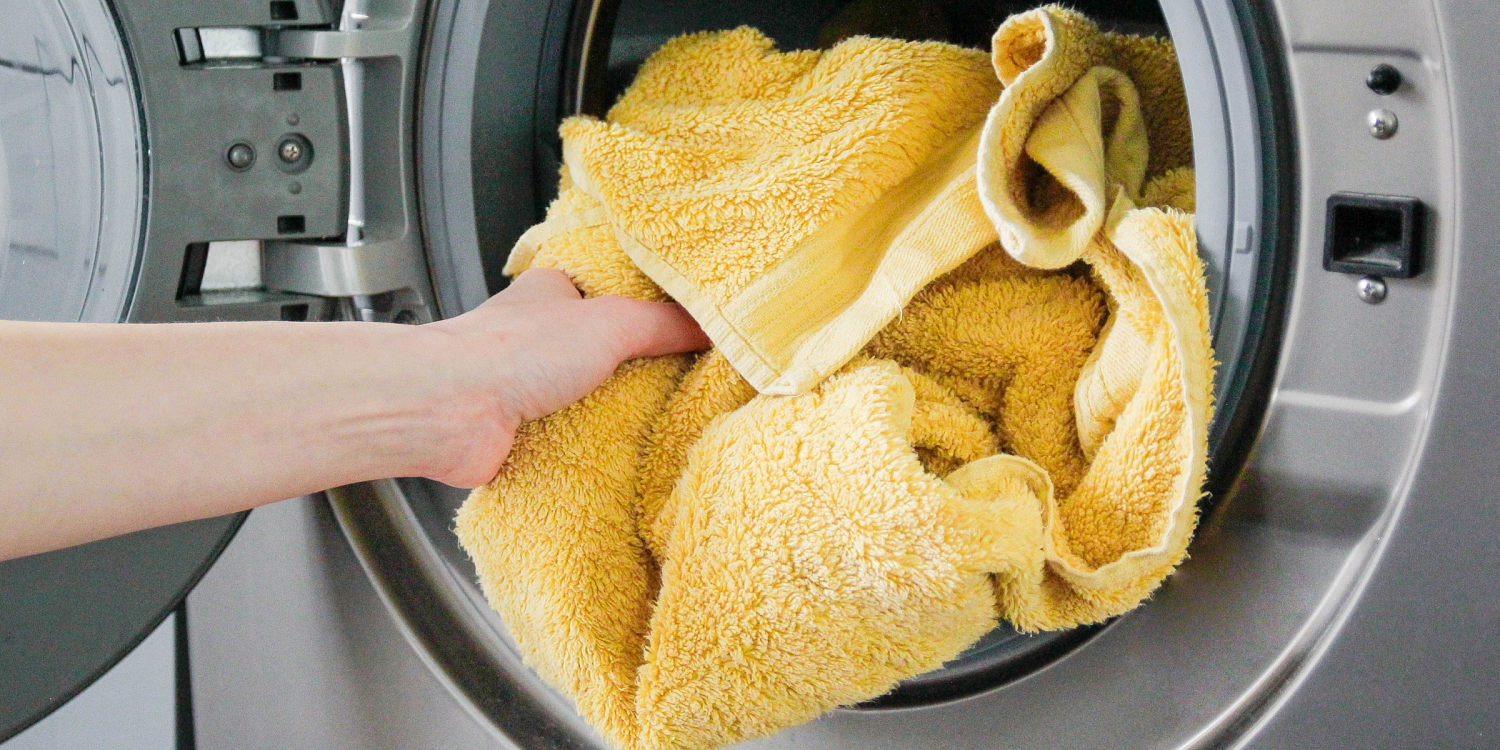
That plush towel hanging on your bathroom hook looks pristine, smells like lavender detergent, and feels like a soft hug after a hot shower. It is also a thriving biological soup. Microbes, sloughed dead skin cells, body oils, and residual fecal flora thrive inside damp woven cotton. To keep bacterial loads manageable, wash bath towels after three uses. Replace them entirely every one to two years when fiber degradation permanently impairs their absorbency and cleanability.
Most people wait far too long to wash their linens. They rely on the visual taste test or the infamous sniff test, assuming that if a towel looks white and smells fine, it must be clean. That logic fails because micro-organisms do not produce a noticeable odor until their colonies have multiplied into the millions.
By the time a towel smells stale or musty, you are no longer drying off. You are spreading concentrated bacterial colonies back onto clean skin.
The Microbial Incubator Hanging on Your Wall
Bathrooms are engineered to grow bacteria. They are warm, humid, and frequently filled with microscopic aerosol droplets generated by flushing toilets. When you step out of the shower and scrub down, the towel acts like a squeegee for your body. It strips away moisture, but it also scrapes off millions of epithelial cells along with natural sebum, trace sweat, and whatever resident skin flora lives on your body.
Now consider the micro-climate inside a wet towel.
Thick woven cotton retains water within its deep pile. If you hang that wet towel on a single robe hook inside a closed bathroom, moisture gets trapped in the tight folds of the fabric. The trapped water combines with warm room temperatures and trapped organic skin waste. You have just built a perfect incubator.
[ Showering ] -> [ Towel Scrapes Dead Skin + Moisture ] -> [ Trapped in Wet Folds ] -> [ Microbial Explosion ]
Bacteria like Staphylococcus aureus and fungi like Aspergillus thrive in these dark, damp crevices. E. coli routinely migrates onto hanging towels in shared bathrooms where toilets flush with the lid up. Every hour the towel stays damp, microbial counts multiply exponentially.
If you have active acne, eczema, or open razor nick wounds from shaving, rubbing a contaminated towel across your skin introduces those organisms directly into your pores and micro-tears. The resulting breakouts, folliculitis, or skin irritation are rarely caused by your face wash. They are frequently caused by the cloth hanging three feet from your sink.
The Three-Use Threshold and the Proper Dry
Why three uses? The math comes down to moisture retention versus microbial population growth.
Under ideal drying conditions, a towel can handle roughly three cycles of wetting and drying before the baseline population of skin flora and environmental bacteria reaches a density that requires sanitization.
- Use One: Fresh cloth. Minimal bacterial transfer, fast drying.
- Use Two: Moderate skin cell buildup. Microbial activity begins in remaining damp zones.
- Use Three: Critical threshold. Fiber moisture zones retain enough organic matter to feed accelerating bacterial colonies.
- Use Four and Beyond: High microbial load. Re-depositing bacteria onto clean skin.
That three-use rule comes with a massive catch. It only applies if the towel dries completely between uses.
If your towel hangs crumpled on a floor, bunched on a door hook, or stays trapped in a windowless room with 80% humidity, throw the three-use rule out the window. That towel needs to go straight to the hamper after a single use.
How to Extend Towel Life Between Washes
To actually get three safe uses out of a towel, you must change how it dries.
- Spread it flat across a wide bar. Never bunched on a hook. Air needs to circulate across every inch of the surface area to evaporate moisture before bacteria can feed on the skin debris trapped in the loops.
- Run the exhaust fan. Keep the bathroom ventilation fan running for at least twenty minutes after every shower to drop the ambient room humidity.
- Separate hand towels from body towels. Hand towels are used multiple times a day by different people who may not wash their hands thoroughly. Wash hand towels every one to two days without exception.
- Isolate gym towels. Workout towels absorb concentrated sweat and touch shared gym equipment. They are single-use items. Period.
The Laundry Sabotage Ruining Your Fabrics
Washing your towels regularly is only half the battle. How you wash them dictates whether you are actually sanitizing the fibers or just coating them in a scented chemical residue.
Most people use far too much detergent and drown their laundry in commercial fabric softeners. This practice damages towels faster than daily use.
Liquid fabric softeners and dryer sheets do not make towels cleaner. They coat the cotton fibers with a thin hydrophobic silicone or oil-based layer. This coating makes the fabric feel superficially soft to the touch, but it seals the inner core of the cotton loops.
+-----------------------------------------------------------------------+
|                       FABRIC SOFTENER DAMAGE                          |
+-----------------------------------------------------------------------+
|  [ Cotton Fiber ] + [ Silicone Coating ] = Reduced Absorbency         |
|  [ Trapped Moisture ] + [ Sealed Dirt ]   = Permanent Musty Odor      |
+-----------------------------------------------------------------------+
Once cotton loops are coated in softener residue, two bad things happen. First, the towel loses its ability to absorb water, leaving you damp after wiping down. Second, the water-resistant coating seals in tiny particles of dirt, body oil, and detergent residue deep inside the fabric. When you run the towel through a standard cool wash cycle, the water cannot penetrate that oily barrier to flush out the trapped debris.
The result? Towels that come out of the dryer smelling clean, but develop a sour, moldy stench the second they touch warm water during your next shower.
The Thermal and Chemical Reset Protocol
To clear out that greasy buildup and strip away sour odors, skip the chemical softeners and run a washing cycle reset once a month.
- Ditch the Softener: Replace commercial softeners with half a cup of plain distilled white vinegar added to the rinse cycle. The mild acetic acid breaks down detergent buildup and strips away mineral deposits from hard water, naturally softening the fibers and restoring absorbency.
- Watch the Soap Dosage: Cut your standard liquid laundry detergent dose in half. Excess soap creates thick suds that trap bacteria and float on top of the water instead of flushing out down the drain.
- Heat Matters: Wash towels in warm or hot water (at least 140°F / 60°C) when trying to kill bacteria and dust mites. Cold water cleans clothes gently, but hot water is required to break down human body oils bound to heavy cotton fabrics.
- Dry Completely: Never leave damp towels sitting in the washing machine drum for hours. Move them immediately to the dryer and run until 100% dry. Even 2% remaining moisture stored in a dark linen closet will cause mildew growth within forty-eight hours.
When to Retire Your Towels for Good
No towel lasts forever. High-grade Egyptian or Supima cotton can endure years of heavy laundering, but every wash cycle breaks down the physical structural integrity of the fabric.
Cotton fibers are natural cellulose threads spun into long loops called terrycloth. These loops provide the surface area required to pull moisture off human skin through capillary action. Over months of friction, hot water, and drying cycles, those individual fibers fray, thin out, and snap.
[ High-Density Terry Loops ] -> [ Laundering Friction ] -> [ Frayed, Flattened Stubs ]
           (Absorbs Water)                                   (Scratches & Repels Water)
You can track fabric decay visually and tactilely.
First, look at the edges and seams. When the hem binding starts unraveling or fraying, structural breakdown has begun. Second, feel the texture when the towel comes off the line or out of the dryer without softeners. If it feels scratchy, stiff, or cardboard-like despite using vinegar rinses, the cotton loops have snapped off, leaving behind flattened fabric stubs.
Third, test the absorbency. If you rub a dry towel across your wet arm and it simply pushes the water drops around your skin instead of soaking them up instantly, the fiber matrix is shot.
Finally, check the lingering odor. If a towel retains a persistent sour smell even after being washed in hot water with vinegar and baked dry in the sun, deep-seated bacterial biofilms have permanently bonded to the decaying core of the fabric.
When your towels reach this state—typically around the 18 to 24-month mark for daily-use bath towels—they can no longer be sanitized. Retiring them is not a matter of luxury or interior design. It is a hygiene necessity.
Donate worn-out towels to animal shelters, strip them down into garage rags for oil spills, or recycle them through textile programs. Just keep them away from your clean face and open skin.