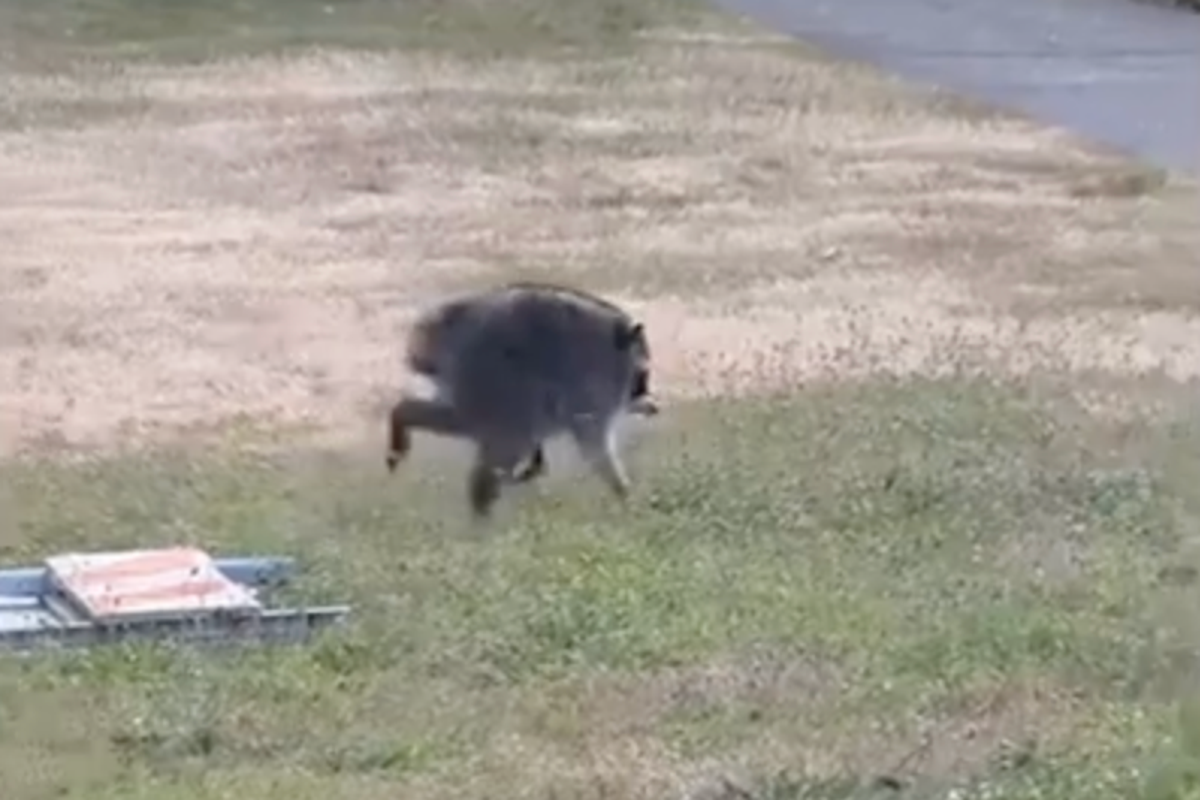
Animals adapt fast. While humans tend to overthink adversity, wild creatures just keep moving. Take Jimothy, a wild raccoon who lost a limb and managed to thrive despite the unforgiving reality of forest life. Standard wildlife biology tells us that a physical impairment in a small mammal usually means a swift end. Predators, competition for food, and harsh weather stack the deck heavily against them.
Yet disabled wildlife frequently prove our strict survival models wrong.
Understanding how animals like Jimothy adapt offers a fascinating glimpse into animal behavior, cognitive flexibility, and urban ecology. Urban and suburban raccoons (Procyon lotor) face unique challenges compared to their rural counterparts, but they also have access to high-calorie resources that make survival with a physical disability possible.
What Wildlife Biology Teaches Us About Animal Disability
Wild animals don't have the luxury of slow recovery. When a raccoon suffers a severe injury like a broken limb or amputation—often from vehicle strikes, urban traps, or fights with other wildlife—its immediate survival depends on three distinct factors.
First, the risk of infection is immense. Animals that survive the initial trauma often do so because of remarkably strong immune responses. Second, mobility loss directly impacts foraging efficiency. A three-legged raccoon can't climb trees as quickly or dig as efficiently. Third, social hierarchy comes into play. Raccoons aren't strictly solitary, and resource competition can get fierce.
Wildlife rehabilitators at institutions like the Cornell Wildlife Health Lab observe that wild mammals show incredible neuroplasticity. They adjust their gait almost immediately. Instead of mourning the lost function, they shift their weight, alter their climbing techniques, and adapt their routines to minimize risk.
The Urban Resource Factor
Why do disabled raccoons seem to survive better in suburban environments than in deep wilderness? The answer comes down to energy expenditure versus caloric reward.
In deep forests, a raccoon must cover significant territory, forage in streams, and continuously outrun larger predators like coyotes or bobcats. A physical limitation severely degrades their odds. Suburban areas change the equation entirely.
- Dense caloric sources: Dumpsters, pet food bowls, and fallen fruit trees offer massive amounts of calories with minimal physical effort.
- Reduced apex predators: Suburbs have fewer large predators that actively hunt adult raccoons.
- Structural shelter: Sheds, attics, and decks provide warm, secure den sites that don't require high-altitude climbing.
Jimothy's survival highlights this exact dynamic. By leveraging human infrastructure, an impaired animal offsets its physical limitations.
Cognitive Adaptability Over Physical Strength
Raccoons are known for their high intelligence and problem-solving abilities. Studies in animal cognition demonstrate that raccoons excel at tactile memory and mechanical problem-solving. When physical strength or agility is compromised, cognitive flexibility takes over.
A three-legged raccoon might learn to open a latch using its remaining paw and snout, or it might alter its activity schedule to avoid peak hours of domestic dog traffic. They learn quickly. They remember which yards are safe and which carry hazards.
If you spot a disabled wild animal in your neighborhood, resisting the urge to intervene is usually the best choice unless the animal shows clear signs of active distress or severe sickness. Watching from a distance allows them to maintain their wild habits. If an animal is visibly suffering or unable to move, contact a licensed local wildlife rehabilitator through organizations like the National Wildlife Rehabilitators Association to evaluate the situation professionally.