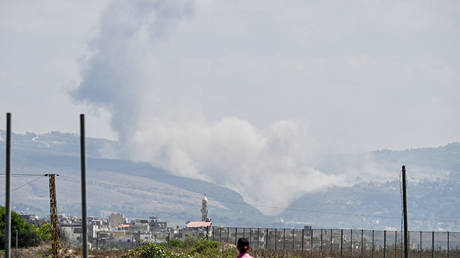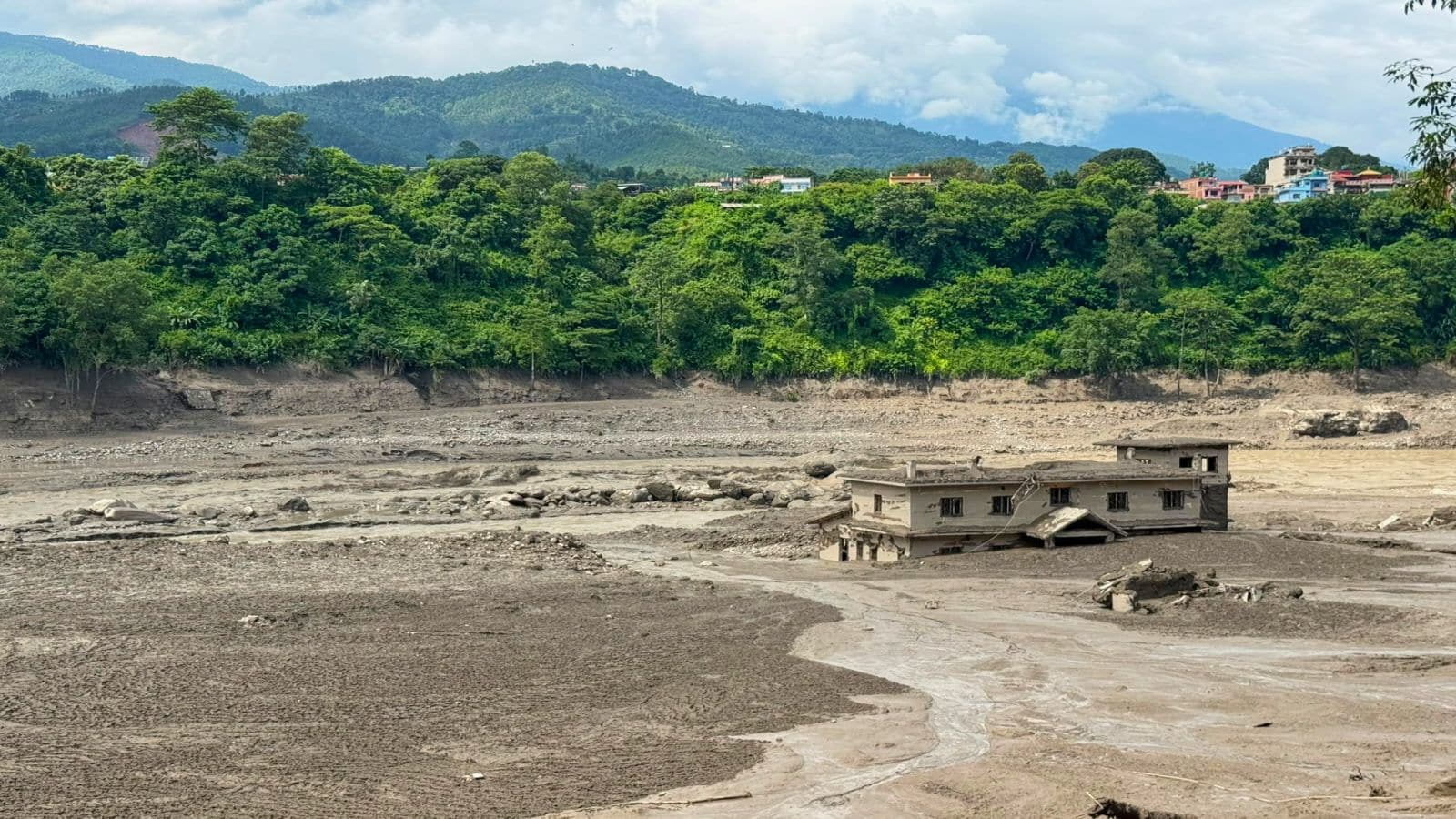
The catastrophic flash floods along the Nepal-Tibet border expose the structural vulnerabilities of multi-jurisdictional emergency response systems. When a glacial collapse and underlying rock failure trigger a multi-million-cubic-meter surge down the Bhote Koshi and Trishuli river basins, the crisis immediately transcends conventional municipal disaster management. With regional death tolls climbing past seven hundred and hundreds of citizens remaining uncontactable across international boundaries, the incident serves as an empirical stress test for cross-border humanitarian logistics, infrastructure resilience, and diplomatic coordination between New Delhi, Kathmandu, and Beijing.
Evaluating this crisis requires examining the operational variables that separate effective containment from systemic failure. The primary challenge lies in three distinct friction points: geographic isolation of hydropower installations, data asymmetry between sovereign monitoring networks, and the logistical bottlenecks of heavy equipment deployment in high-altitude terrain.
The Operational Anatomy Of High Altitude Hydrology Disasters
High-altitude flash floods generated by glacial outbursts and barrier lake formations create unique hydraulic signatures. Unlike standard riverine floods caused by monsoon overflow, glacial lake outbursts and debris flows carry high sediment loads, enormous kinetic energy, and unpredictable surge velocities. When the Lhende River was blocked by debris near the Rasuwagadhi border crossing, a barrier lake accumulated millions of cubic meters of water within hours, transforming the valley floor into an unstable hydraulic hazard zone.
The infrastructure footprint in these river basins compounds the hazard. Numerous run-of-the-river hydropower projects and transit corridors sit directly within the flood attenuation zones. When systemic failure occurs, the primary operational threat shifts from initial impact survival to extraction velocity. Underground tunnels, subterranean powerhouse chambers, and narrow gorge passages trap workers and pilgrims, turning structures designed for energy generation into subterranean traps.
Evaluating the response metrics reveals the severity of the operational theater. The Ministry of External Affairs confirmed that over two hundred and seventy-five Indian nationals and more than one hundred and twenty-eight persons of Indian origin, primarily pilgrims returning from the Kailash Mansarovar Yatra, remained unaccounted for during the acute phase of the search operations. Meanwhile, hundreds of individuals stranded on the Chinese side of the border required coordinated transit frameworks to cross safely into Nepalese territory.
Multi Jurisdictional Friction And Sovereign Coordination Matrices
Disaster response efficiency is directly proportional to the speed of institutional friction reduction. In transnational disasters, operational latency is introduced by jurisdictional handoffs. When citizens of one sovereign state are impacted within the geographic boundaries of a second while operating logistics dependent on a third, standard Standard Operating Procedures frequently break down.
The structural response required a tripartite coordination model:
- Intelligence and Communication Slices: Establishing round-the-clock control rooms and dedicated embassy helplines in Kathmandu and Beijing to triage uncontactable individuals and reconcile disparate regional manifests.
- Physical Logistics and Air Mobility: Deploying Indian Air Force C-130J transport assets to airlift tens of tonnes of emergency material, specialized medical contingents, and heavy rescue equipment directly into Kathmandu.
- Sub-Surface and Technical Extraction: Transitioning from broad surface search operations to targeted engineering interventions, including tunnel reconnaissance teams and forensic DNA identification units designed to assist local authorities with mortal remains.
This multi-tiered deployment highlights the reality of modern first-responder obligations. Regional stability depends on a state's capacity to project logistics rapidly across rugged borders without waiting for protracted diplomatic clearance protocols. India's delivery of over sixty tonnes of relief material and modular steel bridging equipment reflects an operational doctrine focused on immediate asset positioning.
Infrastructure Deficit Analysis And Structural Mitigation Failures
The physical devastation observed across multiple districts in Nepal underscores a broader systemic issue: asset design tolerances failing to match accelerating climate-induced hydrological volatility. Standard structural safeguards, such as fixed highway bridges and conventional retaining walls, are frequently calibrated against historical flood return periods that no longer apply in accelerated glacial melt scenarios.
When flash floods sheared transport networks and isolated entire districts, land connectivity collapsed instantly. The immediate requirement for Single Lane Modular Steel Bridges and Bailey bridge infrastructure illustrates that economic recovery in the Himalayas is entirely contingent on rapid structural redundancy. If supply chains remain severed for weeks, secondary humanitarian crises involving potable water scarcity, pathogen proliferation, and medical supply depletion emerge rapidly.
Furthermore, the vulnerability of subterranean infrastructure demands a re-engineering of underground personnel safety protocols. Hydropower sites embedded in narrow gorges must incorporate automated early-warning acoustic sensors tied directly to upstream hydrological monitors, alongside high-elevation secondary egress routes that do not rely on valley-floor transit vectors.
Strategic Allocation Of Capital And Equipment
Future resilience against similar multi-national Himalayan disasters requires shifting from reactive disaster relief to predictive structural engineering. Governments and private operators must invest in real-time satellite telemetry to monitor high-altitude barrier lake formations before breach events occur.
Deploy autonomous sensor networks along trans-boundary river systems to provide early warning metrics to downstream populations.
Pre-position modular bridging and heavy excavation equipment at high-altitude regional hubs rather than central metropolitan depots.
Establish permanent, cross-border joint task forces authorized to cross jurisdictions during acute life-safety rescue windows without administrative delay.
The immediate tactical priority centers on clearing subterranean blockages, stabilizing volatile barrier lakes, and securing the transit corridors necessary for long-term reconstruction. Operational success in high-altitude emergency management is measured entirely by minutes saved during extraction and structural integrity restored before the next seasonal surge.