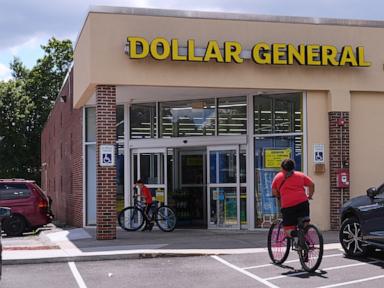
Walk into a discount store expecting to spend twenty bucks, and you suddenly find yourself handing over twenty-five at the register. Most people assume they just miscalculated the sales tax or grabbed the wrong item off the rack. Turns out, when Dollar General got sued by the Federal Trade Commission alongside 20 state attorneys general over deceptive pricing, regulators confirmed it wasn't just bad math in the checkout line.
It was a systemic issue.
For years, shoppers across rural and low-income communities have complained about shelf tags showing one price while the cash register rings up something noticeably higher. Now, the federal government and a massive coalition of states are stepping in to hold the retail giant accountable. If you shop at discount chains, or if you track how retail regulations actually protect consumers, this lawsuit is a massive wake-up call.
Why Regulators Finally Stepped In
Discount retailers operate on razor-thin margins and high volume. That's the business model. You keep overhead low, run stores with minimal staff, and rely on customers grabbing essentials quickly without scrutinizing every single receipt.
The problem happens when understaffing meets rapid inflation.
When wholesale prices jump, corporate headquarters pushes price updates down to individual stores. Store managers get handed stacks of new shelf tags to swap out before the doors open. If there are only two employees running an entire store, unpacking freight, and working the register, those shelf tags don't get updated on time. The computer system at the register updates automatically from corporate headquarters, while the physical sticker on the aisle stays stuck in last month's pricing.
Regulators didn't just look at a few isolated mistakes. State weights and measures inspectors had been fining individual Dollar General locations for years over pricing accuracy failures. In states like Ohio, North Carolina, and Missouri, inspectors routinely found failure rates way above the standard legal threshold, which usually sits around two percent. When a store fails an inspection with a 15 or 20 percent error rate, that's no longer an accident. It's a broken operational model.
The FTC and the 20 states joining the lawsuit argue that failing to fix a known problem constitutes an unfair and deceptive business practice under federal and state consumer protection laws. Basically, you can't advertise one price on the shelf, charge another at the register, and shrug your shoulders when local inspectors hand you a $1,000 fine that you treat as a minor cost of doing business.
The Hidden Tax on Rural Communities
Here's what most financial commentators miss when they cover retail lawsuits. Dollar General isn't just another store in a suburban strip mall where you can easily walk next door to a competitor.
Roughly 80 percent of Dollar General stores serve towns with fewer than 20,000 people. In many of these areas, the local grocery store closed down a decade ago. Dollar General became the de facto pantry for millions of families living on fixed incomes or tight weekly budgets.
When you're counting every dollar to make sure your SNAP benefits or debit card covers milk, bread, and detergent, a fifty-cent discrepancy on four different items ruins your math. Most shoppers don't catch it in the moment because the line behind them is growing, the single cashier looks exhausted, and holding up everyone for a dollar feels embarrassing.
Retailers bank on that friction. Even when a customer does notice the overcharge and asks for a price adjustment, the burden falls entirely on the shopper to prove the shelf said something different. You have to walk back to the aisle, take a photo of the tag, or wait for a manager to verify it. Nine times out of ten, people just pay the extra money and leave. Multiply those tiny overcharges across more than 20,000 stores nationwide, and you're looking at millions of dollars quietly extracted from the exact demographics that can least afford it.
How Retail Pricing Laws Actually Work
A lot of shoppers assume that if a shelf tag says $3.00, the store is legally forced to sell it to you for $3.00. That's actually a myth in plenty of places.
Pricing laws vary wildly depending on where you live. Some states, like Michigan and Massachusetts, have strict "scanner laws" or bounty provisions. If an item rings up higher than the advertised shelf price in Michigan, the store doesn't just have to give you the lower price—they actually owe you a bonus payout of up to ten times the difference, capped at a few dollars, just for catching the mistake.
Other states have zero statutory penalties for individual shoppers. In those states, if the register rings up higher than the shelf, the store is only obligated to correct the price if you catch it before leaving, or simply allow you to cancel the purchase of that item.
What the FTC lawsuit changes is the scale of enforcement. Instead of relying on local weights and measures departments to issue small, store-by-store municipal fines, federal regulators can seek sweeping injunctions, mandatory operational overhauls, and massive financial restitution. When 20 state attorneys general pile onto the same complaint, the legal pressure forces corporate leadership to rethink how they staff stores and manage inventory systems.
What Dollar General Has Said in Response
Corporate retail giants rarely admit to intentional deception, and Dollar General is no exception. In previous responses to state-level investigations and fines, company representatives have consistently pointed to the sheer scale of their operations and the challenges of managing millions of price changes across tens of thousands of locations.
They've also highlighted investments in new store hours, updated handheld scanning technology for employees, and stricter internal audit procedures. From a corporate perspective, fixing pricing errors across 20,000 rural locations is a massive logistical headache.
Honestly, both things can be true at the same time. The logistical challenge is real, and corporate leadership allowed store staffing to drop to levels where executing basic price changes became nearly impossible. You can't run a skeleton crew to maximize shareholder returns and then claim surprise when basic store maintenance falls apart.
Why This Lawsuit Matters Beyond One Store
If you never set foot inside a Dollar General, you should still pay attention to how this case plays out. The FTC has been aggressively targeting what it calls "junk fees" and deceptive pricing practices across every industry—from concert tickets and hotel bookings to auto dealerships and grocery chains.
The legal precedent set here will ripple straight through the entire retail sector. Competitors like Dollar Tree, Family Dollar, and regional discount chains are watching closely. If the courts agree that chronic understaffing isn't a valid excuse for inaccurate shelf tags, every major retailer will be forced to audit their pricing compliance and potentially spend millions on extra labor hours just to keep shelf labels accurate.
Electronic shelf labels—those tiny digital screens that update automatically via Wi-Fi when corporate changes a price—are already rolling out at chains like Walmart. Expect this lawsuit to accelerate the adoption of digital pricing tags across the discount sector. Of course, digital tags bring their own set of consumer worries, like the potential for surge pricing during peak shopping hours, which regulators are already starting to scrutinize.
How to Protect Your Wallet at the Register
Until federal courts force permanent changes on the retail floor, you have to act as your own auditor every time you shop at a high-volume discount chain.
Start by slowing down at the register. Watch the screen as each item scans instead of scrolling on your phone or packing bags while the cashier rings things up. If you're buying items that are marked on clearance or have bright yellow promotional tags, snap a quick picture of the shelf label with your phone before you walk to the front of the store. Having that photo on your screen eliminates the awkward debate at the checkout counter and saves you from having to walk back to the aisle while a line forms behind you.
Always take your paper receipt. Even if you only bought three things, glance at the totals before you walk out the automatic doors. Most corporate policies require cashiers to honor the lower shelf price if you point out the discrepancy immediately, and stores are much quicker to issue a refund when you're still standing inside the building.
If you spot repeated, blatant overcharges at the exact same location week after week, don't just complain to the cashier—they didn't set the corporate labor budget. File a quick online complaint with your state's Department of Agriculture or Division of Weights and Measures. Those state inspectors actually read local complaints, and a cluster of reports from the same zip code is usually what triggers the unannounced store audits that lead to real enforcement.