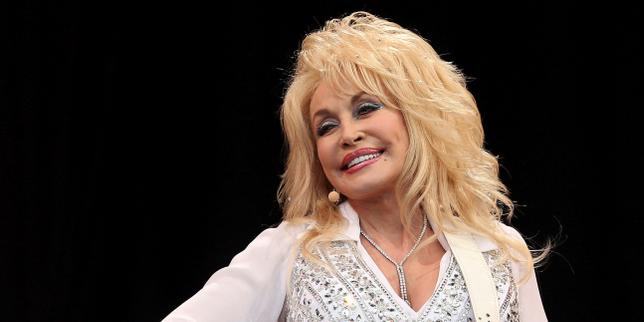
Culture wars are loud. They are exhausting, repetitive, and designed to divide people into rigid camps. Yet, every once in a while, a cultural figure cuts through that noise with pure, unadulterated humanity. Dolly Parton is that figure. Long before corporate boardrooms started slapping rainbows on their logos for thirty days in June, Dolly was quietly making her Tennessee mountain home a safe haven for everyone. She didn't do it with a press release or a political manifesto. She did it with sequins, a wicked sense of humor, and an absolute refusal to judge her neighbors.
People often misunderstand why Dolly Parton matters so deeply to the LGBTQ+ community. It isn't just about catchy country anthems or campy stage presence. It is about a feeling of radical acceptance in a world that frequently demands conformity. When you grow up feeling like an outsider in rural America, seeing a global superstar look the camera in the eye and treat outsiders with fierce, unwavering affection changes your perspective. She showed millions of queer kids that their country—and their culture—could hold space for them.
The Roots of an Unlikely Ally
Dolly grew up dirt poor in Sevier County, Tennessee. Her family had very little money, but they had a lot of children and an abundance of resilience. That upbringing shaped her worldview. When you come from a large, struggling family, you learn quickly that survival depends on looking out for the people around you, regardless of their quirks or differences.
In her early days in Nashville, she found herself surrounded by studio musicians, songwriters, and backstage crew members who didn't fit neatly into traditional Southern molds. She never batted an eye. While mainstream country music historically leaned toward conservative values that sometimes alienated queer fans, Dolly carved out her own path. She leaned into camp aesthetic long before it was cool. She wore massive wigs, glittered outfits, and heavy makeup, entirely owning her look. That dedication to theatrical self-expression resonated instantly with gay men and drag artists who understood the immense labor and joy of crafting a larger-than-life persona.
Beyond the Glitter
It would be easy to reduce Dolly's appeal to her flamboyant style, but that misses the substance of her character. Her allyship has always been practical and protective. Over the years, she has addressed questions about her gay fanbase with remarkable clarity and zero hesitation. She has repeatedly pointed out that she has family members and close friends who are part of the community, and she loves them fiercely.
When asked about her views on same-sex marriage or LGBTQ+ rights in various interviews over the decades, she rarely indulged in political grandstanding. Instead, she anchored her answers in basic Christian charity and human decency. She often reminds interviewers that God is love and that nobody has the right to judge another person's heart. That framing is powerful. It strips away the weaponized theology that has hurt so many queer youth in conservative regions and replaces it with the simple mandate to love thy neighbor.
Consider her massive theme park, Dollywood, located right in the heart of East Tennessee. For years, the park has hosted an annual LGBTQ+ event known informally as Gay Days, drawing thousands of visitors from across the country. Despite occasional pushback from local religious groups, the park has maintained a welcoming posture. Dolly understands business, but she also understands dignity. She has never thrown her queer fans under the bus to appease critics. That kind of steadfast loyalty is rare.
What Mainstream Culture Gets Wrong
Critics sometimes dismiss Dolly's appeal as a harmless novelty, treating her like a nostalgic relic of a bygone era. That is a massive mistake. Dolly Parton is a sharp businesswoman, a brilliant songwriter who wrote "I Will Always Love You" and "Jolene" on the exact same day, and a master of public relations. She knows exactly who she is and what she represents.
When people look at her, they want to believe that small-town America and progressive acceptance can coexist. That is why her impact on the queer community feels so profound. She bridges a gap. She proves that you don't have to abandon your roots, your accent, or your faith to love people who live differently than you do.
If you grew up gay in a small town in the South or the Midwest, the cultural narrative you usually heard was simple: get out as fast as you can because nobody here wants you. Dolly complicated that narrative. She stayed connected to her mountain roots while embracing everyone she met. She proved that hospitality and warmth don't have to come with fine print or exclusions.
Why the Connection Endures
Today, the political landscape is intensely polarized. LGBTQ+ rights are frequently used as a political football, with legislation targeting everything from healthcare to literature. In this climate, cultural touchstones matter more than ever.
Dolly doesn't need to post manifestos on social media to make an impact. Her legacy is already baked into the fabric of American culture. Every time a young queer person watches her perform, or reads about her massive literacy program that has mailed over 200 million books to children worldwide, they see an example of greatness untethered from cruelty.
She showed us that strength and softness are not mutually exclusive. She showed us that you can laugh at yourself, work harder than anyone else in the room, and still leave the door open for anyone who needs a place to sit. America isn't always easy on people who stand out, but Dolly Parton made it a little bit softer, a little bit brighter, and a whole lot kinder for everyone willing to believe in the music.