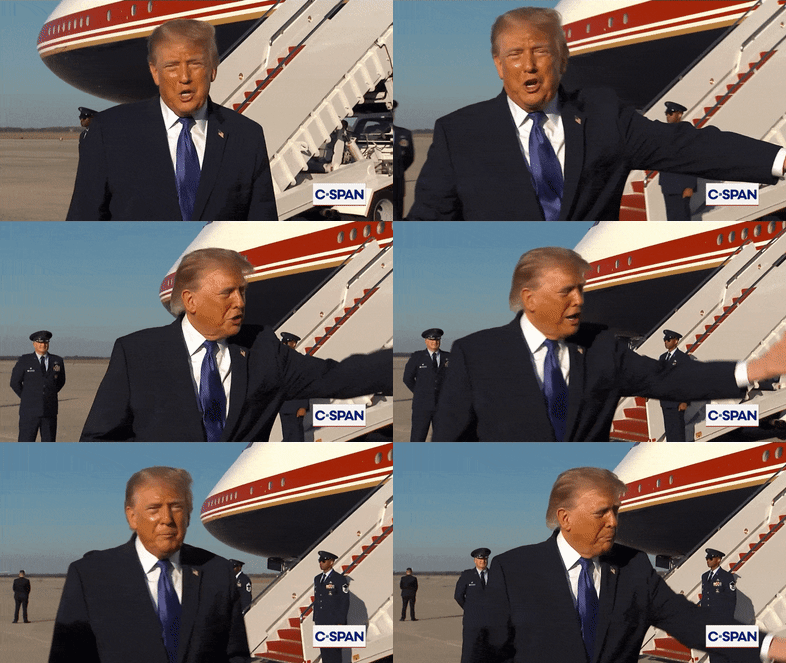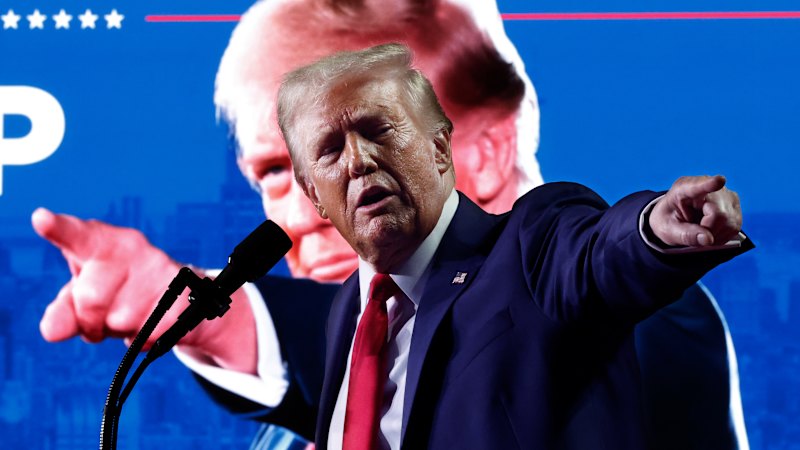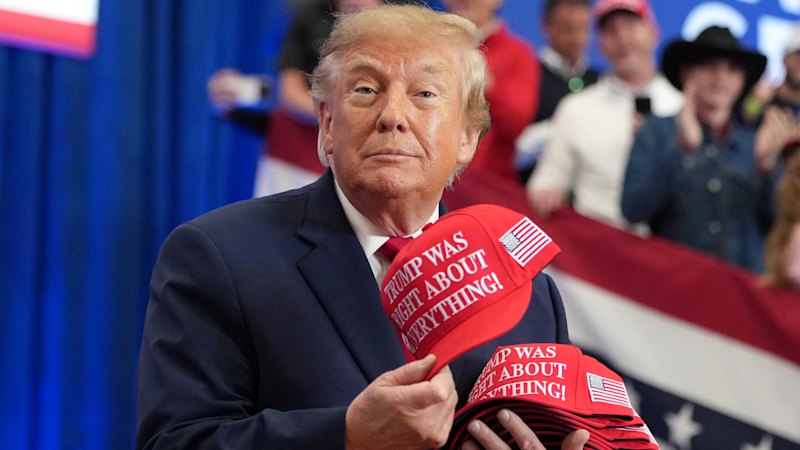
Donald Trump after the midterms does not face a simple binary of defeat or surrender; he faces a structural trap where both his own party's collapse and the opposing majority's limits force him toward unilateral escalation. The November 2026 blue wave handed Democrats control of both the House and the Senate, flipping dozens of House seats, roughly nine Senate seats, and multiple governorships. Yet reading the aftermath as a neat "lose or lose" trap misses the messy reality of modern executive power. Trump lost congressional majorities and saw half of his endorsed Senate candidates fall. Still, he holds the veto pen, controls executive machinery, and commands foreign policy levers that lawmakers cannot easily sever.
The Myth of the Simple Lame Duck
Political analysts love tidy labels. Lame duck sounds neat on cable news. Meanwhile, you can explore similar events here: The Quiet Battle Over Who Counts in the Last Frontier.
In practice, a president who has issued nearly three hundred executive orders across his second term does not quietly pack up his pens when the gavel changes hands in January. Voters punished Republicans at the ballot box over stubborn inflation, broad import tariffs, and the economic fallout from conflict with Iran that rattled energy markets. Half of Trump's endorsed Senate hopefuls lost, and key battleground governors and House incumbents went down despite his late-campaign push.
That electoral drubbing strips Trump of easy legislative wins. Any sweeping domestic bill that requires Capitol Hill buy-in is dead on arrival unless Democrats can clear steep hurdles or find rare points of compromise. To see the bigger picture, check out the excellent report by Al Jazeera.
Here is the catch that lazy punditry overlooks. Losing Congress does not strip away executive authority, nor does it erase the political oxygen Trump draws from fighting an adversary. For years, critics predicted that every setback would end his grip on the right, only to watch him turn grievance into fuel. Even as his endorsement hit rate slumped compared to 2024, Trump immediately shifted blame onto candidates and party figures while flexing his readiness to use veto power and unilateral decrees.
Why Foreign Policy Becomes His Playground
When domestic legislation stalls, presidents look outward. Trump has far more room to maneuver abroad than at home.
Foreign policy and trade offer immediate action without waiting for sixty votes or floor schedules. Tariffs, sanctions, diplomatic maneuvers, and military posture sit heavily in the executive lane, even when lawmakers object or hold hearings. Conflict in the Middle East and tense trade negotiations—including looming tariff truces and broad trade probes—give the White House constant levers to pull.
A president cornered at home often reaches for dramatic moves abroad to reclaim the spotlight and remind allies and rivals alike who still holds the levers of state.
That dynamic carries sharp risks. Escalating tensions in the Gulf or tightening tariffs can push oil prices and consumer costs right back up, worsening the exact affordability squeeze that cost Republicans seats in November. Conversely, a high-profile diplomatic breakthrough or ceasefire could let Trump claim a historic win despite losing Capitol Hill.
Consider a hypothetical scenario to see how that tension plays out. Suppose the White House announces a surprise tariff truce with a major trading partner while simultaneously ordering fresh strikes or sanctions in the Middle East. Markets might bounce on trade relief one day and spike on shipping fears the next, leaving businesses caught between volatile executive actions and slow-moving congressional pushback. That kind of whiplash defines executive-led foreign policy during divided government.
Subpoenas, Vetoes, and Institutional Trench Warfare
Expect gridlock, not stillness. With Democrats holding both chambers, oversight committees will launch aggressive probes into administration contracting, executive actions, regulatory decisions, and potential conflicts of interest.
Trump is already preparing counter-moves. Directing federal contractors to clear congressional inquiries through the White House signals an effort to bottle up information and turn oversight into a prolonged legal and political slog. At the same time, he has signaled a willingness to wield the veto aggressively against Democratic bills that cross his red lines.
- Legislative stalemate: Democrats lack the two-thirds supermajorities needed to override presidential vetoes on their own.
- Judicial and cabinet bottlenecks: A Democratic Senate can slow or block executive nominees and judicial confirmations, narrowing Trump's ability to reshape the courts and agencies.
- Must-pass fiscal cliffs: Government funding deadlines and debt limit fights will force high-stakes standoffs where both sides risk economic damage if brinkmanship goes too far.
- Impeachment talk vs. reality: House investigations may test impeachment waters, yet removing a president requires a two-thirds Senate vote that remains mathematically out of reach.
For businesses and investors, this creates a distinct regulatory risk environment. Agencies can still write rules, enforce priorities, and issue directives, even as congressional committees demand documents and threaten legislation. Companies tied to defense, energy, artificial intelligence, or cross-border trade face competing pressures from White House decrees, state rules, and Capitol Hill scrutiny.
The Overlooked Factor Inside the GOP
Most commentary focuses on the clash between Trump and incoming Democratic leaders. The deeper fracture is brewing inside the Republican coalition itself.
When a movement leader's endorsement record slips and safe or lean seats turn blue, ambitious successors start calculating their own futures. Publicly, Republicans will praise Trump and keep their base intact. Privately, strategists, donors, and potential 2028 contenders have to weigh whether sticking strictly to his playbook helps or hurts in the next cycle.
Yet writing off Trump's sway over GOP voters has been a costly mistake before. Even in defeat, he commands fierce loyalty among core supporters and shapes which candidates survive primaries. If Trump views the midterms as a warning to double down on confrontation rather than retreat, he can still punish party critics and rally his base around grievances.
What Actually Decides the Next Two Years
Nothing in Washington happens in a vacuum. How Trump behaves over the remaining two years of his term will depend less on clever pundit framing and more on hard constraints: court rulings on executive power, global energy prices, inflation at the checkout line, and how disciplined Democrats are when moving from campaign attacks to governing.
If costs keep climbing and foreign conflicts drag on, political pressure will mount on both ends of Pennsylvania Avenue. If Trump pivots toward pragmatic deals where he can claim credit while using executive power to protect his core priorities, he can remain a dominant, disruptive force even without a friendly Congress.
In the end, Donald Trump after the midterms isn't trapped in a simple two-word riddle; he is playing a high-stakes game of leverage where a weakened congressional hand meets an unyielding executive pen.