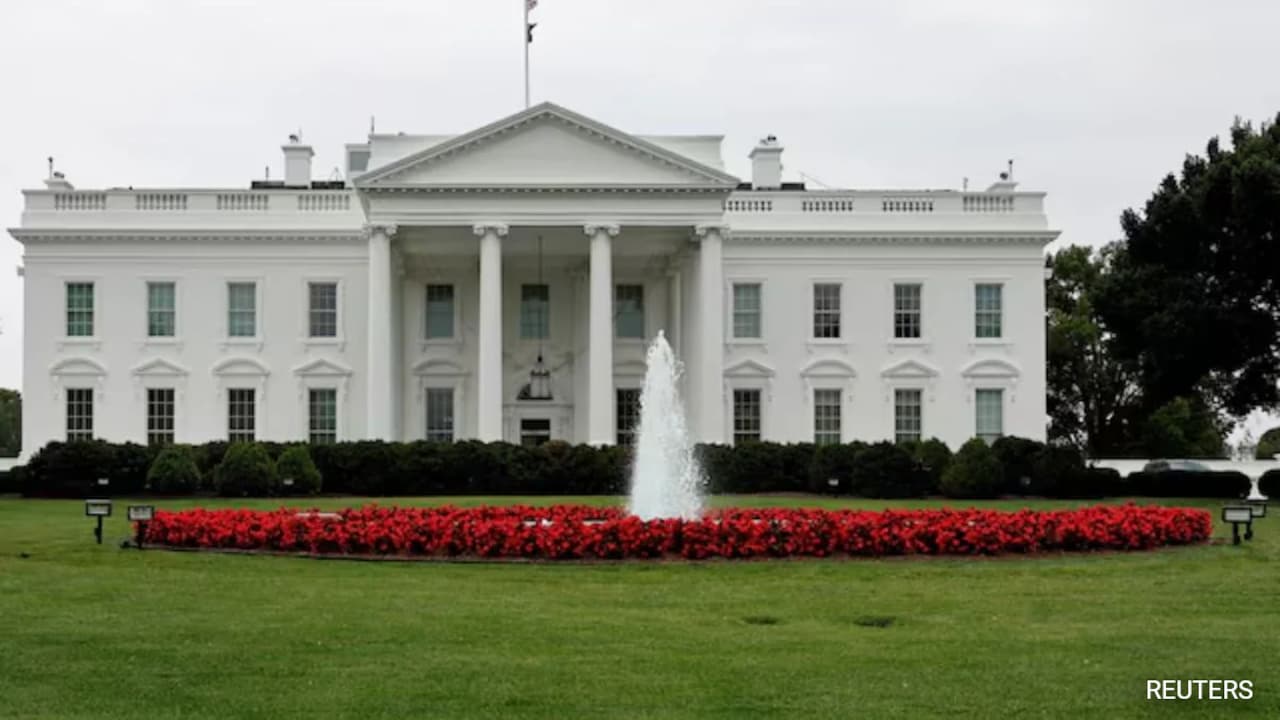
President Donald Trump has fundamentally altered the physical and symbolic architecture of the White House Rose Garden, replacing its historic central turf with a white limestone patio and populating the grounds with bronze sculptures of America’s founding figures. Rather than planting more roses, the latest phase of the garden's transformation introduces statues of George Washington, Alexander Hamilton, Benjamin Franklin, and Thomas Jefferson. This sweeping overhaul converts a storied political stage into an outdoor reception area that mirrors the aesthetic of a private Palm Beach club, sparking fresh debate over the preservation of executive estate traditions.
The modern iteration of the Rose Garden bears little resemblance to the horticultural vision laid down by Bunny Mellon under the Kennedy administration in 1962. Mellon intended the space to function as an outdoor room defined by an expansive central lawn and deep floral borders. For decades, that patch of grass served as the literal and figurative footing for presidential addresses, foreign leader receptions, and tense press briefings.
When Trump ripped out the lawn and laid down stone pavers, administration defenders pointed to practical grievances. White House officials argued that the grass presented recurring drainage challenges and made it difficult for dignitaries and staff wearing high heels to navigate the grounds. Yet the removal of the turf did more than solve a landscaping headache. It stripped away a defining texture of American political iconography, substituting organic green growth with hardscape symmetry.
The subsequent addition of bronze monuments accelerated this shift. The statuary lineup includes depictions of Washington, lent to the White House by real estate developer and Republican donor Harlan Crow, alongside representations of Hamilton and Franklin provided through anonymous contributions. The recent inclusion of a seated Thomas Jefferson—crafted decades ago by sculptor George Lundeen and shipped to Washington following a personal phone call from the president—cements a broader effort to aestheticize the West Wing grounds through permanent metal figures rather than seasonal flora.
This architectural shift aligns with a wider pattern of executive property alterations. Alongside the hardscaping of the Rose Garden, the administration has pursued major construction projects across the executive mansion complex, including plans for a ballroom and a south grounds helipad. These moves reflect a distinct philosophy of presidential space: one that favors permanence, gilded detailing, and private club comforts over the restrained, neoclassical sensibilities favored by many previous inhabitants.
Critics of the renovation argue that transforming the garden into a statuary-laden terrace diminishes its utility as a versatile diplomatic venue. Historic preservationists have long maintained that executive grounds carry public trust obligations, where modifications should respect a continuous bipartisan lineage rather than mirroring a president's private real estate portfolio. By importing the stylistic cues of Mar-a-Lago directly outside the Oval Office, the boundary between private taste and public estate dissolves entirely.
Supporters counter that the changes represent a long-overdue modernization of aging infrastructure. They view the incorporation of monumental founders not as an ideological intrusion, but as a patriotic celebration timed to coincide with the nation's milestone anniversary celebrations. In this view, the White House should actively display the nation's history in three dimensions, using bronze and stone to anchor national identity right outside the West Wing doors.
Whatever the intent, the Rose Garden is no longer defined by the delicate seasonal balance of crabapples, boxwoods, and roses. It stands instead as a hard-paved monument to a singular aesthetic vision, permanently altering how future commanders-in-chief will meet the press, host foreign dignitaries, and address the American public from the seat of executive power.