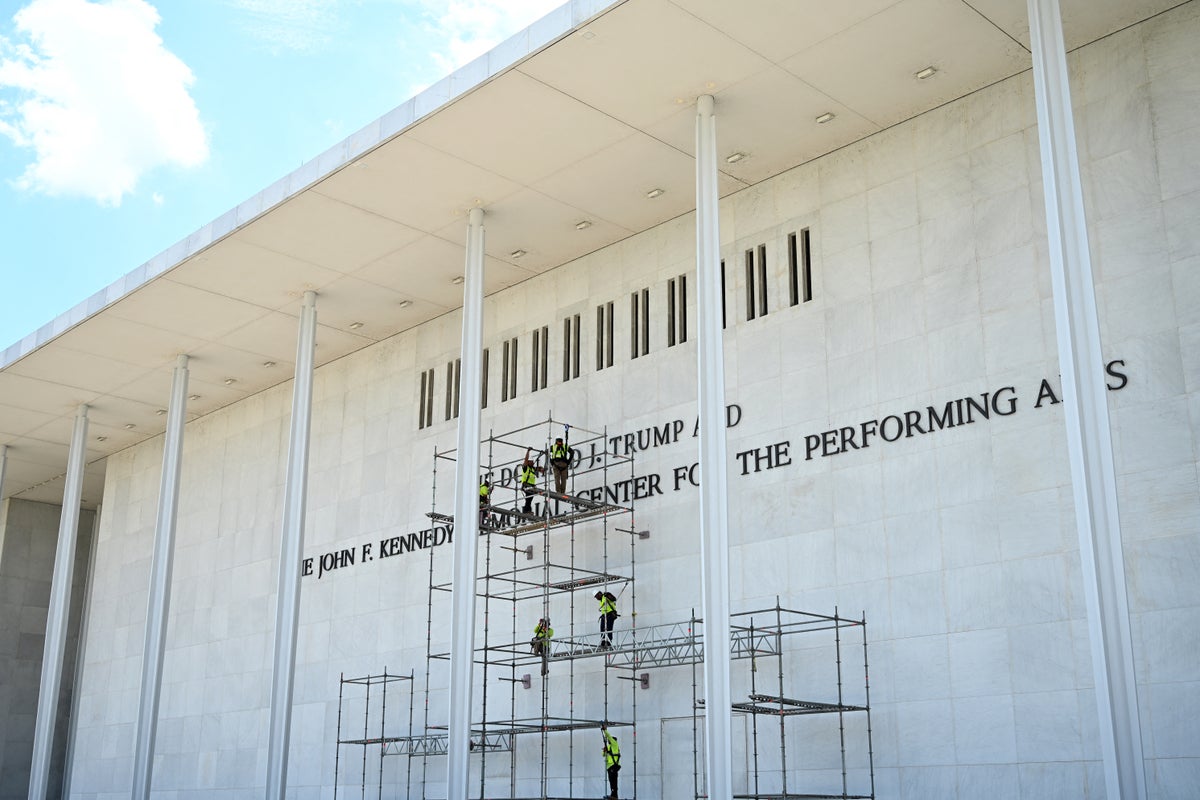
The headlines are predictable. A major cultural venue gets slated for a massive overhaul, the initial estimates double, and the comment sections fill with collective outrage over bloated budgets and government waste. The lazy consensus says we are being ripped off.
I have watched public infrastructure projects bleed cash for two decades. I have seen contractors mismanage timelines and architects draw blueprints untethered from reality. But throwing a tantrum over a ballooning price tag for a national landmark like the Kennedy Center misses the structural mechanics of how large-scale historical restoration actually operates.
Cost overruns on iconic buildings are not anomalies. They are a design feature of working with aging, monumental architecture.
The Myth of the Fixed Bid
Everyone loves a neat spreadsheet. Politicians love quoting a low number to secure funding, and the public loves believing that massive construction projects can be priced like groceries.
That expectation is a fantasy.
When you open up the walls of a Brutalist masterpiece designed in the 1960s, you do not find clean drywall and standard wiring. You find decades of deferred maintenance, hazardous materials, and engineering compromises that nobody documented properly fifty years ago.
Imagine a scenario where you buy an old house to flip. You budget ten grand for a bathroom remodel. Then you tear down the tile and discover rotting joists, outdated cast-iron plumbing, and asbestos. The bill jumps to thirty grand. Are you being scammed by the contractor, or did you just collide with reality?
Scale that up to a multi-acre performing arts monolith housing multiple theaters, complex acoustic shells, and heavy theatrical rigging. The first estimate is never a hard price. It is an educated guess based on a best-case scenario that assumes the building has no secrets. Buildings always have secrets.
The Economics of Specialized Labor
Another piece of lazy analysis is the shock over labor and material costs. Critics look at the per-square-foot price of a standard commercial office building and compare it to a specialized cultural institution.
This is an apples-to-orangutans comparison.
Restoring a venue designed by Edward Durell Stone requires artisans who understand marble facades, specialized acoustical engineering, and historical preservation mandates. You cannot pull a standard drywall crew off a suburban housing development and drop them into a federal performing arts center.
The talent pool capable of executing this work safely and correctly is microscopically small. When supply is low and demand for specialized historic restoration spikes, prices rise. Refusing to pay for top-tier execution does not save money. It results in a botched job that costs triple to fix five years down the line.
What the Critics Get Wrong About Value
The central flaw in the outrage narrative is how we define return on investment for cultural infrastructure.
Critics ask why we are spending millions on marble and stage lighting when other public services need cash. It sounds noble, but it is a false dichotomy. Cities and nations do not choose between structural upkeep and social programs by shifting a single pool of money back and forth like a shell game.
Cultural landmarks function as economic anchors for their surrounding districts. Restaurants, hotels, parking garages, and transit systems feed off the foot traffic generated by a premier venue. A modernized Kennedy Center with upgraded production capabilities attracts global talent, drives tourism revenue, and maintains the city's status as a cultural capital.
When you skimp on a landmark, you degrade the asset. A rotting cultural center does not save taxpayers money; it becomes a derelict anchor that drags down property values and community morale.
The Downside of My Argument
I will grant the critics this: mismanagement is real.
Just because cost overruns are common does not mean every dollar spent is optimized. Bureaucratic red tape, political favoritism in contract bidding, and poor oversight can inflate a budget far beyond legitimate engineering surprises. When oversight fails, taxpayers end up footing the bill for administrative bloat rather than structural necessity.
Admitting that does not validate the shock over the headline numbers. It means our frustration is directed at the wrong target. We should not be angry that the project costs double; we should be auditing how efficiently the administrative machinery spends that money once the envelope is opened.
The Real Question
Stop asking why the estimate doubled.
Start asking whether we actually want a world-class cultural institution or a crumbling concrete box that we patch with duct tape until it falls down.
You cannot buy a Ferrari on a Honda Civic budget. And you certainly cannot restore a national monument by wishing the laws of physics and inflation away.
Pay for the renovation, demand strict accountability from the project managers, and stop pretending that excellence comes on sale.


