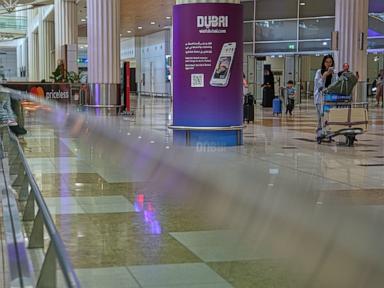
If you think a world-class aviation hub is invincible, the numbers coming out of Dubai International Airport right now will make you blink.
The Middle East's premier transit gateway just reported a staggering 31.3% drop in passenger traffic for the first half of the year, bringing total travelers down to 31.5 million. The second quarter alone saw passenger numbers sink to 13 million, a direct casualty of the regional war sparked by the military actions involving the United States, Israel, and Iran that kicked off on February 28.
For years, DXB operated as an unstoppable machine, shrugging off minor economic tremors and setting record highs. But airspace closures, widespread flight cancellations, and hesitant travelers rewriting itineraries to avoid the Gulf changed the math overnight.
The Anatomy of the Drop
When regional skies face sudden security constraints, a massive hub like Dubai feels the pain faster than almost anyone else. Aircraft movements plummeted 32.1% to 150,600 total for the half, with the second quarter bearing the brunt of reduced airline schedules.
Cargo didn't escape the damage either. Total tonnage handled dropped 28.7% to 751,340 tonnes over the six-month stretch. Supply chains that rely on the rapid transit of goods through the Emirates experienced major bottlenecks as airlines scrambled to reroute or ground aircraft.
You have to look at how international carriers reacted to understand the scale. About 50 international airlines were actively serving DXB by the end of the period, down significantly from normal operating capacity as European and global carriers paused routes. When the airspace became a geopolitical flashpoint, the ripple effects hit global jet fuel prices and forced carriers to fly longer, more expensive paths around the region.
The Monthly Climb Back Up
Look past the grim headline numbers and you will find a different story taking shape month by month. The crisis didn't flatten Dubai permanently; instead, it triggered a sharp trough followed by a steady, gritty climb.
Traffic bottomed out during the height of the disruptions, but the recovery gathered real pacing as the quarter progressed. Monthly guest numbers tell the tale clearly:
- April: 3.5 million passengers
- May: 4.5 million passengers
- June: 5.0 million passengers
That upward trajectory shows that consumer demand hasn't vanished. People want to fly, and they want to transit through Dubai. The moment airlines restored frequencies and relaxed travel advisories, the passengers came back through the gates.
Airport CEO Paul Griffiths noted that the first half tested every single facet of the aviation system. Yet, the underlying operational resilience kept the hub functional even when minor infrastructure damage from regional incidents needed immediate repair.
What This Means for Global Travel
If you are booking long-haul flights between Europe, Asia, or Australia right now, you are likely noticing ticket prices and route availability stabilizing compared to the chaos of March and April.
Airlines are slowly bringing widebody fleets back onto Middle Eastern paths. Load factors are climbing back toward pre-crisis levels, meaning planes are filling up again despite the higher operating costs driven by longer detours.
Dubai remains a linchpin for global connectivity. Because international transfer traffic makes up the vast majority of DXB's business model, any recovery here signals a broader healing process for international aviation networks at large.
Watch the upcoming winter schedule closely. If key European carriers fully restore their pre-war flight frequencies and regional stability holds, the second half of the year will wipe away much of the red ink from the ledger. The bounce back won't happen overnight, but the worst of the turbulence is firmly in the rearview mirror.