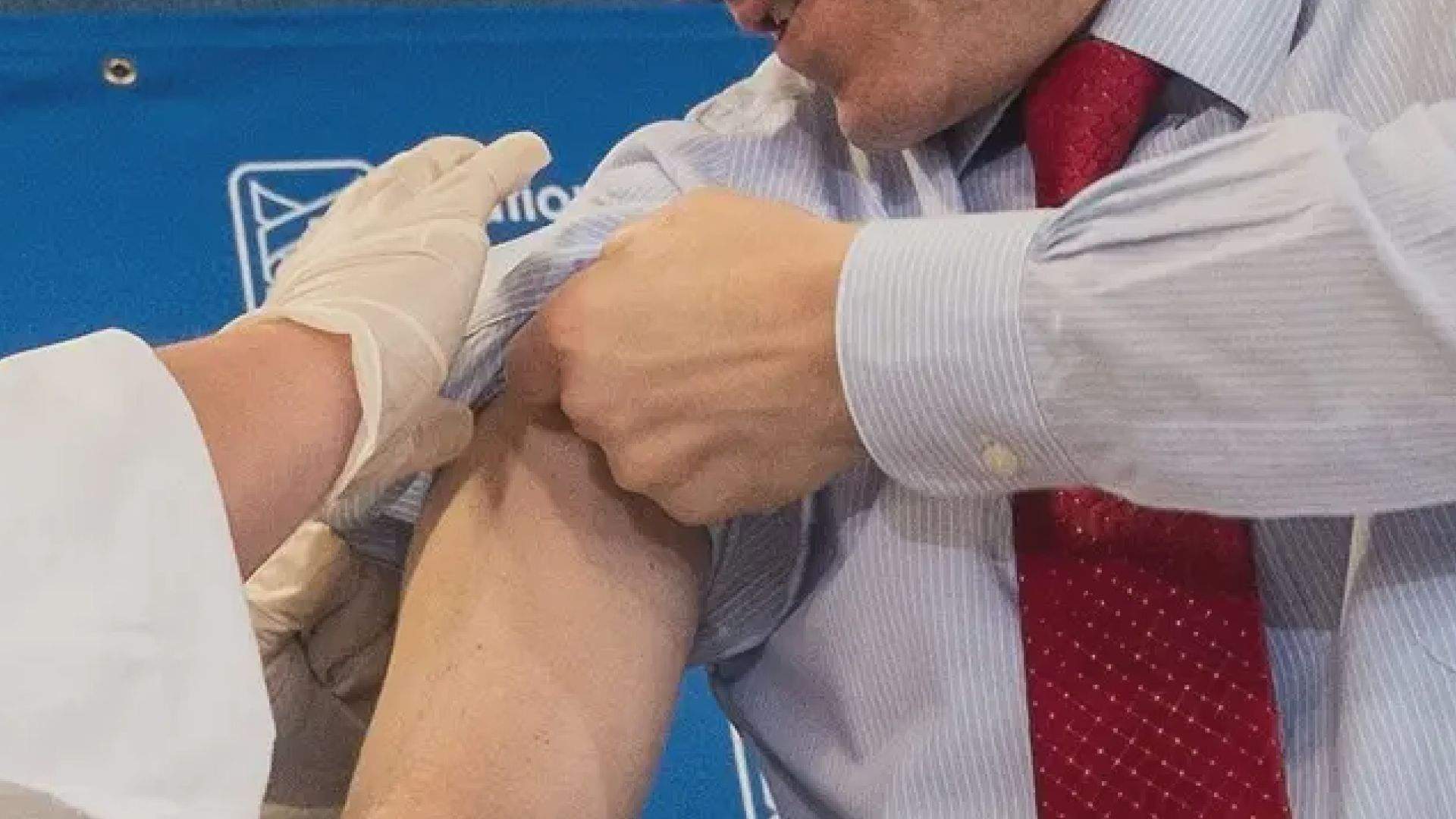
Booking a flu shot the millisecond October appointments open feels proactive. It is often a reflex built on bad framing.
Standard headlines treat an "early flu season" like a freight train that already hit the station. They push a simple formula: season arrives early, book early, problem solved.
That lazy consensus misses how respiratory viruses behave, how vaccine protection decays, and why Quebec ended universal free flu shots for healthy adults this fall.
I have spent years watching health systems and corporate wellness teams burn budget on calendar-driven campaigns that peak too soon and leave people exposed in late winter. Watching a client spend six figures on September and October clinic days only to watch sick leave spike in February is a painful lesson in timing.
The Myth of "Get It As Soon As Possible"
"Get your flu shot as soon as it becomes available" sounds like common sense. Biologically, it is a gamble.
Antibody titers against influenza do not sit frozen at full strength for twelve months. Protection wanes over a single season—especially in older adults and people with lower baseline responses—which is why timing matters as much as strain selection.
Influenza is also a shape-shifter. Hemagglutinin and neuraminidase spikes mutate continuously through antigenic drift, while the virus packs eight segmented RNA strands inside a lipid bilayer. Getting vaccinated early locks in protection against the initial circulating strains and starts the clock on waning immunity before peak winter circulation hits.
Epidemiologists like Arnold Monto and institutions such as the CDC and Canada's National Advisory Committee on Immunization (NACI) have studied this exact trade-off for years. Getting vaccinated too early can leave vulnerable people with thinner protection late in the season. Getting vaccinated too late leaves them exposed during an early rise.
Imagine a scenario where a 72-year-old in Montreal books an appointment in early October because headlines scream about an early season. Peak antibody response takes roughly two weeks. By late January or February—when a second wave or prolonged winter circulation rolls through—their peak protection has already started to fade.
Why Quebec Changed Who Pays
When Quebec opened fall flu bookings in October 2026 amid early activity warnings, one shift got buried beneath the rush: universal free access for the general public ended, while eligibility focused on higher-risk groups, household contacts, caregivers, and healthcare workers. Healthy adults outside those groups pay out of pocket, typically around $30 to $50.
Standard reporting frames that shift purely as a budget squeeze or a booking hurdle. That is only half the story.
From a population-health standpoint, seasonal influenza vaccines reduce severe illness, hospitalization, and death far more reliably than they stop every mild infection or halt community transmission completely. Concentrating public funds on high-risk groups—adults 65 and older, infants and young children, pregnant people, those with chronic heart, lung, kidney, or metabolic conditions, and people around them—targets the highest return per public dollar.
| Audience Group | Standard Headline Advice | Contrarian Operational Take |
|---|---|---|
| Adults 65+ & High-Risk Groups | Rush in the second a slot opens. | Aim for the window that covers both early rise and late-season waves—ideally October into early December, guided by local circulation. |
| Healthy Working-Age Adults | Treat it as mandatory emergency armor. | Weigh personal risk, household exposure, and out-of-pocket cost; vaccine effectiveness varies year by year. |
| Parents of Young Infants | Rely on herd immunity from clinics. | Vaccinate household members and caregivers—infants under six months cannot get the shot directly. |
| Employers & Schools | Run a single October blitz and declare victory. | Pair timed vaccination access with sick-leave norms, ventilation, and mid-winter reminders. |
The Questions You Should Actually Be Asking
People ask the wrong questions every autumn because they treat influenza like a single monolithic event.
"If flu season starts early, should I get vaccinated in September or October?"
That question assumes the entire season moves forward in lockstep. Sometimes a season starts early and fizzles; sometimes an early bump precedes a drawn-out winter slog.
For most people, mid-to-late autumn—October through early December in northern climates—remains the practical sweet spot to build immunity ahead of peak winter spread without burning through protection too early. If you are severely immunocompromised or have specific medical factors, ask a clinician rather than guessing from a news ticker.
"If I'm healthy, is paying for the shot worth it?"
Honest answer: sometimes yes, sometimes no—and anyone pretending the math is identical for everyone is selling certainty that does not exist.
A healthy 28-year-old working remotely faces a very different risk profile than a healthy 28-year-old living with a newborn, caring for an elderly relative, or working in a crowded setting. Paying roughly $30 to $50 makes more sense when you want to cut your odds of missing two weeks of work or bringing a virus home to someone fragile. If your main goal is avoiding a mild three-day fever and your risk of severe outcomes is low, paying out of pocket is a personal trade-off, not a moral failing.
"Can I just stack flu, COVID-19, and RSV shots in one visit?"
Yes—co-administration is practical and widely used in clinics and pharmacies. Convenience saves time and gets multiple protections on board in a single trip.
The catch is logistical and physical. Getting multiple vaccines at once can temporarily increase mild local soreness or next-day fatigue, and eligibility rules differ by vaccine—for instance, public RSV coverage is much narrower than seasonal flu eligibility. Check what you actually qualify for instead of assuming every shot in the pamphlet is free or needed at the exact same moment.
Where My Contrarian Take Can Bite You
Pushing back against early-season panic has a real downside: hesitation.
If people hear that vaccines do not guarantee zero infections or that immunity wanes, some wait too long, get caught by an early local surge, or skip protection they genuinely needed. Worse, a contrarian mindset can turn into smugness—assuming you are "healthy enough" right up until a nasty strain knocks you flat or lands a relative in the hospital.
Timing nuance is not an excuse to procrastinate indefinitely. It is a call to be deliberate.
A Smarter Playbook for This Season
- Audit your household and risk circle first. Check whether you or anyone in your home falls into a higher-risk or caregiver category, and verify current eligibility and out-of-pocket fees before booking.
- Time the appointment for durability, not headline adrenaline. Aim to get vaccinated in the October-to-early-December window so immunity ramps up ahead of peak winter spread without running out of gas early.
- Combine visits when it saves friction. If you are eligible for more than one seasonal vaccine—such as flu and COVID-19—handle them in one visit when a single recovery day fits your schedule.
- Stop treating the shot as a force field. Keep indoor air moving where you can, stay home when symptomatic instead of "powering through" the office, and plan ahead for care options before clinics and urgent care lines get slammed.
A calendar alert does not beat a mutating virus; smart timing does.