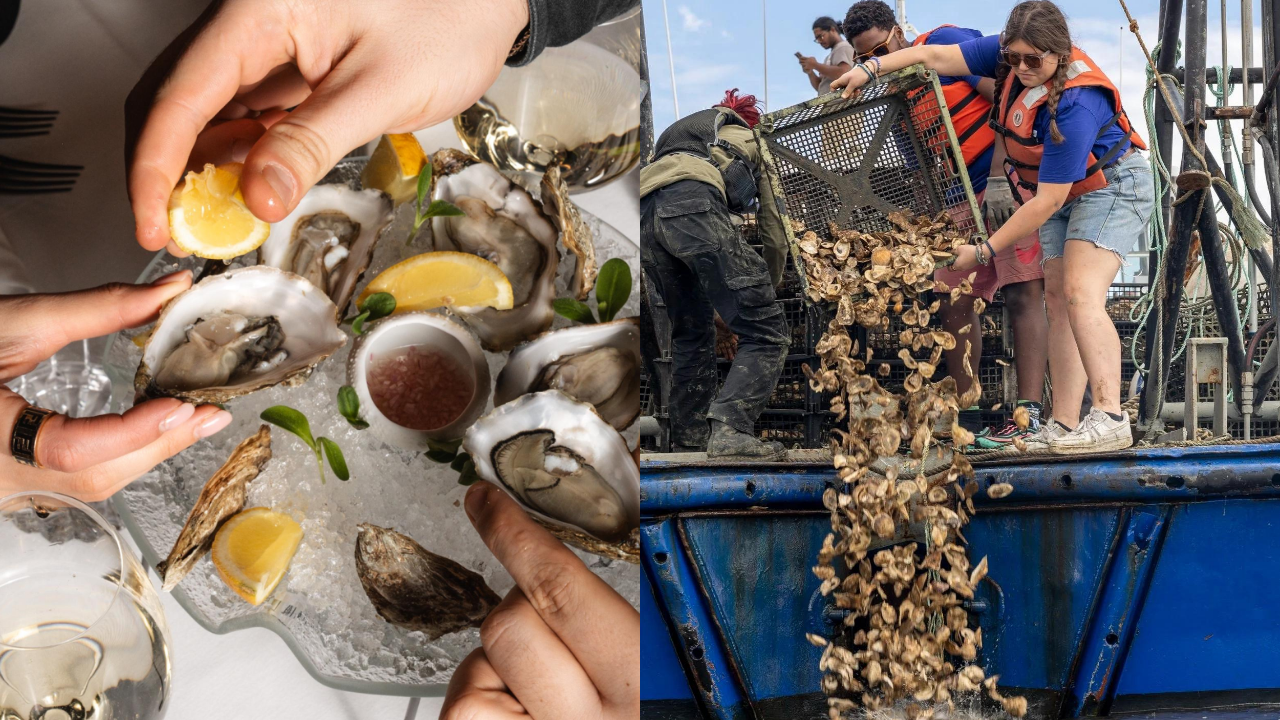
Urban hospitality operations generate a continuous stream of marine calcium carbonate that is structurally identical to the material required to rebuild degraded coastal barriers. New York City restaurants alone divert approximately 800 pounds of oyster shells daily from municipal waste streams, channeling them back into estuarine restoration initiatives. Evaluating this process requires looking past the superficial feel-good narrative of local recycling and examining the hard operational constraints, logistics costs, and biological mechanics that dictate whether shell recovery can scale into a viable infrastructural model.
The Logistical Friction of Organic Waste Diversion
Moving heavy, wet organic matter out of a commercial kitchen and into an intertidal zone is an operational challenge defined by strict sanitation codes and heavy transportation costs. Standard municipal waste collection handles refuse in an undifferentiated manner. Extracting a single high-value stream like bivalve shells demands specialized handling at the point of origin. If you liked this piece, you should read: this related article.
Kitchen staff must separate shells from food scraps, napkins, and plastic utensils. Contaminated shells introduce pathogens and foreign debris that complicate curing processes at the destination site. This segregation introduces labor friction in high-volume environments where kitchen throughput dictates profitability.
Transport efficiency represents the next major bottleneck. Shells are dense, heavy, and wet. A daily volume of 800 pounds requires dedicated pickup schedules, fuel expenditure, and container management. When collection networks rely on volunteer drivers or underfunded non-profits, route density suffers. Without route optimization, the carbon footprint of the collection trucks can easily offset the ecological gains of the reef restoration itself. For another perspective on this event, check out the latest coverage from Financial Times.
Curing Protocols and Pathogen Mitigation
Raw shells cannot be dumped directly into marine environments immediately after clearing a restaurant table. Biosecurity protocols mandate an aging or curing phase to eliminate human pathogens, bacteria, and residual organic tissue that could trigger localized oxygen depletion or disease transmission in fragile estuarine waters.
Standard regulatory compliance typically requires outdoor curing exposed to ambient ultraviolet radiation, precipitation, and microbial breakdown over several months. This weathering phase transforms a wet, odorous restaurant byproduct into clean, sterile calcium carbonate substrate ready for biological colonization.
Restaurant Point of Origin (Segregation)
       ↓
Logistical Transit (Route-Optimized Collection)
       ↓
Biosecurity Curing (UV Weathering & Tissue Breakdown)
       ↓
Inoculation / Seeding (Spat Attachment)
       ↓
Intertidal Deployment (Reef Foundation)
The primary economic variable during this phase is real estate. Curing yards require accessible acreage near urban waterways to minimize final-mile transport costs. In major metropolitan areas like New York, industrial waterfront land is intensely contested and expensive. Operations that fail to secure low-cost staging yards face severe scalability ceilings.
The Biological Mechanics of Substrate Seeding
Once cured, the strategic utility of the shell shifts from waste management to structural engineering. Oyster larvae, known as spat, require a hard, calcitic surface to settle and metamorphose. Smooth synthetic surfaces fail to trigger this biological response; rough, chemical-matched bivalve shells provide the ideal microtopography for attachment.
The restoration architecture relies on forming three-dimensional reefs that attenuate wave energy, reduce shoreline erosion, and filter suspended particulate matter from the water column. A single adult oyster filters up to fifty gallons of water daily, meaning that every ton of recovered shell deployed into the estuary directly enhances regional water quality metrics.
However, the success of this deployment depends on hydrodynamic modeling. If shells are dropped into areas with excessive sedimentation, they bury before spat can colonize them. If placed in excessively high-energy currents without structural containment (such as gabion baskets or reef castles), the material disperses uselessly across the benthic floor.
Economic Deficits and Funding Structures
The recovery of restaurant shell stock does not operate under a traditional profit motive. The market value of recycled calcium carbonate is lower than the cost of collection, transport, sanitation, and monitoring. This economic reality creates a structural funding gap that must be bridged by external capital.
Programs sustained entirely by philanthropic grants or corporate sustainability sponsorships remain perpetually vulnerable to macroeconomic downturns. To achieve long-term viability, shell recovery must integrate into municipal waste avoidance frameworks where restaurants receive tipping fee exemptions or regulatory credits for verified diversion metrics.
When waste management companies factor in the avoided tipping fees of heavy organic matter diverted from landfills, the cost equation shifts. Landfill diversion mandates and commercial organic waste laws provide the regulatory pressure necessary to force structural participation from high-volume seafood establishments.
Scaling the Infrastructure
Transitioning from localized pilot programs involving a handful of compliant restaurants to a city-wide infrastructural loop requires standardized containerization, municipal hauling integration, and dedicated processing depots.
Future expansion depends on treating restaurant shells not as a charitable donation project, but as a regulated industrial feedstock for coastal resilience engineering. Establishments participating in the recovery network should be integrated into municipal green-business certification tiers, providing direct marketing differentiation while shifting the logistical burden from fragile volunteer networks to consolidated municipal waste contractors.
Operators looking to implement or expand shell diversion programs must establish rigid point-of-origin sorting protocols, partner with established regional haulers to minimize transit overhead, and secure long-term land access for multi-month curing cycles prior to any estuarine deployment.