The map of Alaska is not a drawing of land. It is an argument between stone and water, punctuated by distances that mock the human clock. Four hundred and fifty miles west of Anchorage, past the jagged shoulders of the mainland and out toward the Bering Sea salt-spray, the earth runs out of breath. Here sits Cape Newenham.
To the casual observer looking at a satellite feed, Cape Newenham is just a collection of geometric white domes and weathered asphalt clinging to the southwestern tip of the state. It is a sentinel post, part of the invisible electronic web that watches the northern frontier. But on a Thursday afternoon under a heavy northern sky, this brutal edge of the world became something else entirely. It became the final resting place for eight souls who boarded a twin-engine Cessna 441 with a flight plan and a job to do.
Quietly, routinely, the civilian-contracted aircraft lifted off from Ted Stevens Anchorage International Airport. Inside were two experienced pilots at the controls and six passengers—among them, skilled specialists including personnel from the U.S. Army Corps of Engineers—bound for the isolated long-range radar site. In a place like Alaska, commuting is never a simple drive down an interstate. It is an aviation gauntlet. Weather systems shift in minutes, turning pristine visibility into a disorienting whiteout or a low-slung ceiling of fog that swallows mountain ridges whole.
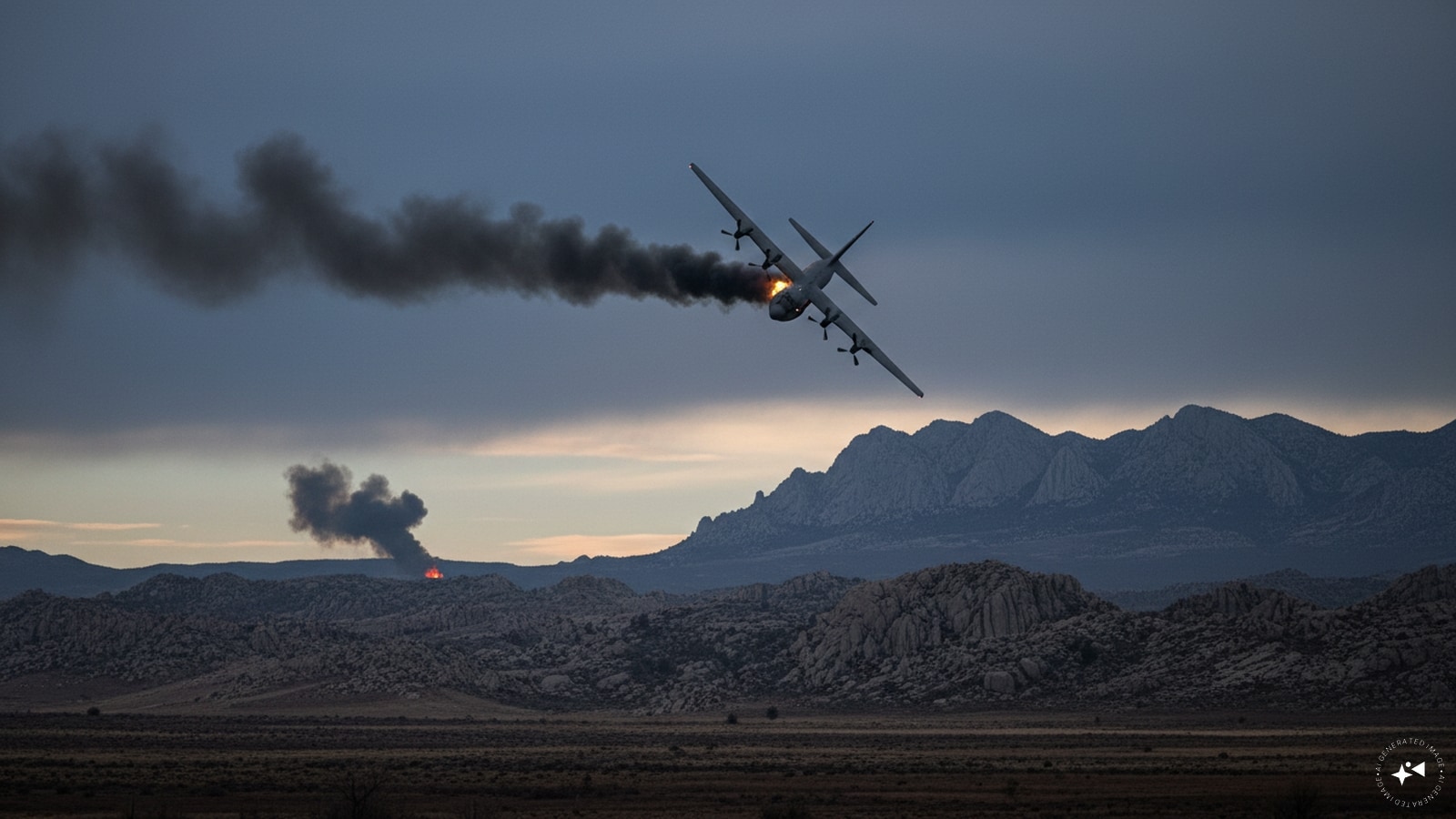
At approximately 12:15 local time, the journey ended not on the runway, but on the unforgiving land near the airport perimeter.
Consider what happens next in these infinite quiet zones. When an emergency beacon stabs the airwaves or a scheduled check-in lapses into static, a massive, silent machinery grinds into motion. The Alaska Rescue Coordination Center, backed by the Coast Guard, State Troopers, and local recovery teams, mobilized instantly. They pushed into terrain where nature offers no quarter. But when the first rescue personnel touched down near the wreckage, the cruel geometry of the crash site delivered its verdict: no survivors.
Eight human beings. Eight lives anchored by families, coworkers, and routines, extinguished in a fraction of a second on a desolate bluff.
Lieutenant General Robert Davis, commander of the Alaskan Command, voiced the immediate grief of an entire military and civilian community, noting that the victims were dedicated professionals executing a vital mission in an environment that demands absolute perfection. Words like "vital mission" often sound clinical on a news broadcast. They evoke abstract notions of national defense and radar tracking. But behind those words are real people—engineers, technicians, and pilots who maintain the physical infrastructure that keeps millions safe across the continent. They walk into the wind so others never have to feel it.
Now, the Federal Aviation Administration and the National Transportation Safety Board must sift through the cold mechanics of tragedy. Investigators will analyze flight paths, maintenance logs, wind shear dynamics, and telemetry data. They will look for answers in twisted aluminum and burned fuel. Yet no report, no matter how exhaustive, can truly measure the weight of an empty chair at a dinner table in Anchorage or the sudden, suffocating silence that fills a home when a loved one does not return from the northern frontier.
Alaska demands a high tax for the privilege of its vastness. It takes our awe, our sweat, and, on days like this, it takes our people.
The radar domes at Cape Newenham will keep spinning, scanning the cold horizon for aircraft crossing the edge of the world. But today, the sky above the cape feels heavier, reminding everyone who works beneath it of how thin the margin is between a routine flight and eternity.