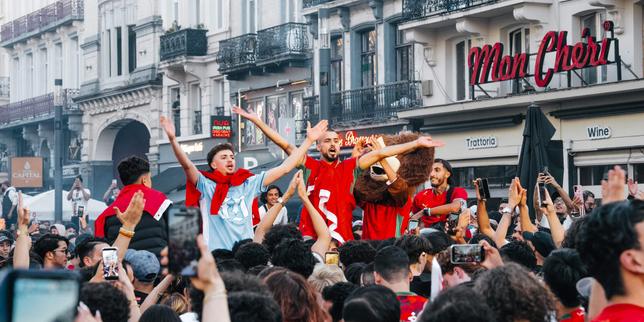
Heartbreak is a casual word for what happened in Atlanta. What Egypt experienced against Argentina wasn't just a tough loss. It was a sporting tragedy wrapped in a layer of absolute controversy. Leading 2-0 against the defending World Cup champions with only eleven minutes left on the clock should mean a ticket to the quarterfinals. Instead, the Pharaohs are heading home after a 3-2 defeat that leaves a bitter taste in the mouth of anyone who values fair play.
You can talk about Argentinian resilience all day. You can praise Lionel Messi's inevitable magic. But if you watched the match, you know Egypt didn't just play against eleven men in blue and white stripes. They played against a narrative that felt too big to fail.
The Disallowed Goal That Changed Everything
Football matches turn on single moments. In the 59th minute, Mostafa Ziko finished off a breathtaking team move to give Egypt what looked like a solid 2-0 lead. The stadium erupted. Egyptian fans were already dreaming of a historic quarterfinal spot. Then came the video assistant referee.
The goal was chalked off for an alleged foul earlier in the buildup. It was a soft call that broke Egypt's momentum. While Ziko eventually found his second goal in the 67th minute anyway, the psychological damage of that VAR intervention shifted the energy of the entire stadium.
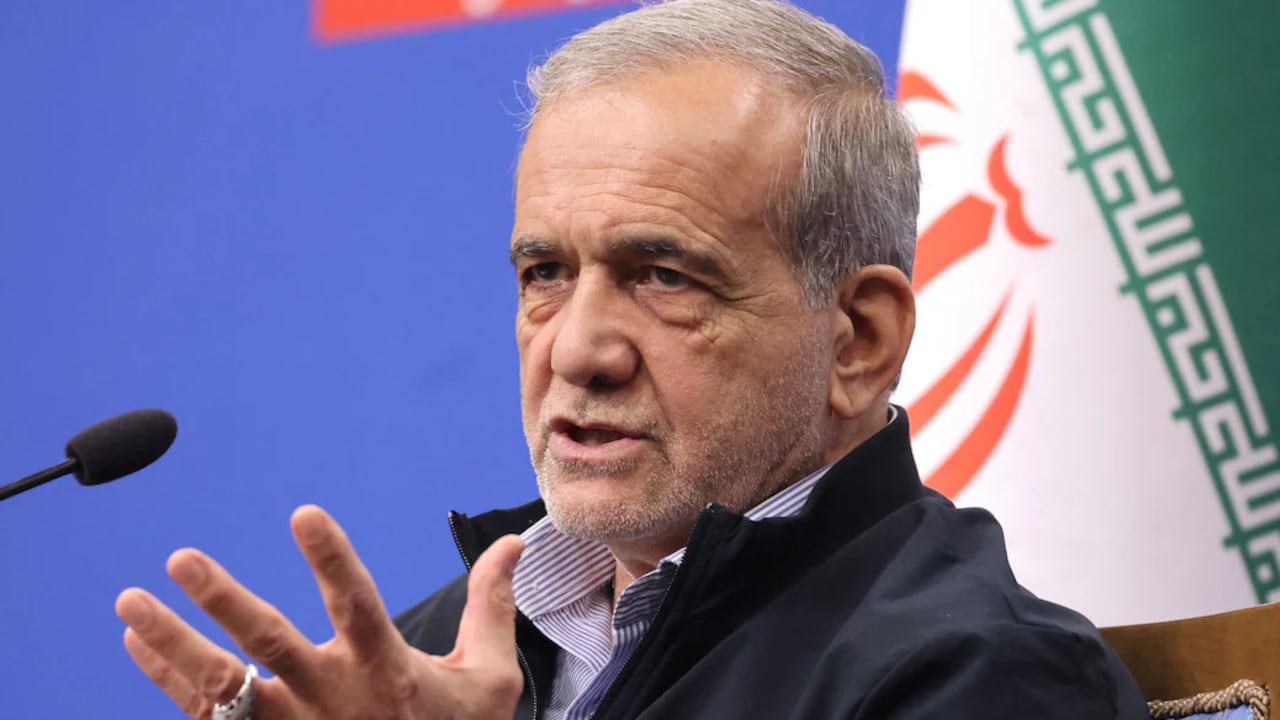
Referees have a difficult job. Everyone knows that. But when a decision feels manufactured to give a giant breathing room, it stings. Egypt coach Hossam Hassan didn't hold back in his post-match press conference. He called the defeat unjust. He openly stated that marketing forces wanted the previous champions and Messi to stay in the tournament. It's a heavy accusation, but looking at how the whistles blew, can you blame him?
A Collapse or a Bad Whistle
Let's look at the final minutes. Cristian Romero gave Argentina life in the 79th minute. Then Messi made amends for his earlier penalty miss—which was brilliantly saved by Mostafa Shobeir—by leveling the score in the 83rd minute.
The real insult happened in injury time. Before Enzo Fernandez scored the winning header to seal the 3-2 comeback, Egyptian players were furious about an uncalled foul by Alexis Mac Allister in the buildup. The referee waved play on. Argentina scored. The game ended.
"No fair, no fair, referee, no fair. Injustice, clear and obvious injustice," Mostafa Ziko said through tears after the final whistle. "He is wasting the efforts of an entire country."
The frustration isn't just about losing. It's about feeling like you never had a chance to win. Egypt played brilliant counterattacking football. They exploited Argentina's defensive gaps. Mohamed Salah initiated moves with precision, and Haissem Hassan terrorized the flanks. They did everything right.
Building on the Greatest World Cup Run in Egyptian History
The anger will take a long time to fade. It should. But once the dust settles, Egypt needs to look at the massive breakthrough this tournament represents.
Before this campaign, Egypt had never even won a single World Cup match in their history. Their appearances in 1934, 1990, and 2018 ended without a celebration. This year, they beat New Zealand, stood toe-to-toe with Belgium, and knocked out Australia in a thrilling penalty shootout. They reached the knockout rounds and proved they belong on the big stage.
The Egyptian Football Association must use this painful exit as fuel rather than a reason to dismantle the system. Hossam Hassan has proven he can organize a tactically disciplined team capable of frightening the best squads in the world. The domestic league is producing talents like Shobeir, who showed world-class reflexes on the biggest stage.
Instead of sinking into despair, the immediate next step is securing this squad's foundation. The coaching staff needs an immediate contract extension to ensure continuity. Scouting networks must expand deeper into European youth academies to find more dual-national talents like Haissem Hassan. The qualification cycle for the next major tournaments starts soon, and Egypt cannot afford a hangover from this Atlanta disaster. They showed they can outplay the world champions. Now they need to make sure no referee can take the next one away from them.