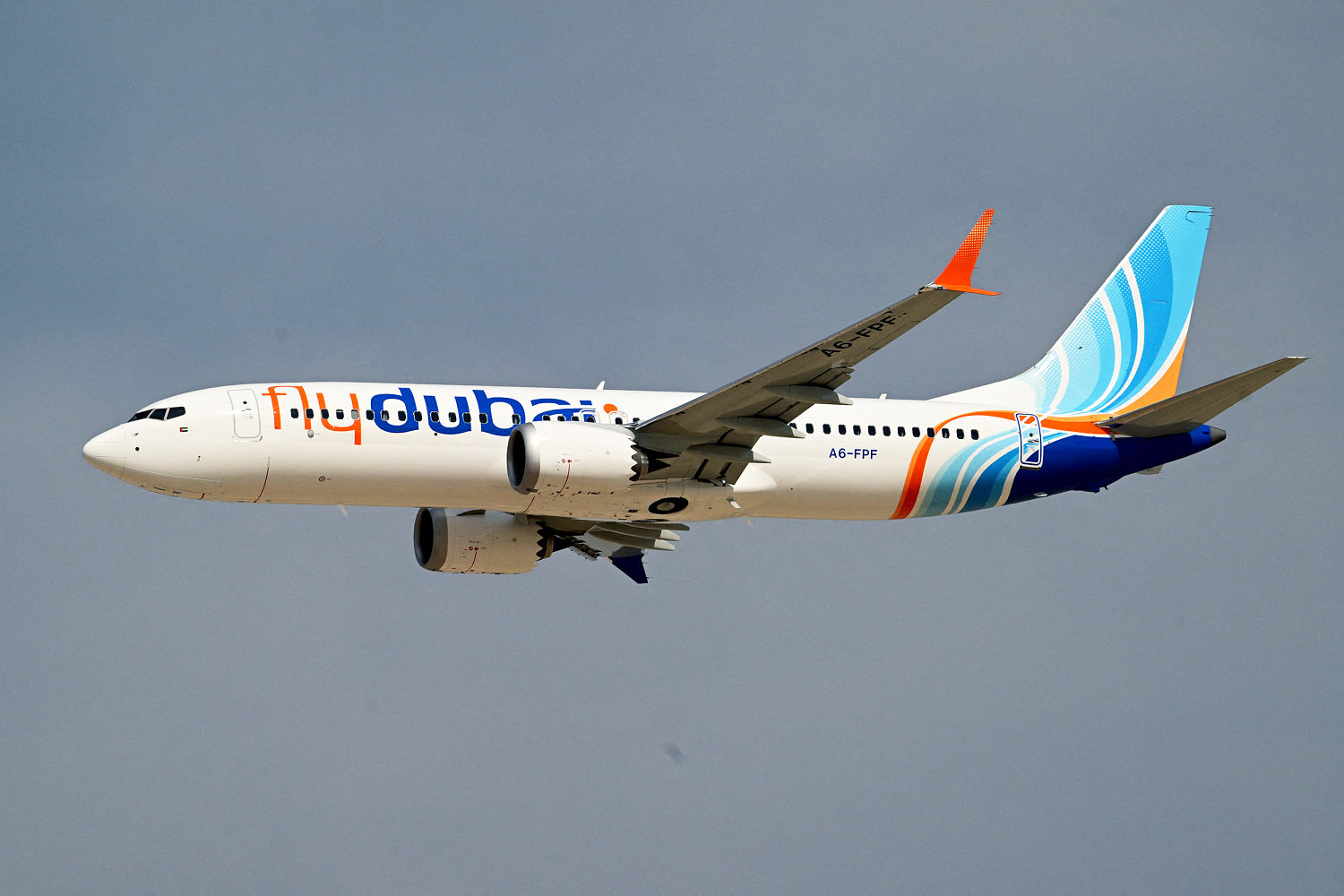
Every time a commercial airliner drops off its filed flight path and touches down in a territory traditionally viewed with diplomatic frostiness, the armchair panic merchants lose their minds. When a regional carrier operating a routine maritime corridor finds itself setting down on a tarmac in the Kingdom instead of its intended destination, the media machine immediately spins a breathless narrative of geopolitical brinkmanship, mechanical terror, or hidden threats.
Stop buying the hysteria.
I have spent decades watching aviation commentary descend into a theater of sensationalism, where commentators who cannot distinguish between a primary radar return and a transponder squawk treat standard operational safety protocols like acts of war. The lazy consensus surrounding unscheduled aircraft diversions relies on a fundamental misunderstanding of how international civil aviation actually functions beneath the glossy marketing brochures.
The Protocol Myth
The mainstream narrative treats air traffic routing like a rigid highway system painted across the sky. If you veer off it, you must be in trouble. The reality of modern flight dispatch is far more pragmatic.
When an aircraft captain registers an anomaly—be it a flickering sensor, a medical emergency in row twelve, or a minor cabin pressure fluctuation—the decision tree is ruthlessly simple. You do not calculate geopolitical optics. You do not check which nation has a friendly embassy. You look at the nearest suitable runway with the right length, the right lighting, and the right emergency services standing by.
Saudi airspace is not a black hole. It is one of the most heavily monitored, structurally advanced air traffic control grids in the Middle East. When a flight from the United Arab Emirates diverts toward a Saudi facility after a cockpit alert, the aviation system is doing precisely what it was engineered to do. Sovereign airspace boundaries dissolve instantly under international aviation conventions when a crew declares an urgency.
Yet, headlines frame these events as diplomatic thrillers. They want you to believe that a commercial jetliner caught in a mid-air drama is a pawn in a high-stakes chess match. It is not. It is a hydraulic valve, a cockpit warning light, or a passenger clutching their chest.
Why Passengers Panic Because the Media Refuses to Educate
The average traveler steps onto a widebody jet with zero literacy regarding aviation redundancy. Passengers assume that if a plane changes course, catastrophe is thirty seconds away.
Commercial aviation is paranoid by design. Systems are duplicated, triplicated, and quadruplicated. If a crew receives an electronic warning that a cargo hold door seal might be compromised at altitude, standard operating procedure mandates an immediate diversion. They do not wait to see if the door actually rips open. They put the wheels down on the closest strip of concrete.
When that strip happens to be across a political demarcation line that routinely makes front-page news, the narrative machinery converts routine technical prudence into political theater.
Imagine a scenario where a pilot flying over a contested region experiences an oil pressure drop in engine number two. The engines are rated to fly on a single power plant for hours. The aircraft is in no immediate danger of falling out of the sky. But regulatory frameworks and company safety management systems demand an immediate landing at the nearest certified diversion airfield.
The captain selects the closest viable runway. It happens to belong to a neighbor with whom bilateral ties have historically been complex. The plane lands, fire trucks roll out as a precautionary measure, engineers inspect the cowling, and passengers spend three hours in a transit lounge drinking lukewarm coffee.
Where is the geopolitical conspiracy? There is none. There is only cold, hard engineering logic colliding with an ignorant public eager for a thriller.
The Real Risk Is Not the Diversion It Is the Commentary
The danger in our current information ecosystem is not that commercial airliners occasionally have to land unexpectedly. Diversions happen thousands of times a day globally for everything from unruly passengers to cracked windshields.
The real risk is the erosion of public trust in technical competence driven by commentators who mistake routine operational safety for crisis. Every time a standard safety diversion is dressed up as a geopolitical incident, we train the public to second-guess the people at the controls.
When a pilot decides to drop altitude and divert, they are not consulting a foreign minister. They are consulting an operations manual written in the blood of past aviation lessons. They are choosing the path of maximum boredom, which in aviation is always the path of maximum safety.
Next time you see a headline screaming about a diverted flight making an unexpected landing in a neighboring state, ignore the map graphics and the breathless punditry. Understand that millions of tons of heavy metal are being managed by professionals who care infinitely more about a boring, uneventful arrival than whatever political narrative the internet is trying to manufacture today.
Let the system do its job. Turn off the news alert.