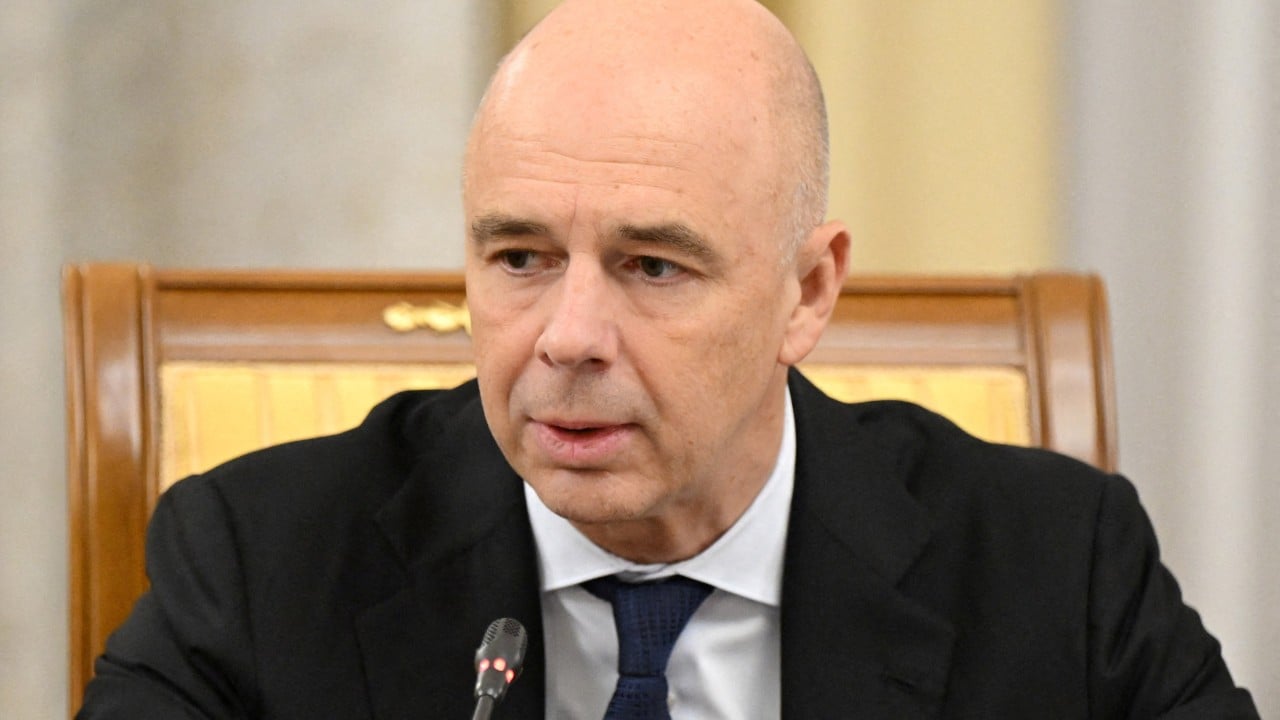
Diplomacy rarely happens behind closed doors. More often, it happens in plain sight through deliberate absence. When European officials stood up and walked out of the room during the International Monetary Fund meetings as the Russian delegation took the floor, the empty seats spoke louder than any prepared statement could have managed.
This staged exit was not a spontaneous outburst of frustration. It was a calculated escalation in a multi-year economic conflict that has steadily eroded the architecture of post-war global finance. For decades, institutions like the IMF and the World Bank operated under the assumption that monetary policy and technical cooperation could remain insulated from geopolitical hostilities. That illusion has finally shattered.
To understand why a mass walkout by European finance ministers matters, we have to look past the theater of the conference hall and examine the structural fractures threatening the global monetary order. The core premise of the IMF was simple: provide a neutral forum where member states could stabilize currencies and coordinate macroeconomic policy, regardless of political disagreements.
That neutrality depended on a shared commitment to the international rules-based system. When one major power initiates a conflict of territorial aggression, the foundational premise of shared financial governance collapses. The walkout represents a profound institutional crisis. It signals that Western democracies no longer view multilateral economic forums as spaces for engagement with Moscow, but rather as battlegrounds where containment takes precedence over cooperation.
The immediate casualty of this diplomatic freeze is the functionality of global economic surveillance. The IMF relies on accurate data, transparent reporting, and candid dialogue between member nations to spot impending currency crises or sovereign debt defaults before they cascade across borders. When key stakeholders refuse to sit in the same room, data sharing becomes politicized, audits face obstruction, and the early warning systems designed to prevent global recessions begin to misfire.
Consider the historical precedent. During the Cold War, financial channels between the West and the Soviet bloc remained active precisely because economic survival required a baseline of communication. Grain sales, debt rescheduling, and oil pricing mechanisms functioned even while proxy wars raged. Today, however, the financial decoupling goes far beyond traditional sanctions. It involves the weaponization of reserve currencies, the freezing of central bank assets, and the deliberate fragmentation of payment systems.
When European delegates walk out of an IMF plenary session, they are acknowledging that the old machinery of globalization is broken. They are drawing a hard line between countries that respect sovereign borders and those that violate them. Yet, this stance carries severe long-term risks for the very institutions championing it.
As Western nations use their dominant voting power and control over core financial infrastructure to isolate Moscow, non-Western economies are watching closely. Major emerging markets, from Brazil and South Africa to India and Indonesia, harbor deep anxieties about the weaponization of global finance. They see the freezing of Russian foreign reserves as a warning sign. If the United States and Europe can immobilize hundreds of billions of dollars belonging to a G20 central bank overnight, what stops them from doing the same to any other nation that falls out of political favor?
This anxiety is driving the quiet acceleration of alternative financial architectures. Bilateral trade agreements settled in local currencies, independent regional payment networks, and the accumulation of non-dollar reserves are no longer theoretical concepts debated in academic journals. They are active policy goals for governments seeking to insulate themselves from future Western sanctions.
The IMF finds itself caught in the middle of this historic realignment. Designed to foster global economic integration, the institution now risks becoming an arena for permanent ideological division. If major economic blocks refuse to cooperate, the fund's ability to act as a lender of last resort during a truly global financial panic becomes severely compromised.
The empty chairs in Washington DC were not just a rebuke of a single minister. They were the visible markers of a fractured global economy sliding toward a permanent cold war. As the barriers between geopolitics and monetary policy dissolve entirely, the world is moving away from a unified financial system toward fragmented regional blocs, higher transaction costs, and diminished global growth. The diplomatic theater of walking out may offer short-term solidarity, but the structural damage inflicted on international cooperation will take generations to repair