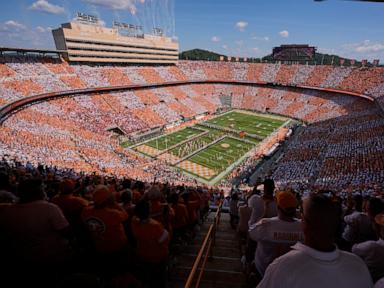
The air inside the stadium tasted of stale rain and quiet desperation. Down on the turf, boots squelched against waterlogged grass, and a low, collective groan rippled through the stands like wind through dry reeds. Another cross drifted lazily into the box. Another blue jersey stood rooted, watching the sphere sail harmlessly over outstretched heads and out for a goal kick.
Twelve courses. That was what the afternoon felt like. A long, exhausting banquet of huff and puff, where every dish tasted identical, heavy with effort yet completely devoid of nourishment.
Football at this level is rarely decided by grand epiphanies. More often, it dies by a thousand small, stubborn cuts.
Imagine standing on the touchline as Derek McInnes. Your collar is turned up against the chill. Your coat is zipped to the chin. Every instinct tells you to push, to demand more velocity, more bite, more direct chaos. Yet, what unfolds on the pitch is an exercise in grinding, industrial inertia. The team moves in predictable blocks. They circulate possession like accountants shuffling receipts. There is movement, yes, but it is motion without momentum.
Sweat stings the eyes. Lungs burn. But the scoreboard remains stubbornly blank.
This is the psychological trap of modern stagnation. When a side lacks the spontaneous spark to unlock a disciplined defense, they resort to volume. They cross more. They chase more. They run harder into cul-de-sacs, mistaking physical exhaustion for tactical progress. It is a twelve-course meal where each plate is just another heavier version of the last. You leave the table bloated with statistics—possession percentages, territorial dominance, aerial duels contested—yet completely hollow.
Crucially, the problem is not a lack of desire. No one steps onto a professional pitch intending to bore the supporters into a stupor. The players care. They bleed for the badge. But care without clarity is just noise.
Consider the anatomy of a wasted ninety minutes.
Minute ten brings early optimism. A sharp tackle in midfield triggers a quick transition. The crowd stirs. For a fleeting second, the horizon looks wide open.
Minute forty brings the first heavy sigh. The tempo drops. Side-to-side passing replaces forward ambition. The opponent settles into a low defensive block, comfortable, bored even, batting away crosses like an adult swatting at summer gnats.
Minute seventy brings panic disguised as urgency. Structure dissolves. Long balls rain down from deep areas, finding only the towering central defenders who head them away with casual disdain.
By the time the final whistle punctures the grey afternoon, nobody is angry anymore. Weariness has replaced rage.
The match report will list the corners won and the shots off target. It will use polite terms to describe a blunt instrument trying to act like a scalpel. But data sheets do not capture the sound of silence in a stadium filled with thousands of people who expected a game and got a marathon of attrition instead.
Tactics matter. Execution matters. But above all, courage matters. The courage to risk losing the ball in order to actually win the match.
Until that courage arrives, the banquet will keep serving the same heavy, unpalatable fare. And the supporters will keep waiting for a meal worth remembering.