You can forget your idyllic vision of sipping a chilled rosé along the Seine this evening. Europe is baking under an unprecedented early summer heatwave, and governments are shifting from issuing standard safety advisories to enforcing hard, legally binding restrictions. If you are currently traveling through France, Spain, or Italy, the rules of public life just changed overnight.
A brutal high-pressure system has pushed temperatures past 40°C (104°F) across vast swathes of the continent. It is not just uncomfortable; it is a full-blown public health emergency. In response, authorities are shutting down major cultural events, banning public alcohol consumption, and halting sports activities to prevent emergency services from collapsing under the weight of heatstroke cases.
Here is exactly what is happening on the ground right now, why the authorities are taking such drastic measures, and how you need to adapt your plans to stay safe and compliant.
The Public Booze Ban in France
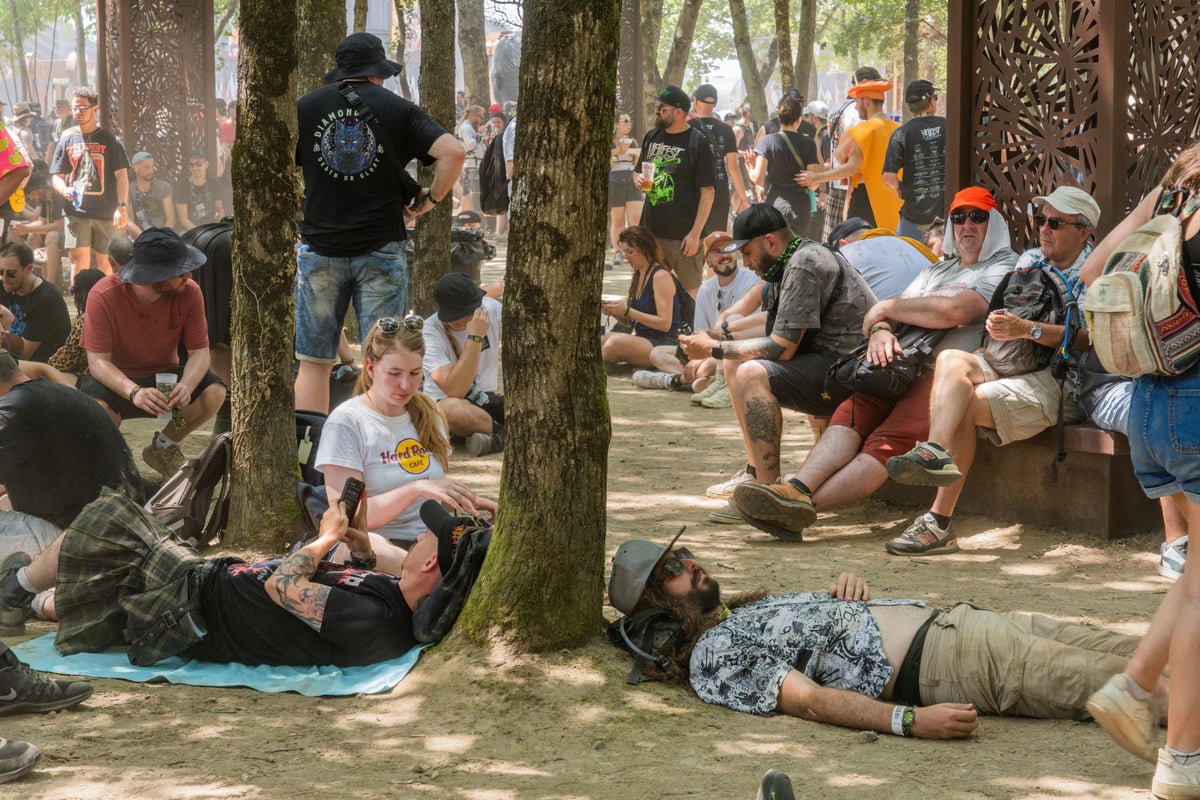
The timing could not have been worse for France. The extreme heat peaked right as the country kicked off its annual Fête de la Musique on the summer solstice, a massive nationwide celebration that usually sees millions of people drinking and dancing in the streets.
To prevent a health catastrophe, the French government placed a record 35 departments under a "danger-to-life" red alert, impacting roughly 53 million people. Prime Minister Sébastien Lecornu's office enacted an emergency decree that completely bans public alcohol consumption in these red alert zones.
The Rule on the Ground: You cannot consume alcohol in public spaces, parks, or along waterways like the Seine or the Canal Saint-Martin in Paris. Furthermore, stronger drinks like high-alcohol beers, spirits, and fortified wines are strictly prohibited near Parisian riverbanks to minimize the risk of dehydrated revelers falling into the water.
Why the sudden hostility toward public drinking? Alcohol is a potent diuretic. It accelerates dehydration, masks the early symptoms of heat exhaustion, and severely compromises the body's ability to regulate its core temperature. By banning public drinking, the state is actively trying to keep emergency rooms clear for the most vulnerable populations, such as the elderly. This is a lesson learned the hard way after the infamous 2003 European heatwave, which claimed roughly 15,000 lives in France alone.
While you can still legally sit on a shaded café terrace and order a drink, municipal events will not be serving alcohol, and walking the streets with an open container will land you a hefty fine.
Spain and Italy Halt Public Life
Crossing the Pyrenees offers no relief. Spain’s national weather agency, Aemet, has issued maximum red alerts for northern regions, with inland river valleys in Andalucía and Extremadura bracing for temperatures soaring close to 44°C.
The heat is so severe that it is disrupting the world's biggest sporting events. In Madrid, authorities completely shut down the massive outdoor World Cup fan zones in places like the Plaza de Colón, forcing thousands of fans indoors to watch Spain's match against Saudi Arabia. Up in the typically cooler Basque region, officials took the extraordinary step of suspending all outdoor sports and cultural activities to protect athletes and spectators alike.
Meanwhile, Italy has expanded its maximum "red flag" heat warnings across eight major northern and central cities. Tourists in Rome are currently queuing in brutal conditions outside the Colosseum, with emergency workers redirecting crowds toward underground spaces and cooling stations.
How to Navigate the Heatwave and Stay Compliant
If you are currently in Europe or arriving this week, relying on standard tourist habits will get you into trouble or get you sick. You need to adjust your daily routine immediately.
- Check the Alert Maps Daily: Do not guess the local rules. Check Météo-France or Spain's Aemet websites each morning. If your area transitions to a red alert, expect immediate school closures, canceled trains due to warping tracks, and strict limits on public gatherings.
- Ditch the Urban Swimming Instinct: Rivers and urban canals like Paris's Canal Saint-Martin look tempting, but emergency services are reporting a spike in drownings. The extreme temperature differential between 40°C air and cold water can trigger immediate thermal shock, leading to sudden cardiac arrest or cramping. Stick to official, monitored public pools or indoor cooling centers.
- Reorganize Your Itinerary: Do not walk the streets between 11:00 AM and 4:00 PM. Major sites are adjusting hours or closing outdoor sections. Pivot your afternoons toward air-conditioned museums, or head deep underground into sites like the Roman ruins or catacombs where temperatures remain stable.
- Track Your Hydration Actively: If you are sweating heavily in 40°C heat, water alone isn't enough. You are losing critical sodium and potassium. Mix in an oral rehydration salts packet or grab an isotonic sports drink from a local pharmacy to prevent heat cramping.
Governments across the continent are warning that these extreme weather patterns are locking in for the long term, with no sign of cooling before the end of the week. Stay informed, respect the local bans, and move your activities indoors until the worst of this system passes.