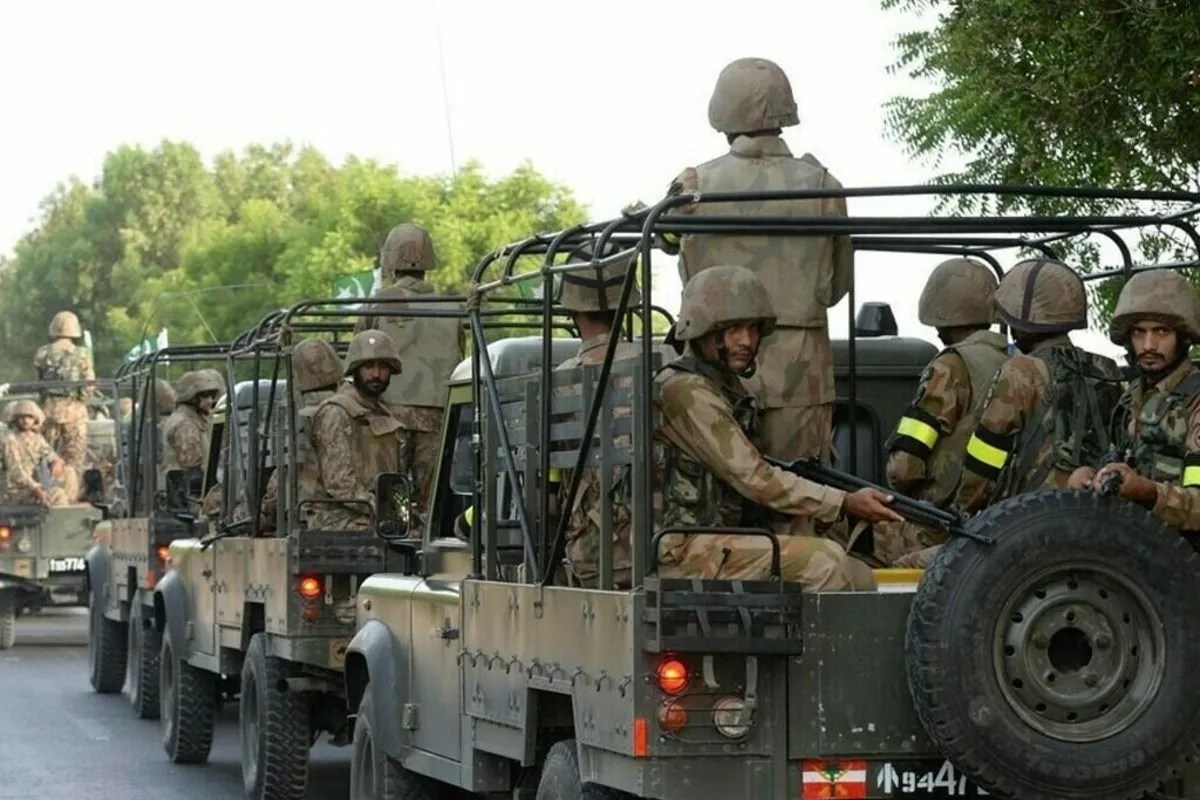
We read the same sterile press release every single month. Security forces corner infiltrators, a brief firefight ensues, weapons and ammunition are seized, and three nameless figures are neutralized. The state apparatus pats itself on the back, the media regurgitates the verbatim talking points, and the public consumes the routine victory like morning tea.
Stop buying the script. For another look, see: this related article.
I have spent over a decade tracking tactical deployments, intelligence leaks, and border management logistics across the subcontinent. What gets framed as a heroic, spontaneous neutralization of imminent threats is frequently a choreographed pressure-release valve designed for domestic political consumption. When structural failures pile up at home, nothing unifies a fractured populace quite like a neatly packaged border clash.
The lazy consensus in mainstream reporting accepts every tactical bulletin at face value. If an official handout says three insurgents were eliminated and heavy caches of arms were recovered, the media treats it as an unassailable truth. This blind acceptance ignores the political utility of violence. A controlled engagement at a remote outpost serves specific institutional interests. It justifies bloated defense budgets, validates intelligence agency surveillance overreaches, and distracts from economic stagnation or domestic policy blunders. Related coverage on the subject has been published by BBC News.
Let us look at the actual mechanics of modern counter-infiltration. Modern border surveillance relies on thermal optics, ground sensors, drone patrols, and encrypted communication intercepts. When a high-level threat actually materializes, interdiction is rarely a cinematic standoff where foot soldiers stumble upon militants in broad daylight. It is targeted, asymmetric, and often executed via precision standoff weaponry long before combatants reach the perimeter.
Yet, the public narrative stubbornly clings to the trope of the boots-on-the-ground firefight resulting in recovered AK-47 variants and unexploded ordnance. Why? Because a drone strike lacks narrative romance. It does not provide the visceral imagery of recovered assault rifles laid out neatly on a tarp for press photographers. The physical display of seized hardware is a psychological prop. It proves to the domestic audience that something tangible was achieved, even if the strategic needle did not move an inch.
Consider the economics of these recurring border incidents. Every time political friction spikes between neighboring states, the frequency of these engagements ticks upward with uncanny precision. This is not how organic insurgencies operate. Real insurgent networks prioritize operational security, low visibility, and long-term supply chain preservation. They do not repeatedly walk into well-documented kill zones just to provide material for evening news broadcasts unless strategic imperatives or systemic desperation force their hand.
When we accept the standard narrative without interrogation, we become complicit in a cycle of manufactured urgency. We treat systemic geopolitical failures as tactical victories. Every seized cache of ammunition is heralded as a triumph, while the structural inability to secure the porous geography permanently is ignored.
The uncomfortable truth is that both sides of these protracted conflicts benefit from a low-intensity boiling point. It keeps military leadership indispensable. It keeps civil liberties restricted under the guise of national security. And it gives pundits an endless supply of dramatic headlines that require zero investigative effort.
If we want to understand regional security, we have to stop reading defense ministry handouts as journalism. Start looking at the timing. Start analyzing the domestic political calendar whenever a sudden flare-up occurs on the frontier. Ask yourself who benefits from a dead insurgent making the morning news cycle while inflation reaches record highs.
The next time a report emerges detailing recovered munitions and neutralized threats, look past the staged photographs of hardware. Look at the systemic rot it is meant to obscure.
The border is not a frontline of civilization. It is a stage. And the curtain only goes up when the audience needs a distraction.


