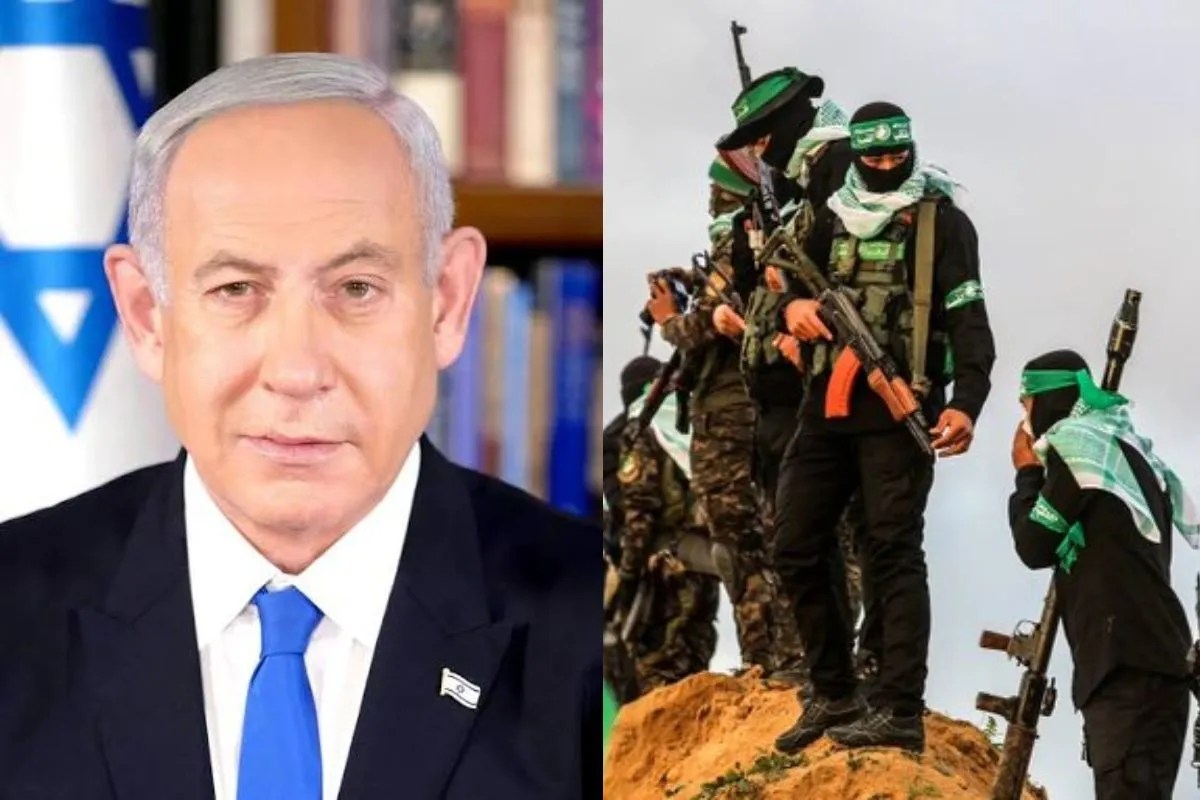
Every time a peace deal for the Middle East flashes across news screens, hope spikes for a brief moment. Then, reality hits. Within days or even hours, explosions shatter the quiet, and commentators start asking the same old question. Why do these agreements constantly collapse?
If you look past the standard diplomatic statements, the answer isn't complicated. It comes down to a fundamental clash over sequencing, severe political survival tactics, and a complete absence of mutual trust.
The Sequence Trap of Disarmament and Withdrawal
The core sticking point in almost every roadmap comes down to a stubborn chicken-and-egg problem. Who moves first?
International mediators and US-backed proposals usually push for a parallel approach or a step-by-step transition. But the two primary actors want entirely opposite timelines. Prime Minister Benjamin Netanyahu’s government insists that Israel will not pull back its military from any position in the enclave until Hamas has fully disarmed. On the flip side, Hamas leaders state they will only begin giving up heavy weapons if Israel completely stops its military operations and executes a total withdrawal.
Because neither side trusts the other to fulfill the second half of the bargain, negotiations freeze. Israel fears that retreating leaves them vulnerable to a regrouped adversary. Hamas fears that surrendering weapons before an Israeli pullout strips them of their only leverage, leaving them entirely at the mercy of ongoing occupation.
Domestic Politics Outweighing Peace
Diplomacy never happens in a vacuum. Leaders on both sides answer to domestic constituencies that punish any sign of compromise.
Netanyahu leads a governing coalition heavily reliant on hard-line ministers. For these political partners, any major concession or permanent military withdrawal looks like weakness. Stepping away from hard-line positions can collapse a ruling coalition overnight, triggering domestic political crises or early elections.
On the other side, factional pressures mean that any agreement perceived as a total surrender without securing concrete steps toward statehood risks severe internal backlash. When political survival depends on maintaining a tough stance, actual peace-making takes a back seat.
The Illusion of Enforcement on the Ground
Even when international brokers manage to broker a temporary pause, enforcement mechanisms remain toothless. Agreements often rely on vague boundary lines or ambiguous control zones where troops and local fighters operate in close proximity.
When a stray rocket flies, a patrol crosses an undefined line, or a targeted strike takes out a local figure, the entire framework unravels instantly. Both sides routinely accuse each other of violating the terms first. Without an impartial, heavily armed international stabilization force capable of physically separating the combatants and enforcing penalties on the violator, every ceasefire functions as little more than a fragile countdown to the next flare-up.
Peace won't happen because of a cleverly worded document signed in a foreign capital. It requires shifting the political calculations of leaders who currently profit, politically or militarily, from keeping the conflict alive. Until the cost of fighting genuinely exceeds the cost of stopping, every new agreement will likely follow the exact same tragic script.