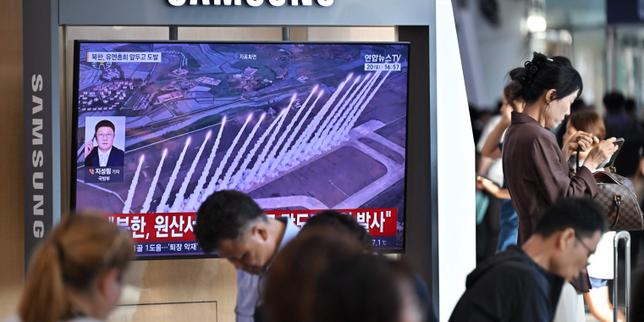
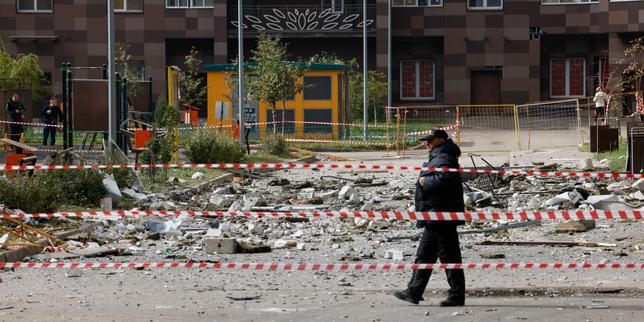
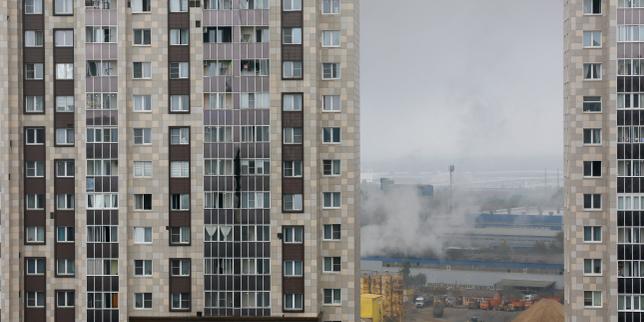
Every single time a metal tube arcs over the Korean peninsula, the global media machine spins into a predictable, breathless panic. Push notifications flash across your screen with the exact same tired phrasing. Seoul reports an unidentified projectile. Tokyo sounds a brief, bureaucratic alarm. Washington issues a stern statement about regional stability and ironclad commitments.
Then comes the inevitable analysis from experts who have spent decades misreading the exact same playbook. They treat each launch like an escalation, a crisis, or a step closer to the brink. It is none of those things. It is routine maintenance disguised as geopolitical theatre, and everyone from the wire services to the desk pundits is playing their assigned role to keep the panic economy flush.
If you look past the breathless wire reports, you realize that military hardware requires testing just like any other engineered product. You do not build guidance systems, solid-fuel rocket boosters, and reentry vehicles in a sterile vacuum and hope they work on day one. You burn fuel. You check telemetry. You drop steel into the ocean.
Pyongyang treats its test range the way Detroit used to treat winter testing grounds in northern Michigan, minus the camouflage. Yet, the moment a missile clears the coast, the geopolitical press corps treats basic ballistics like a personal insult directed at the UN Charter.
The Economics Of Outrage In The East Sea
Let us look at the incentive structures at play here, because nobody in mainstream journalism wants to admit why these headlines exist. Fear sells clicks, advertising impressions, and defense budget increases.
Every time a projectile splashes down in the East Sea, three distinct domestic audiences need to be fed a specific narrative:
- Seoul politicians need a convenient distraction from domestic economic friction or legislative gridlock. Nothing rallies a fragmented electorate faster than an external bogeyman lobbing scrap metal into the water.
- Defense contractors in Washington and Tokyo need a fresh justification for multi-billion-dollar appropriations bills. You cannot demand funding for next-generation interceptors if the neighborhood looks quiet.
- State media in Pyongyang needs to project strength to a starving domestic populace, proving that the regime's astronomical sacrifices are buying them a seat at the table with the nuclear heavyweights.
Notice what is missing from that list? An actual desire for total war.
A rational actor planning a surprise first strike does not broadcast telemetry beacons, test unrefined solid-fuel engines in broad daylight, and lob short-range artillery rockets into empty water while inviting foreign intelligence satellites to watch the whole show. That is not warfare. That is an expensive marketing campaign executed with high explosives.
Deconstructing The Technical Panic
When the South Korean Joint Chiefs of Staff release a breathless bulletin about an unidentified projectile, they are usually describing a short-range ballistic missile or a heavily modified multiple rocket launcher system.
The media loves the word projectile because it sounds mysterious and menacing. It implies anything from a hypersonic glide vehicle to an alien drop pod. In reality, most of these systems are tactical delivery mechanisms designed for regional deterrence, not strategic continental annihilation. They are crude, highly visible, and heavily dependent on Soviet-era legacy designs patched together with domestic machine work.
The intelligence community knows this. The analysts staring at radar screens in Osan Air Base know this. But the press release that goes out to Reuters and AP strips away the nuance because nuance does not generate banner ads.
Why The Conventional Deterrence Model Is Broken
For seventy years, the playbook for dealing with the North Korean peninsula has relied on deterrence, sanctions, and strategic patience. That policy is an abject failure, not because it failed to start a war, but because it created a perverse feedback loop.
Sanctions do not starve a regime into submission; they force it to optimize its black-market supply chains, partner with other pariah states for tech swaps, and accelerate its indigenous weapons programs out of sheer necessity. When you cut a nation off from global trade, you remove any incentive it has to play by global rules. At that point, selling conventional artillery shells to distant conflicts and testing missiles until the guidance systems work becomes their primary export economy.
We have spent decades acting as though tightening the economic screws another notch will suddenly cause a totalitarian regime to discover a sudden fondness for Western liberal democracy. It is diplomatic magical thinking.
The Real Danger Is Not The Missile
The real threat on the Korean peninsula is not the occasional test splash in the East Sea. The real danger is the complete calcification of diplomatic imagination in Washington and Seoul.
We are locked into a permanent posture of crisis management where status quo ante is treated as a victory. Every launch is met with the exact same ritual response: emergency National Security Council meetings, symbolic naval drills, and sternly worded resolutions that everyone involved drafts using a template from 1998.
It is institutional laziness masquerading as prudence.
How To Read The Headlines Without Losing Your Mind
Next time your news feed lights up with a flashing breaking news banner about an unidentified projectile screaming across the morning sky toward the East Sea, take a breath and apply a simple filter.
Ask yourself who benefits from you feeling panicked at that exact moment. Is a defense budget up for vote? Is a beleaguered politician facing a tough domestic election cycle? Are military planners trying to justify a new hardware purchase?
Stop treating every test launch like the opening salvo of Armageddon. It is a rusty rocket built by an isolated regime, paid for with the misery of its citizens, launched into an empty body of water so old men in uniforms can check a box on a clipboard.
The missile will splash down. The ocean will swallow it. And the real theater will continue right on schedule.