Every time a tanker brushes against a floating piece of rust or takes a mystery hit in the Strait of Hormuz, the media shrieks about an imminent global energy apocalypse. Headlines scream about unknown projectiles, panicked markets hyperventilate, and armchair analysts dust off their favorite maritime catastrophe scenarios.
Stop buying the panic. Also making waves lately: The Long Wait Across the Border.
The lazy consensus treats the Strait of Hormuz like a fragile glass bridge ready to shatter at the first sign of trouble. I have watched shipping executives and risk consultants lose their minds over every minor bump in these waters, charging exorbitant war-risk premiums that line the pockets of underwriters while reality tells an entirely different story.
The entire narrative built around these maritime incidents is fundamentally flawed. More information on this are detailed by Reuters.
The Physics Of Chokepoints Nobody Understands
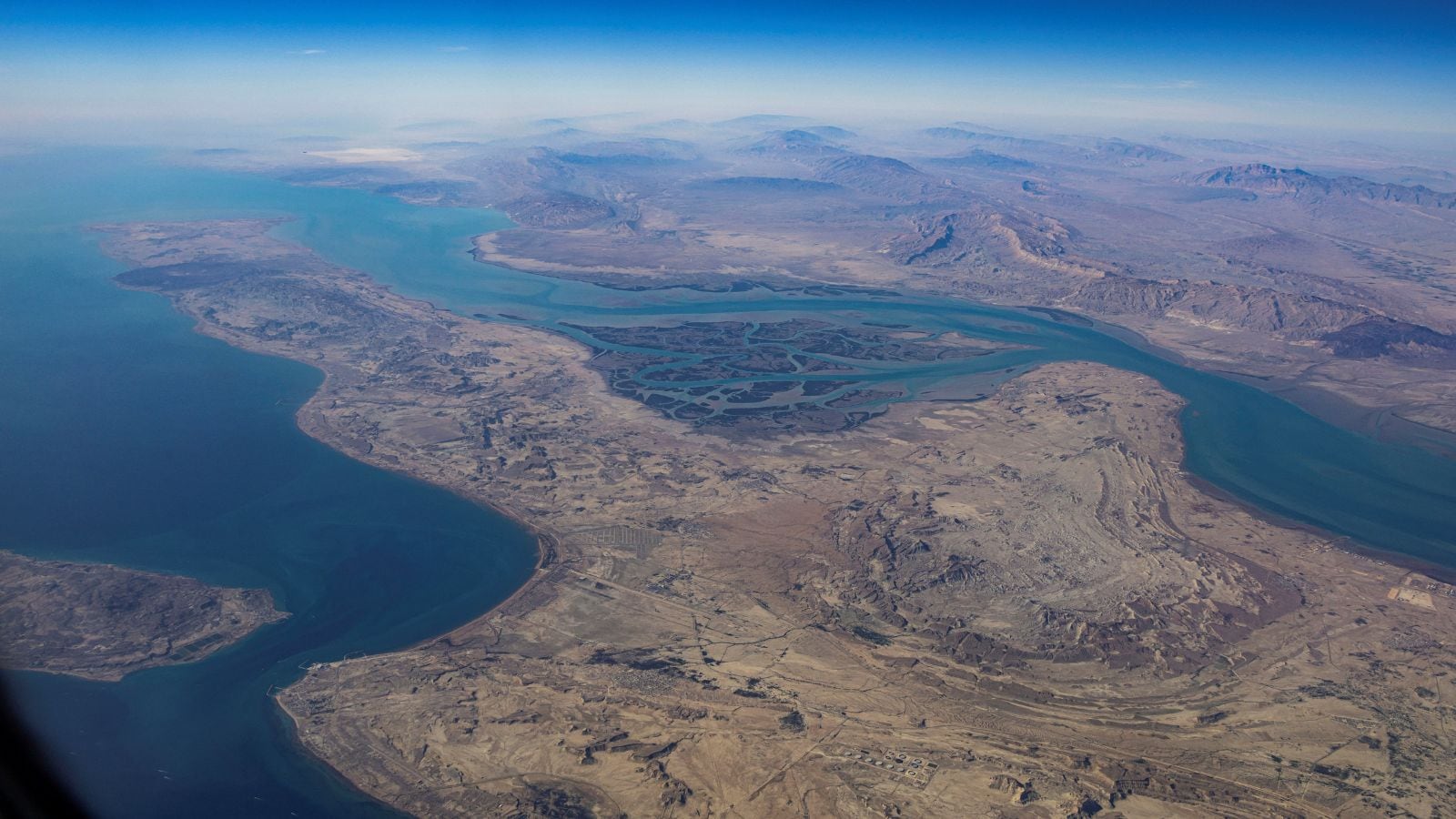
Let us clear up the basic mechanics first. People talk about the Strait of Hormuz as if it were a narrow alleyway where a single stray object can shut down the global economy.
Geography disagrees. The shipping lanes span roughly two miles wide for inbound and outbound traffic, separated by a two-mile buffer zone. This leaves a vast expanse of water. A vessel getting clipped by an unidentified object does not mean a systemic blockade. It means a localized anomaly in a high-density commercial corridor.
I have watched companies blow millions on redundant security architecture and speculative rerouting based on ghost stories. Tankers are massive, durable structures of double-hulled steel. They are designed to absorb punishment, not paper airplanes. When a British maritime agency reports an unknown projectile hitting a hull, the immediate assumption is usually an act of war or sophisticated state-sponsored sabotage.
More often than not, it is floating debris, structural fatigue masked as external impact, or low-grade localized friction in an overcrowded waterway. Equating a minor hull strike to a geopolitical crisis is bad analysis driven by a hunger for clicks.
Why The War Risk Industry Loves Panic
Insurance brokers thrive on ambiguity. When the UKMTO drops a vague bulletin about an unknown projectile, the risk machinery spins into overdrive. Premiums spike instantly. Shippers panic.
Imagine a scenario where every minor fender bender on a major highway resulted in the immediate tripling of auto insurance rates nationwide. That is the exact racket running in the Persian Gulf. Underwriters use the fog of maritime reporting to justify predatory pricing.
The contrarian truth is that global crude logistics are remarkably resilient. Even during periods of heightened tension, oil keeps moving because the economic incentive to flow outweighs the political incentive to stop. Iran, Oman, and the major Gulf producers have just as much skin in the game. Stangling the export route starves their own treasuries.
When you look past the breathless news alerts, the data shows that commercial traffic adapts within hours, not weeks. Route adjustments happen quietly while cable news anchors are still hyperventilating over the initial alert.
The Flawed Questions Everyone Keeps Asking
People constantly ask: Is the Strait of Hormuz about to close permanently? How high will gas prices spike?
These questions are traps because they accept the premise that maritime chaos is a permanent state rather than a managed friction. The real question you should be asking is why modern risk management has become so addicted to worst-case forecasting.
We have built an entire consultancy industry around fear. Analysts make their living by confirming the worst fears of corporate boards. If an expert admits that a stray projectile is just statistical noise in a busy shipping lane, nobody invites them back on television.
My approach comes with a downside. Dismissing the noise means you occasionally miss a legitimate escalation, but reacting to every shadow means you go broke paying for phantom threats. Real risk mitigation requires calm observation, not knee-jerk panic buying of security services you do not need.
Ignore the sirens. Stop funding the war-risk hysteria. The tankers will keep moving long after the headlines fade.