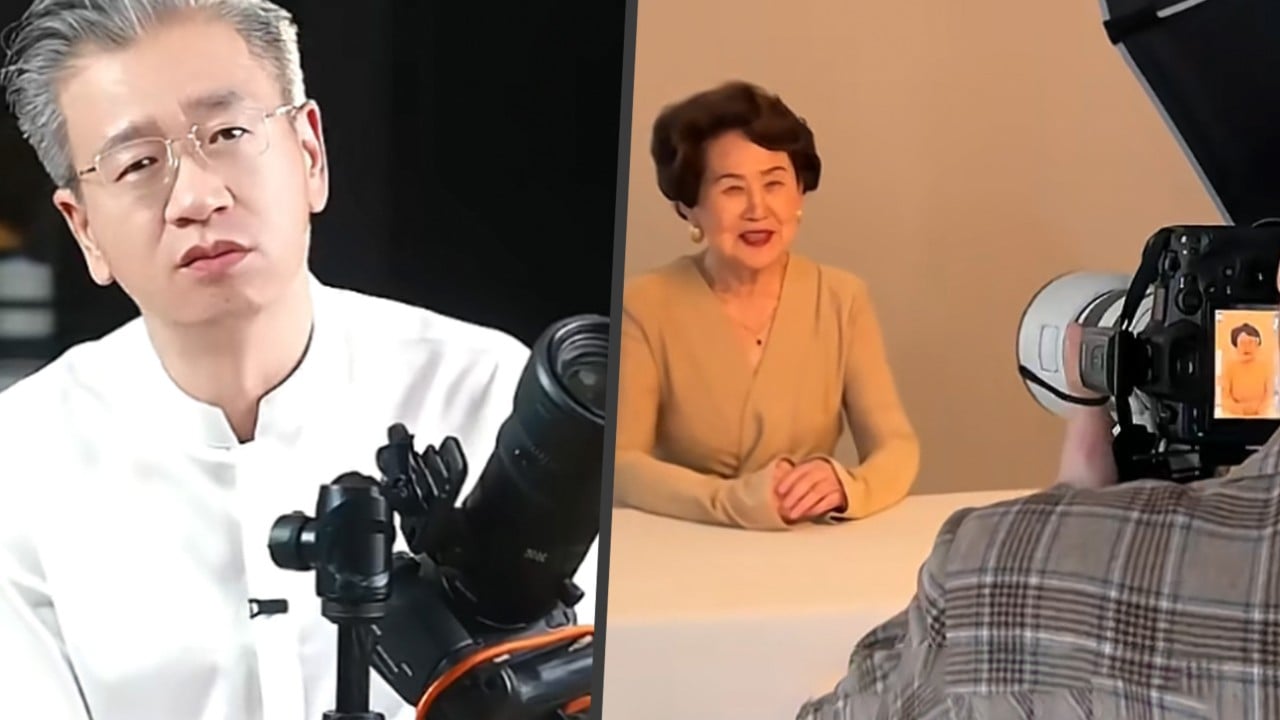
Spend a few minutes scrolling through Chinese social media platforms like Douyin or Xiaohongshu, and you'll eventually stumble across a bizarrely specific controversy. A studio in Beijing or Shanghai charges up to 18,000 yuan—roughly US$2,500—for a single afternoon photography session aimed squarely at middle-aged women.
The catch? The packages include young, conventionally attractive male photographers who don't just snap pictures. They hold hands. They whisper compliments. They lean in close for romantic, couple-style portraits that look like stills from a big-budget romance drama.
Predictably, the internet lost its mind. Critics immediately slapped labels like "predatory," "unethical," and "emotional scam" onto these studios, arguing they prey on lonely, vulnerable women with disposable income.
Honestly, that reaction misses the point entirely. Having watched consumer trends in East Asia evolve over the last decade, I see this backlash less as a moral panic over photography and more as a collision between traditional expectations and a massive, underserved demographic flexing its financial muscle. When you strip away the sensational headlines about "flirtatious" photo shoots, you find a booming economy built around companionship, self-expression, and the sheer exhaustion of modern life.
Why Critics Are Furious About the $2,500 Price Tag
Let's look at why this specific business model triggered such a visceral reaction on Weibo and Douyin. In China, wedding and glamour photography is already a massive industry, often costing thousands of dollars for elaborate, multi-outfit shoots. Nobody blinks when a 25-year-old bride drops $3,000 on an album.
Change the client's age to 48, swap the groom for a paid staff member, and suddenly people start demanding regulatory crackdowns.
The core of the backlash centers on three main arguments:
- Emotional manipulation. Detractors argue that blurring the line between commercial service and romantic intimacy crosses an ethical boundary. They worry clients might confuse paid attentiveness with genuine affection, leading to emotional distress or further spending.
- Suspicion of hidden upsells. China's consumer protection groups have spent years fighting aggressive sales tactics in the beauty and photography sectors. A $2,500 base package raises immediate red flags about whether studios pressure clients into buying thousands of dollars in extra prints or VIP memberships once the camera stops clicking.
- Double standards around aging. There is an uncomfortable layer of ageism baked into the outrage. Men in China have spent money on hostess bars, KTV companions, and golf caddies for decades without sparking national debates about their emotional fragility. When middle-aged women pay for curated validation, society suddenly worries they can't handle their own bank accounts.
Public commentary on Weibo quickly split along generational and gender lines. Younger users frequently mocked the trend as cringe-worthy, while many older women pushed back, asking why spending money on a confidence boost was worse than buying a luxury handbag.
The Business Model Behind Flirtatious Photography
To understand what's actually happening inside these studios, you have to look at how the service is structured. This isn't an underground operation. It's an evolution of China's "she-economy" (ta jingji), a term economists and market researchers like Accenture have used for years to describe the growing purchasing power of urban Chinese women.
In a typical high-end companion shoot, the client isn't just paying for a raw JPEG file. She's buying a meticulously choreographed production.
First comes hours of professional hair, makeup, and wardrobe styling—often involving couture gowns or sleek, modern streetwear that the client wouldn't normally wear to the grocery store. Then comes the shoot itself. The photographer—usually a man in his twenties trained in customer service and posing—acts as both director and scene partner.
He adjusts her hair. He tells her she looks radiant. He guides her into poses that mimic intimacy—a hand resting on a shoulder, a shared laugh over coffee, a dramatic gaze under studio lights.
Is it staged? Completely. Both parties know it's a transaction. Yet the market demand proves that the artificiality doesn't ruin the experience; for many buyers, the clear boundary is actually the appeal. You pay the fee, you get three hours of undivided, flattering attention, you walk away with stunning photos for your WeChat Moments, and nobody asks you to cook dinner or manage a household afterward.
The Rise of Emotional Consumption in China
If you think this trend is just a weird quirk of the photography industry, zoom out. You'll see the exact same pattern across dozens of sectors in China right now. Analysts call it emotional consumption (qingxu xiaofei), and it has become one of the most resilient drivers of retail spending even as broader economic growth has cooled.
Consider what else is selling out in major cities like Shanghai, Chengdu, and Shenzhen:
- Cosplay commissions (Weituo). Young women hire female cosplayers dressed as popular male anime or video game characters to take them on platonic dates to amusement parks or cafes.
- "Virtual lovers" on Taobao. Buyers pay small fees for text messages or voice calls from chat partners who offer encouragement during stressful exam periods or late-night work shifts.
- Luxury butler cafes and themed restaurants. Diners pay steep premiums not for Michelin-star food, but for attentive, theatrical service that treats them like royalty for ninety minutes.
According to data frequently cited by Chinese market research firms like iiMedia Research, the market for emotional and companionship-driven services has grown steadily as urbanization increases and traditional family structures shift. More people live alone. Marriage rates in China hit historic lows in recent years, according to figures from the Ministry of Civil Affairs, while divorce rates have climbed.
At the same time, women aged 40 to 60 represent a unique demographic cohort. Many benefited from China's rapid economic expansion over the past three decades. Their children are grown or in college. They have savings, pensions, or business income, and for the first time in their lives, they aren't prioritizing everyone else's needs above their own.
Where Ethics and Regulation Collide
Still, brushing off all criticism would be naive. Anytime high-ticket transactions mix with emotional vulnerability, bad actors eventually show up.
China's consumer protection laws—specifically the Law on the Protection of Consumer Rights and Interests—strictly prohibit deceptive marketing and coerced consumption. In the traditional portrait industry, complaints filed with the China Consumers Association routinely highlight bait-and-switch pricing, where a cheap initial package balloons into thousands of dollars through mandatory retouching fees.
With flirtatious photo shoots, the regulatory gray area gets murkier. If a photographer uses romantic flattery simply to make a client feel comfortable in front of the lens, that's standard hospitality. Every good portrait photographer knows how to hype up a nervous subject.
The line gets crossed if studios train staff to string clients along outside of business hours—sending late-night messages to encourage repeat bookings, inventing personal emergencies to solicit gifts, or disguising ongoing financial extraction as a "relationship." That crosses out of photography and straight into the territory of pig-butchering scams or unregulated host clubs, both of which Chinese authorities aggressively police.
So far, most mainstream studios offering these shoots operate openly on public platforms, relying on transparent package pricing and word-of-mouth referrals rather than clandestine grooming. The backlash online has less to do with documented fraud and more to do with cultural discomfort over women openly paying for male attention.
What This Trend Actually Tells Us About Modern Consumerism
You don't have to love the idea of spending $2,500 on staged romance to understand why it works. Modern life in hyper-competitive cities is isolating. People work long hours, stare at screens, and carry heavy family responsibilities.
For a woman in her late forties or fifties who has spent decades being viewed primarily as a mother, wife, or employee, stepping into a studio where the entire environment is engineered to make her feel glamorous and desired isn't pathetic. It's a rational purchase of a specific feeling.
Brands and service providers everywhere are waking up to this shift. Selling a physical product—whether it's a camera, a dress, or a cup of coffee—is rarely enough anymore. The real margin lies in how the transaction makes the buyer feel during and after the purchase.
If you're evaluating this trend as a consumer, a marketer, or just an observer watching cultural norms shift in real time, keep a few practical realities in mind:
- Separate theatrical service from real intimacy. Whether it's a luxury photo shoot, a boutique fitness class, or high-end hospitality, paid attentiveness is a professional skill. Enjoy the confidence boost, take the great photos, and keep clear mental boundaries around the transaction.
- Demand upfront pricing in service industries. Anytime you book high-ticket experiential services—photography, styling, or wellness—get an itemized breakdown of deliverables, editing costs, and usage rights before paying a deposit.
- Watch where discretionary spending flows. When demographics with high savings rates start spending heavily on self-image and emotional validation, expect adjacent industries—from solo travel to boutique wellness retreats—to follow the exact same playbook.
The outrage over China's $2,500 photo shoots will eventually fade, replaced by whatever viral trend dominates social feeds next month. What won't disappear is the underlying market: millions of financially independent women who are completely done waiting around for someone else to make them feel like the main character.