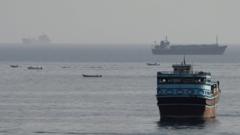
Nearly one-fifth of the world's daily oil and gas supply flows through a sliver of water so narrow that energy markets basically hold their breath every time a tanker passes through. Right now, that breath is turning into a full-scale panic. Tehran just announced that it locked down geographical coordinates for a brand-new shipping lane through the Strait of Hormuz alongside Oman. Sounds like a win for global trade, right? Not so fast.
If you look past the optimistic headlines coming out of Washington and Muscat, a much messier reality emerges. Iran isn't just opening a door. They are asserting structural control over the most vital energy chokepoint on earth. And they are making sure everyone knows it.
The Omani Accord Explained
Let's break down what actually happened. Iranian Foreign Ministry spokesperson Esmaeil Baghaei confirmed that Tehran and Muscat finalized the precise geographical parameters for a modified maritime corridor. Under this proposed temporary setup—slated initially to run for a couple of months—commercial vessels entering the Persian Gulf would travel primarily through waters closely monitored or controlled by Iran. Outbound ships would hug lanes closer to Omani territory.
This isn't a return to the old days of unfettered, international freedom of navigation. It is a completely redesigned traffic management model. Iran gets direct oversight of inbound maritime traffic, a massive strategic concession that hands the regime unprecedented leverage. Daily vessel traffic through the strait plunged from roughly 130 to 140 ships down to a trickle of fewer than ten per day after previous ceasefires collapsed. Shippers are desperate for stability, which gives regional negotiators immense pressure to bite on whatever deal is on the table.
Why the Deal Does Not Equal Safety
Here is where most casual observers misinterpret the situation. Tehran made it crystal clear that agreeing on coordinates doesn't automatically mean the water is safe.
Iranian officials quickly tempered expectations by pointing the finger squarely at the United States. From Tehran's perspective, the primary danger in the strait isn't their own naval posture or mines; it is the ongoing U.S. naval blockade targeting Iranian ports. Until Washington lifts that blockade and rolls back aggressive enforcement measures, Iran argues the corridor remains a high-risk zone.
You have a classic standoff wrapped in diplomatic theater. President Donald Trump has been pushing hard for a rapid reopening to force global fuel prices down ahead of upcoming domestic elections. Trump proclaimed that a breakthrough could land within forty-eight hours, telling reporters that Iran would be smart to take the deal. But senior diplomats on the ground know better. Supreme leadership in Tehran still has to grant final sign-off, and internal factions remain deeply suspicious of American motives.
The Financial Friction and Inspection Battles
Beyond the map coordinates, fierce arguments persist over logistics and cash. Who actually inspects the cargo? Regional Gulf states want independent oversight, while Iran wants direct verification.
Then there is the question of tolls. Initial proposals floated the idea of keeping the temporary corridor fee-free, but hardliners in Tehran previously pushed for steep transit fees ranging from five to seven percent of a cargo's total value. Oman floated lower numbers around three percent, while the U.S. insists on zero fees.
Shippers caught in the middle face an impossible choice. Even if a provisional 60-day agreement takes effect on paper, insurance underwriters won't lower rates until physical attacks stop entirely. Navigating this corridor requires treating every announcement as provisional until proven otherwise. Watch the actual tanker tracking data rather than political press conferences. If ship counts stay stuck in single digits, the agreement is failing on the water regardless of what is signed on paper.