When a massive financial scandal breaks, the immediate reaction is always the same. Everyone points fingers at the due diligence process and asks how professional fund managers could be so blind. We saw it with Wirecard, we saw it with Theranos, and we’re seeing it again right now.
Malaysia’s Retirement Fund Incorporated, widely known as KWAP, just confirmed it lost a staggering US$47.7 million (around RM200 million) of civil servant savings to an orchestrated fraud scheme inside Indonesian aquaculture unicorn eFishery. The news came straight from Prime Minister Anwar Ibrahim during a parliamentary briefing.
Immediately, critics started shouting that the fund must have skipped basic checks. But that lazy assumption misses the terrifying reality of what actually happened. The truth is much more concerning for the venture capital ecosystem.
The Illusion of Corporate Safety
KWAP didn't blindly throw money at a trendy tech startup. They invested in July 2023 during a massive US$200 million Series D funding round alongside a powerhouse consortium. We’re talking about elite global institutions like Singapore's Temasek, Japan's SoftBank Group Corp, 42XFund, and Northstar.
Every single one of these entities brought their own highly paid armies of lawyers, accountants, and internal evaluators to the table. The books weren’t just double-checked; they were validated by top-tier international auditing firms.
So how does a company with a US$1.4 billion valuation pull the wool over the eyes of the smartest financial minds in Southeast Asia?
They did it by running a dual-accounting operation.
The startup's management maintained two completely separate versions of reality. One ledger was the internal version showing the true, struggling health of the business. The other was a meticulously crafted fiction presented to external stakeholders, banks, and auditors.
The Math Behind the Illusion
When the facade finally cracked, the sheer scale of the deception shocked the market. A preliminary investigation commissioned by the board revealed that eFishery’s leadership allegedly inflated its revenue by an unbelievable US$600 million in just the first nine months of 2024.
They told the world they were highly profitable. They claimed a neat US$16 million profit, but the truth was a bleeding US$35.4 million loss.
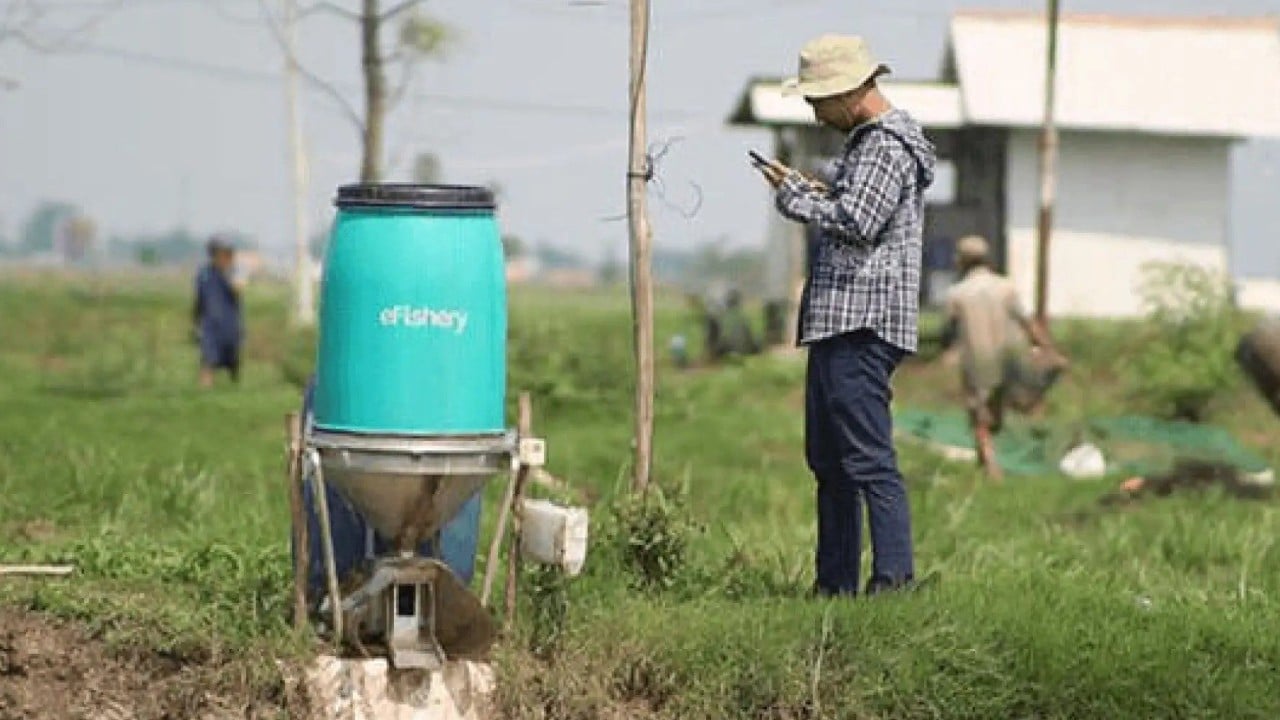
The fraud wasn't just numbers on a digital spreadsheet either. It extended straight to their physical operations. The company built its reputation on deploying automated, smart-feeding IoT devices to fish and shrimp farmers across Indonesia. They boasted to investors that they had over 400,000 active devices operating in the field.
The reality? Investigators estimated only about 24,000 of those devices were actually plugged in and working. The remaining 94% existed purely as ghost metrics designed to pump up valuation milestones.
Why Audits and Due Diligence Failed
Traditional due diligence is designed to catch bad math, weak supply chains, and legal liabilities. It isn't built to stop an executive team determined to commit outright criminal forgery.
Auditors like PwC and Grant Thornton reviewed the provided documents, but standard audits check if the math adds up based on the paperwork provided by management. If the underlying invoices, sales receipts, and customer accounts are completely fabricated from scratch, standard accounting procedures rarely flag them until it's far too too late.
It didn't take an elite analyst or a multi-million dollar data tool to crack this case. It took an internal whistleblower with the courage to bring forward the real files.
The legal fallout has been swift. Former CEO and co-founder Gibran Huzaifah has already been sentenced to nine years in prison by an Indonesian court for criminal breach of trust and money laundering. The investor consortium is now aggressively pursuing asset recovery and legal channels to claw back whatever cash remains.
What This Means for Regional Capital
This scandal hits at the worst possible time for Southeast Asian tech. Indonesian tech startups already saw funding plummet by 85% from their 2023 peak down to a meager US$213 million in 2025.
This massive breach of trust acts as a freezing blanket over the entire region. When an established agritech darling turns out to be a house of cards, institutional funds naturally pull back entirely.
If you are a founder raising capital in today's environment, or an investor looking to deploy it, the playbook has changed. You can't just trust a clean audit report from a big-name firm anymore.
Moving forward, the only way to verify operational metrics is through direct, unannounced field verification. Investors need to physically count the inventory, interview the small farmers directly, and verify that the technology actually exists in the mud, not just on a pitch deck slide. Relying purely on paper documentation is a recipe for disaster.