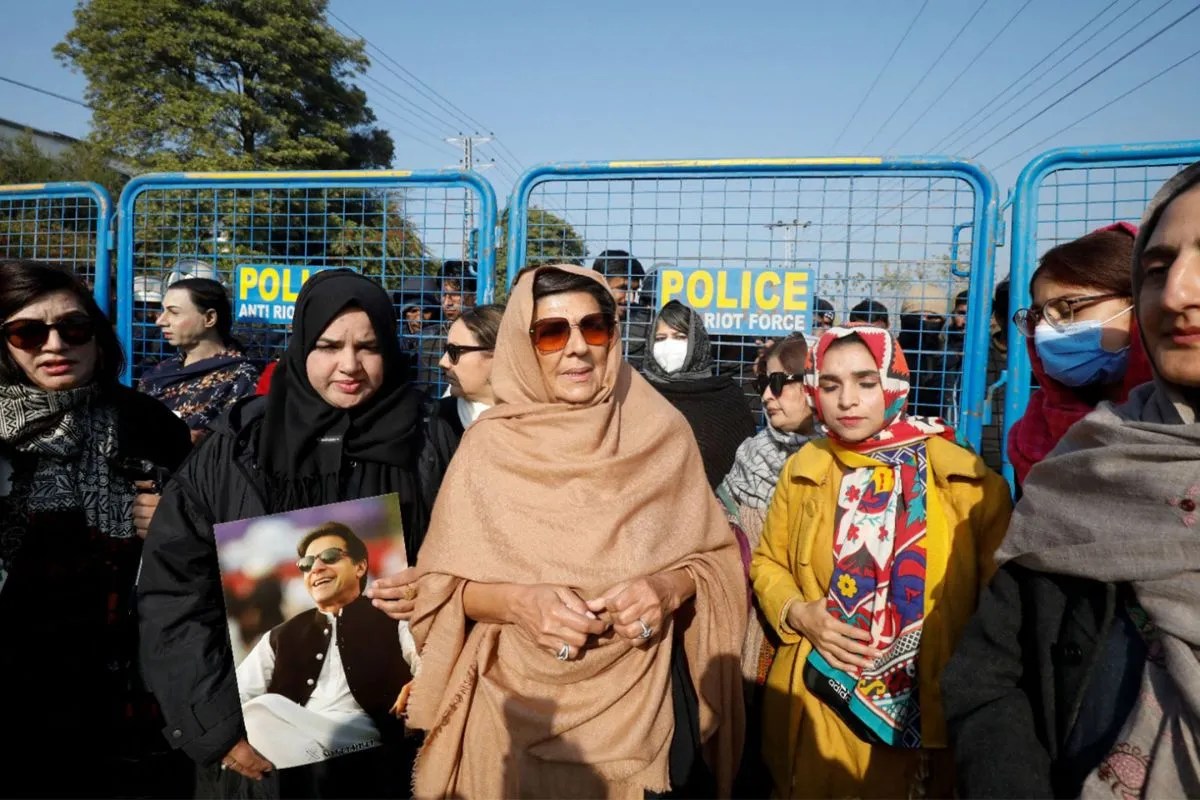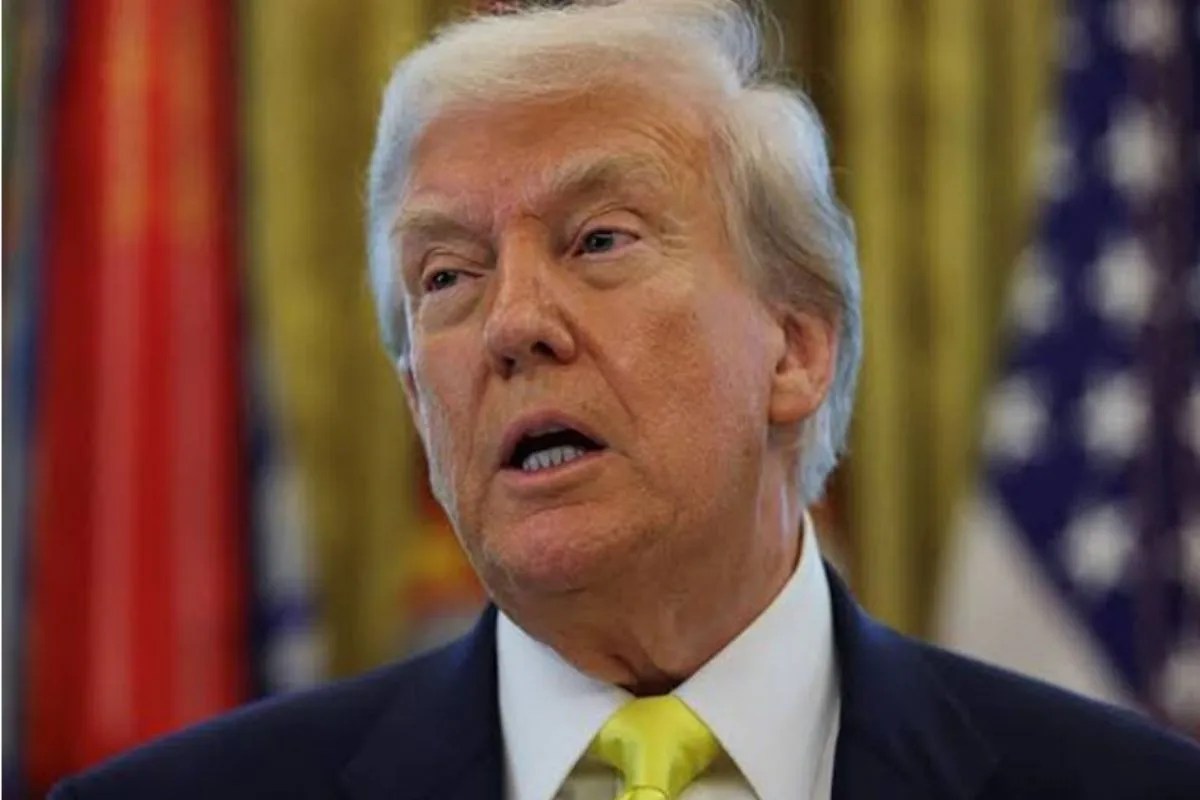
The September 2026 revocation of White House hard passes for CNN, MS NOW, and Politico represents a structural collision between executive discretion and First Amendment doctrine. Standard political reporting frames this event as an interpersonal feud between President Donald Trump and critical media outlets. That framing misses the operational reality. In institutional terms, the White House press corps functions as a high-trust, scarce-resource distribution network governed by administrative law, pool mechanics, and constitutional precedent. When an administration revokes credentials across multiple major networks simultaneously, it alters the cost structure of political reporting and tests the judicial boundaries of Fifth Amendment due process.
The Mechanics of White House Press Access
To understand the operational impact of the September 18, 2026 ban, one must distinguish between general public access and the credentialed press infrastructure. The White House complex is not a traditional public forum, yet once the executive branch establishes a press facility and issues credentials, those credentials become a protected liberty interest under established circuit court precedent.
The operational architecture relies on three distinct tiers:
- Hard Passes: Issued by the Secret Service following background checks, allowing regular entry to the briefing room and press workspaces without daily escort.
- Day Passes: Temporary credentials requiring continuous vetting and administrative approval for each visit.
- The Protective Pool: A rotating consortium of wire services, print outlets, radio, and the five major television networks (ABC, CBS, CNN, FOX, and NBC) that travel with the president on Air Force One and cover restricted spaces like the Oval Office.
When the Secret Service seized the press passes of journalists from CNN, MS NOW (formerly MSNBC), and Politico on September 19, 2026, the administration severed the first tier of access. By simultaneously removing CNN from its scheduled network pool rotation for the president's trip to the United Nations General Assembly in New York, the White House disrupted the third tier.
The Four Pillars of the Legal Challenge
Represented by attorney Theodore J. Boutrous Jr.—who previously litigated the 2018 credential dispute involving CNN's Jim Acosta—the three outlets notified the administration of their lawsuit in the U.S. District Court for the District of Columbia. The legal architecture of their complaint rests on four foundational arguments designed to secure immediate injunctive relief.
1. First Amendment Viewpoint Discrimination
Under established constitutional doctrine, the government cannot condition access to a public-facing press facility on the ideological slant or favorability of a journalist's coverage. President Trump publicly stated on Truth Social and to reporters that the ban targeted "fake news" and "negative stories," explicitly linking the revocation to editorial content rather than security violations or physical disruption. In constitutional litigation, direct admissions of content-based motivation shift the burden onto the government to prove a compelling state interest—a threshold the executive branch rarely meets when regulating speech.
2. Fifth Amendment Procedural Due Process
A White House hard pass is classified legally as a liberty interest because it is essential to a Washington correspondent's ability to practice their profession. Under the landmark 1977 D.C. Circuit ruling in Sherrill v. Knight, the Secret Service and White House officials cannot revoke a pass arbitrarily. Due process requires three sequential steps before deprivation:
- Written notice of the factual basis for the proposed revocation.
- An opportunity for the journalist or outlet to rebut those allegations.
- A final written decision explaining the rationale.
The September 18 announcement bypassed all three steps, executing the ban via social media declaration and physical badge confiscation the following morning.
3. The National Security Pretext and Evidentiary Failure
In court filings, Department of Justice attorneys attempted to reframe the revocations around national security, echoing language from the president's social media posts calling critical coverage a threat to the nation. This defense faces a severe evidentiary bottleneck. The Secret Service had already vetted and cleared the specific reporters whose passes were seized. Without documented behavioral infractions, security breaches, or physical threats, asserting national security as an abstract category fails judicial scrutiny. As U.S. District Judge Timothy J. Kelly noted when ordering the passes restored on September 24, 2026, the government's record contained zero factual basis showing that revoking the passes protected national security or that restoring them created a hazard.
4. Collective Action and Pool Solidarity
Beyond statutory and constitutional law, the dispute exposed the operational leverage of the press corps itself. The White House press pool operates on a shared-cost, collective-distribution model: whichever network is on duty feeds raw audio and video to all other members. When the White House barred CNN from its scheduled pool duty, the remaining networks refused to supply a replacement feed. This collective refusal created an immediate coverage vacuum for the administration's United Nations appearances, demonstrating that the executive branch relies on the networks' distribution infrastructure just as the networks rely on physical proximity.
The Cost Function of Executive Media Exclusion
From a strategic standpoint, attempting to purge major outlets from the White House incurs measurable operational and political costs while yielding diminishing returns in information control.
- Information Asymmetry and Leakage: Excluding credentialed reporters from the press room does not stop reporting; it alters sourcing patterns. When reporters lose official briefing access, they compensate by cultivating deeper off-the-record networks within executive agencies, congressional committees, and mid-level staff. The administration loses the ability to frame narratives on the record while facing an increase in unvetted leaks.
- Judicial Precedent Compression: Each time the executive branch loses an emergency injunction hearing—as occurred before Judge Kelly, a Trump appointee—it solidifies adverse case law. Repeated losses narrow the discretionary margin future administrations have to manage press room capacity and credential standards.
- Distribution Bottlenecks: Major broadcast and digital networks control high-volume audience funnels. Removing them from press pools reduces the direct transmission of unedited presidential remarks to neutral or skeptical demographics, confining administration messaging to partisan media ecosystems.
Limitations of Judicial Remedies
While the federal judiciary consistently enforces procedural due process regarding hard passes, litigation is not a comprehensive solution for news organizations. Courts can compel the restoration of physical credentials and prohibit viewpoint-based expulsions, yet judicial orders cannot mandate executive responsiveness.
An administration forced by court order to admit reporters into the briefing room retains absolute discretion over who gets called on during press conferences, which outlets receive one-on-one interviews, and how background briefings are distributed. When the White House subsequently barred CNN from traveling aboard Air Force One to a college football game in Tennessee later that month, it demonstrated that executive officials can shift friction from the front gate to specialized travel manifests, forcing news organizations into continuous, high-cost emergency litigation over granular access points.
Strategic Play for Newsroom Operations
News organizations operating under adversarial access regimes must decouple their editorial output from physical proximity to the White House briefing room. Relying on credentialed access as a primary newsgathering engine creates a single point of failure that the executive branch can exploit at will.
Media leadership should execute a three-part operational shift:
- Maintain Pre-Drafted Injunctive Pleadings: Legal teams must keep template motions for temporary restraining orders and preliminary injunctions continuously updated against Sherrill v. Knight standards so filings can be submitted within hours of any credential seizure, minimizing the blackout window.
- Enforce Strict Pool Reciprocity: Broadcast and print consortia must formalize binding pool agreements stipulating that if any member is excluded without documented security cause, no alternate outlet will backfill the slot—preserving collective bargaining power.
- Reallocate Beat Capital: Shift investigative headcount away from the White House press room toward regulatory agencies, federal procurement offices, and congressional oversight committees, where policy implementation occurs and information flows remain decentralized.
To see how journalists navigated these physical restrictions outside the complex during the dispute, watch CNN, MS NOW and Politico denied access to White House after Trump ban.