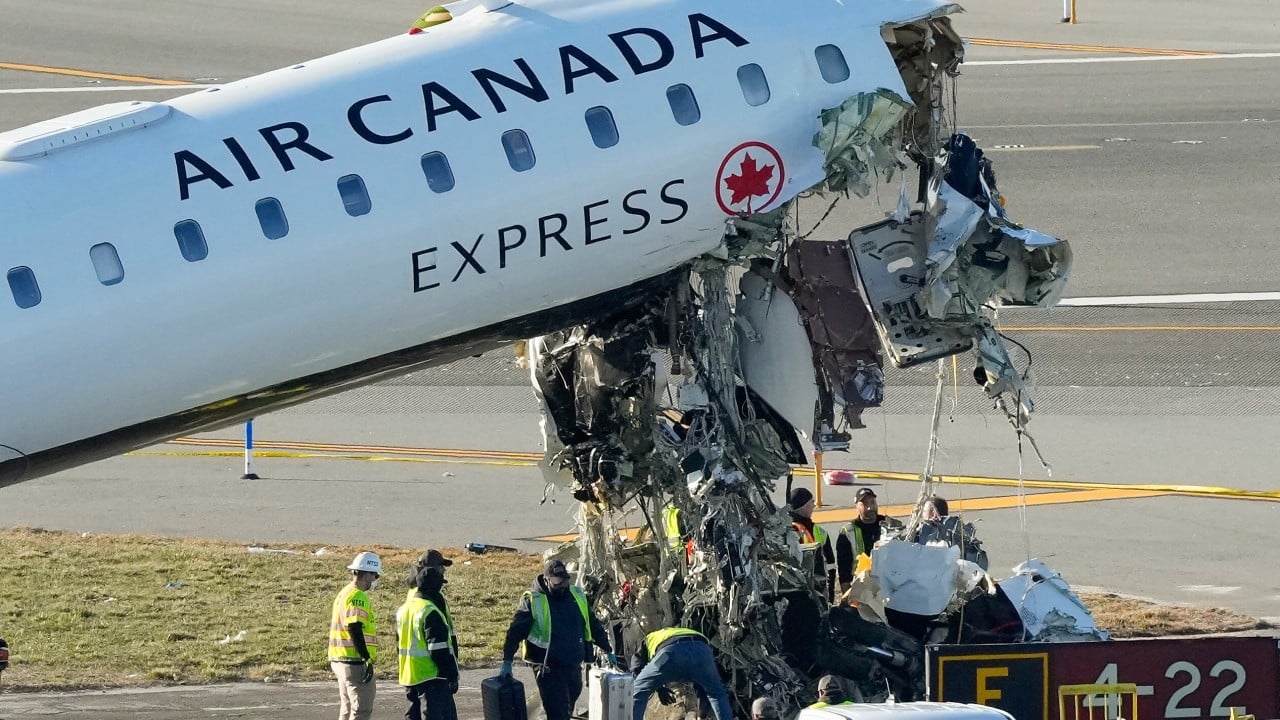
Safety in the skies relies on absolute vigilance. When air traffic controllers walk off the job or abandon their consoles before a shift ends, the margin for error shrinks to zero. Recent investigations revealed a systemic breakdown involving air traffic controllers leaving their posts prematurely right before a fatal crash occurred. The Federal Aviation Administration didn't hesitate. They want those responsible fired immediately.
People assume the aviation system runs entirely on automated redundancies. It doesn't. Human eyes, split-second decisions, and verbal coordination keep planes separated by hundreds of feet at high speeds. When staffing drops below mandatory minimums because personnel decide to ghost their stations early, the entire safety net frays.
Let's look at what actually happened behind the scenes.
The Reality of Air Traffic Control Shift Abandonment
Working tower or radar control is exhausting. The cognitive load is brutal. You watch multiple screens, manage radio frequencies, and predict spatial trajectories while managing exhausted pilots and shifting weather. Burnout is real. Staffing shortages plague regional facilities across the country.
None of that excuses walking away early.
When supervisors or investigators check logs following an incident, timeline discrepancies often reveal a culture of lax oversight. Controllers logging out early leave their colleagues shorthanded. A single controller ends up handling airspace designed for two or three people. Fatigue sets in faster. Mistakes happen.
The Federal Aviation Administration enforces strict standard operating procedures for shift handoffs. You cannot simply walk away because your relief is running late or because you feel like beating traffic. Every minute spent away from an active console without proper transfer of authority introduces massive vulnerability into the national airspace system.
Accountability and the Push for Firings
Management rarely moves this aggressively unless public trust and physical safety collide in the worst possible way. The FAA's demand for termination sends a clear message. Union protection won't shield individuals from gross negligence when lives are lost.
Critics argue that firing personnel doesn't fix the underlying staffing crisis. They point out that punishing individuals ignores systemic understaffing. Overworked controllers are working mandatory overtime week after week. The system is stretched thin.
Both things can be true at the same time.
You can acknowledge that the agency suffers from a severe shortage of certified professional controllers while simultaneously demanding that people do not abandon their posts. Compromising safety protocols because you are tired creates a compounding disaster.
What This Means for the Future of Aviation Safety
Passengers stepping onto a commercial flight assume the infrastructure protecting them is airtight. Incidents involving operational negligence shatter that illusion quickly.
If you fly frequently, you should care about how control facilities operate behind closed doors. The fallout from this incident will likely trigger several changes across the industry.
- Stricter electronic logging and biometric verification for shift changes.
- Increased random audits of facility staffing levels during off-peak hours.
- Zero-tolerance policies for early departures across all major regional hubs.
- Faster disciplinary hearings for safety violations.
Fixing aviation safety requires a dual approach. Facilities need relief through aggressive hiring and training pipelines to ease the crushing overtime burden. At the same time, individual accountability must remain non-negotiable.
If you abandon your post when lives depend on your attention, you have no business wearing the headset. The skies demand better.