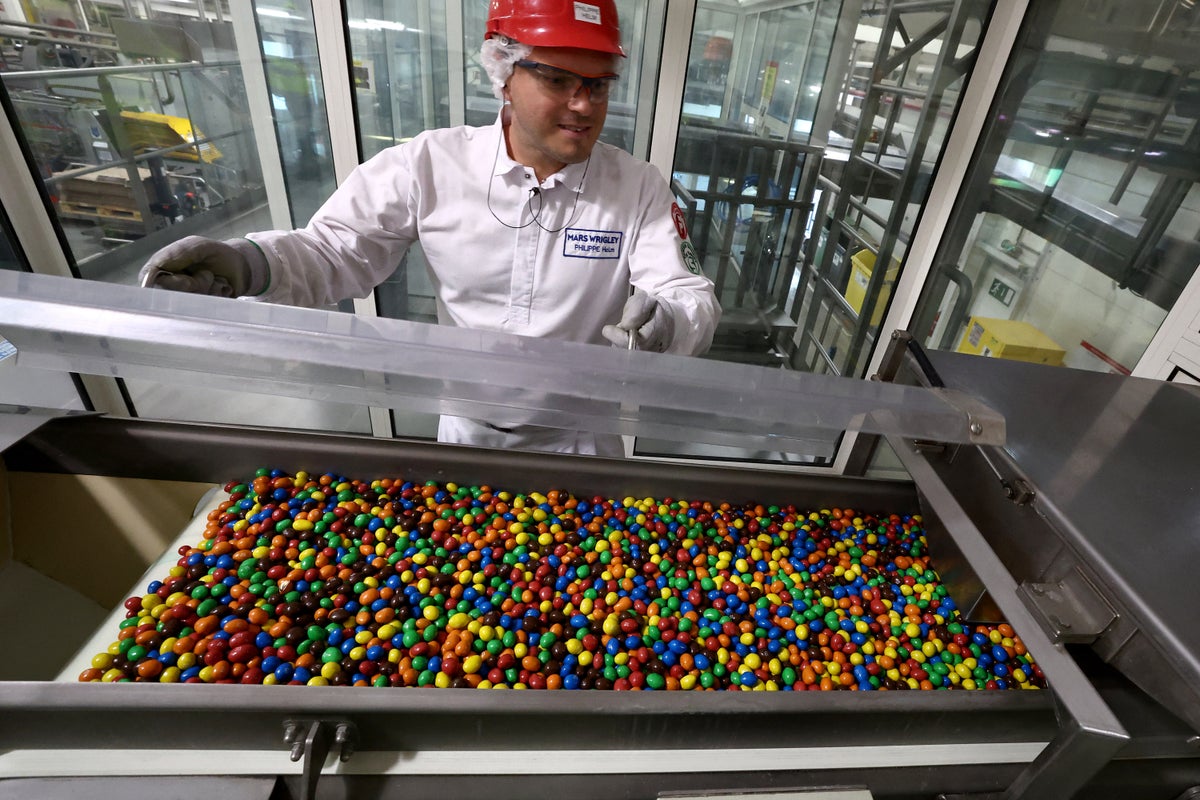
The corporate panic over what goes into a bag of M&Ms has officially reached peak absurdity.
Lately, the internet is flooded with hand-wringing over making candy "MAHA-friendly"—aligning junk food with the Make America Healthy Again movement. Mainstream media is weeping over the tragic logistical nightmare of replacing artificial colorings like Red 40 and Yellow 5 with natural alternatives. They cry about the "missing colors." They moan about the "exorbitant costs" passed down to consumers.
They are missing the entire point.
The media loves a lazy consensus. The current narrative assumes two things: first, that stripping synthetic dyes from a sugary confection somehow transforms it into a wellness product, and second, that global food conglomerates are helpless victims of supply chain chaos.
Both assumptions are dead wrong. This is not a health revolution. It is a brilliant, calculated marketing theater designed to make you feel better about eating pure, unadulterated garbage.
The Illusion of the Clean Candy
Let us look at the actual science of food chemistry, stripped of the emotional internet rhetoric.
When food companies ditch Red 40 for beet juice or spirulina, they are not fixing your metabolism. They are changing the hue of a product that is still, at its core, a delivery vehicle for refined sucrose and hydrogenated fats.
I have spent years watching consumer packaged goods (CPG) giants navigate regulatory pressure. The playbook never changes. When a ingredient becomes a public relations liability, you swap it out for something that sounds like it came from a garden, slap a premium price tag on it, and watch the margins expand.
- Red 40 and Yellow 6 are petroleum-derived colorants. Are they nutritional powerhouses? Obviously not.
- Beet juice and turmeric extracts are natural. Do they make a sugar-coated chocolate disk "healthy"? Not by a long shot.
The "MAHA" crowd wants to purge the chemicals to save the children. But replacing a synthetic molecule with a plant extract does absolutely nothing to address the actual drivers of metabolic dysfunction: glycemic load, hyper-palatability, and caloric density. A natural blue M&M will spike your insulin just as fast as a synthetic one.
To pretend this is a victory for public health is a joke. It is cosmetic wellness.
The Supply Chain Myth
The competitor press is obsessed with the "tragic loss" of the vibrant M&M color palette. They claim natural dyes cannot handle the heat of the manufacturing process, resulting in a dull, unappealing candy. They claim it costs up to ten times more to source these natural pigments.
Let us dismantle that logistics myth right now.
Europe solved this problem over a decade ago. In 2008, the European Parliament mandated warning labels on foods containing certain artificial dyes following the Southampton study on childhood hyperactivity. Did Mars Inc. pull M&Ms from the shelves in London and Paris? Did the colors fade into a depressing grey?
No. They adapted. They used spirulina, radish concentrate, and carotene. The candies look fine. The margins survived.
The infrastructure already exists. When American executives claim that transitioning the domestic supply chain is an insurmountable, hyper-expensive hurdle, they are lying to you. They are setting the stage for a price hike.
"We had to overhaul our entire sourcing matrix to bring you these artisanal, earth-toned treats. That will be an extra $1.50 per bag, please."
It is a classic margin-expansion play masquerading as corporate compliance.
Dismantling the People Also Ask Nonsense
If you look at what people are searching regarding this controversy, the confusion is staggering. The internet has thoroughly rotted our collective understanding of food science.
Are natural food dyes safer than artificial ones?
Not inherently. This is the classic appeal-to-nature fallacy. "Natural" does not mean non-toxic or non-allergenic. For example, cochineal extract (Carmine), a widely used natural red dye derived from crushed insects, is a known allergen that can trigger anaphylaxis in sensitive individuals. Synthetic dyes are highly purified, predictable molecules. Natural extracts are complex mixtures that can introduce stability issues, off-flavors, and unpredictable trace compounds into the food supply.
Why does the US still use dyes banned in Europe?
They are not explicitly banned in Europe; they just require a warning label. US regulatory bodies like the FDA view the existing toxicology data differently than the European Food Safety Authority (EFSA). But more importantly, US food companies keep using them because they are dirt cheap and shelf-stable for years. It is about profit, not a government conspiracy to poison the population.
Will changing candy dyes fix childhood behavior issues?
If your child is consuming enough candy for the food coloring to be the primary variable in their behavior, the dyes are the least of your problems. The massive surge of glucose and subsequent crashes are doing far more damage to a child's focus and emotional regulation than a microgram of Blue 1 ever could.
The True Cost of Going Natural
Let us be completely transparent about the downside of the contrarian view. If a company goes fully natural, there are genuine operational penalties. But they are not the penalties the media is talking about.
The real issue is agricultural volatility.
+-------------------+---------------------------+---------------------------+
| Feature           | Synthetic Dyes            | Natural Extracts          |
+-------------------+---------------------------+---------------------------+
| Cost              | Fractions of a cent       | Highly variable, expensive|
| Supply Stability  | Weather-independent       | Vulnerable to crop failure|
| Shelf Life        | Indefinite                | Degrades under light/heat |
| Flavor Profile    | Completely neutral        | Can introduce earthy notes|
+-------------------+---------------------------+---------------------------+
When you rely on petroleum, your raw material cost is incredibly stable. When you rely on thousands of acres of specific carrot varieties to get your orange hue, you are suddenly at the mercy of droughts, pests, and climate shifts.
If a blight hits the specific crop used to color the yellow candies, a multi-billion-dollar brand faces a literal blackout of a core product line. That is the risk. It is a risk of volume and consistency, not an engineering impossibility.
Stop Fixing Junk Food
The obsession with sanitizing our vices is a cultural disease. We want the dopamine hit of ultra-processed food without the guilt, so we demand that the system manufacture an engineered middle ground.
It is a trap.
When you demand "healthy" junk food, you create a monster. You get snacks packed with sugar alcohols that wreck your digestion, alternative sweeteners that distort your taste receptors, and natural colorings that give a junk product a halo of health. This halo encourages higher consumption. You eat the whole bag because it is "clean."
If you want to join the MAHA movement and fix your health, do not wait for a multi-national conglomerate to optimize the dye formulation of your chocolate buttons.
Stop eating the chocolate buttons.
If you are going to eat candy, eat the real, toxic-looking, neon-colored stuff. Eat it with the full awareness that it is bad for you. Enjoy the chemical engineering marvel that keeps a shell crispy and bright for five years. Treat it as the occasional vice it was meant to be.
Stop asking corporations to lie to you with beet juice.