Dusk falls differently over Tehran. It does not arrive as a gentle softening of the edges, but rather as an iron curtain dropping across the sky, heavy with the scent of dry earth and old stone. Standing on a rooftop overlooking the sprawling, restless sprawl of the capital, you can feel the quiet hum of a nation holding its breath. The air vibrates with an invisible tension. Somewhere down there, in subterranean command bunkers carved deep beneath the granite, generals map out an architecture of absolute deterrence.
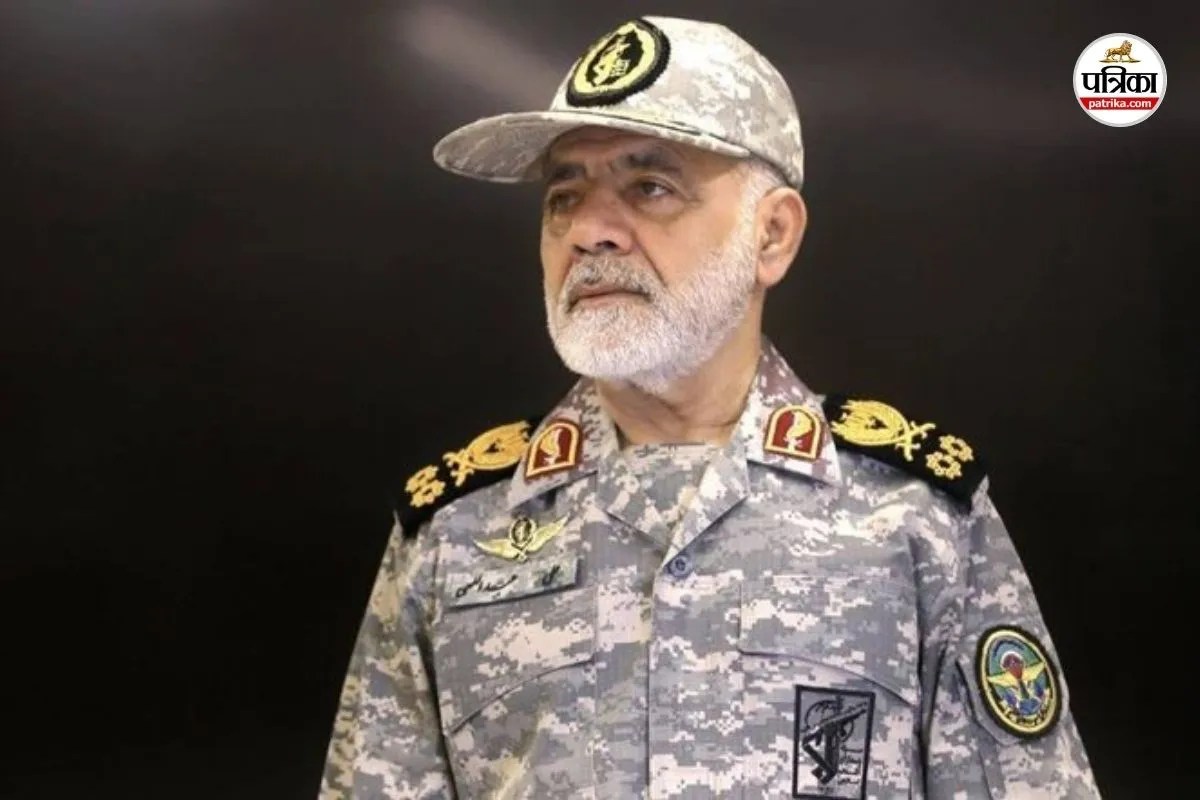
When the head of Iran's military issues a warning that any provocation will meet a catastrophic response stretching from the dirt beneath our feet to the silent vacuum of space, the words are not merely political posturing. They are the punctuation marks of an era defined by fear. If you found value in this article, you might want to read: this related article.
Listen.
Can you hear it? For another look on this development, refer to the latest update from The Guardian.
Nothing.
That is the terrifying part. Modern conflict does not announce itself with the cinematic roar of marching boots or the slow rumble of distant thunder. It begins in milliseconds. It lives in the quiet pulse of fiber-optic cables running along ocean floors and the silent orbits of satellites passing overhead. When military leadership speaks of extending defense beyond the troposphere into the stars, they are acknowledging a brutal truth. The battlefield has broken its earthly chains.
Consider the ordinary citizen waking up to these headlines over morning tea. The steam rises from the glass, but the warmth does not reach the chest. There is a profound fatigue that settles into the collective psyche of people who have lived in the crosshairs of history for decades. You learn to read the subtle shifts in the evening news. You watch the currency rates. You look at the faces of children playing in the alleyways, wondering silently which invisible line they might inherit tomorrow.
The strategy of total preparedness is an expensive mistress. It demands resources diverted from empty shelves and dry wells, funneled instead into the dark machinery of interception and retaliation. Ground-to-space capabilities sound like science fiction, yet they are the cold currency of modern survival. If you cannot see the eye in the sky watching you, you are already blind. If you cannot strike back before the missile clears the horizon, you are already gone.
History teaches us a cruel lesson about lines drawn in the sand. They never stay put. They wash away with the first rising tide of anger or miscalculation. Every warning issued from a podium in Tehran or heard across international broadcasts is a brick added to a wall neither side knows how to tear down.
Walk through the Grand Bazaar on any afternoon, past the copper smiths hammering out intricate designs that have not changed in centuries. The rhythm of their mallets is steady, hypnotic, almost defiant. Life continues because it must. People buy bread. They argue over the price of pistachios. They fall in love. They bury their dead. This dual existence—the mundane sweetness of daily life perched directly above the mouth of a volcano—is the defining human condition of our time.
We are told that deterrence keeps the peace. We are told that pointing a thousand invisible daggers at each other's throats is the only way to ensure nobody drops theirs. But anyone who has ever stood close enough to the machinery of war knows the fatal flaw in that logic. It only takes one slip. One tired operator misinterpreting a blip on a screen. One politician misjudging a rival's resolve.
The warning from the military chief is not an invitation to panic. It is a mirror. It reflects a world trapped in an escalating spiral of technological paranoia, where the answer to every threat is simply a bigger, faster, more absolute terror.
The sun dips below the horizon, leaving behind a bruised purple streak across the western sky. Somewhere up there, a satellite glints against the emerging stars, entirely indifferent to the millions of beating hearts watching it pass. The silence remains unbroken. For now.