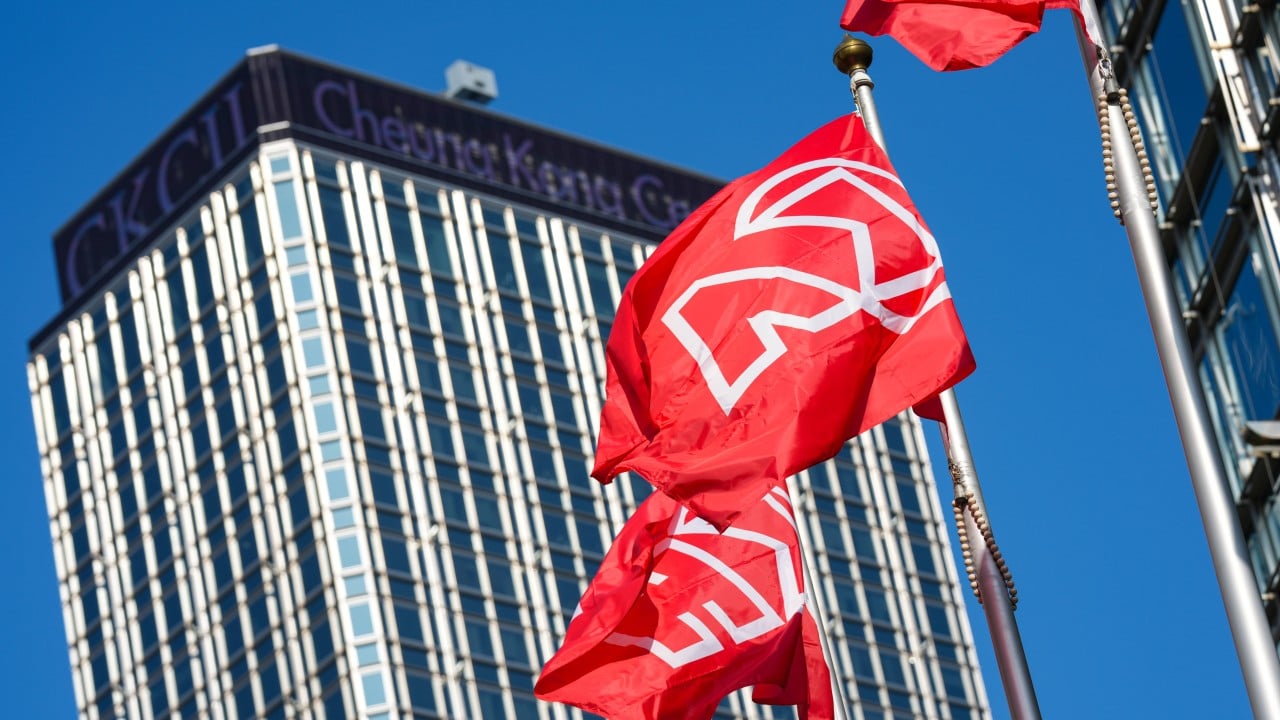
Fubon Bank has finally planted its flag across the boundary. The institution's Hong Kong banking arm has officially opened its inaugural mainland China branch in Shenzhen, marking a long-anticipated escalation in its cross-border growth strategy. For years, regional players based in Hong Kong have eyed the vast commercial arteries of the Greater Bay Area with a mixture of ambition and apprehension. Fubon has now made its move. This single operational milestone transforms the institution from a localized regional player into a direct participant in one of the most fiercely contested financial corridors in East Asia.
Financial markets rarely react with sudden emotion to branch openings, but beneath the quiet facade of regulatory approvals lies a grueling endurance test. The Shenzhen launch is not merely a ribbon-cutting exercise. It represents a calculated entry into an economic zone dominated by massive state-owned financial monoliths and deeply entrenched mainland lenders. To survive here, a mid-sized subsidiary cannot rely on conventional commercial banking playbooks. Learn more on a connected topic: this related article.
The Greater Bay Area Chessboard
Geographical proximity does not guarantee market penetration. Shenzhen operates as a hyper-competitive tech and manufacturing powerhouse, filled with corporate treasuries that demand lightning-fast execution, bespoke credit facilities, and multi-currency liquidity management. Fubon’s Hong Kong entity understands this environment well on paper, yet translating that theoretical understanding into actual loan book growth is an entirely different battle.
The rationale behind the Shenzhen branch stems from structural necessity. Hong Kong banks face a mature, highly saturated domestic credit market. Net interest margins have compressed under the weight of high funding costs and sluggish local corporate demand. Expanding northward into the mainland is the logical escape hatch. Additional journalism by MarketWatch delves into similar perspectives on the subject.
Navigating the Regulatory Labyrinth
Obtaining the green light from regulators is only the opening act. The regulatory architecture governing cross-border capital flows between Hong Kong and mainland China remains a delicate ecosystem. Compliance costs are high. Reporting standards differ. Risk management protocols must satisfy both Hong Kong Monetary Authority guidelines and the stringent mandates of mainland financial authorities.
- Licensing Constraints: Initial operations typically face strict limitations on local currency retail deposits, forcing foreign-backed branches to lean heavily on corporate banking and wholesale funding.
- Credit Risk Assessment: Evaluating mainland corporate balance sheets requires local intelligence that takes years to cultivate.
- Liquidity Management: Balancing offshore funding pools with onshore Renminbi obligations introduces foreign exchange and interest rate exposure that can punish careless treasury desks.
Fubon has structured its Shenzhen branch to target high-net-worth individuals and mid-to-large-scale corporations operating across the border. This dual focus sounds sensible. It also places the bank in direct competition with established domestic heavyweights who possess deeper pockets and existing relationships that span decades.
The Margin Pressure Reality
Let us look past the corporate press releases. Operating a mainland branch requires massive upfront capital expenditure in technology, compliance infrastructure, and localized talent acquisition. Meanwhile, the current economic climate across mainland China features downward pressure on lending rates.
When a mid-sized bank enters a market where loan prime rates are trending lower, maintaining healthy profit margins becomes an uphill climb. Fubon cannot win a price war against policy banks or systemic giants like the Industrial and Commercial Bank of China. Competing on basis points of interest is a recipe for balance sheet erosion.
Instead, the institution must carve out a distinct operational niche. Cross-border trade finance, supply chain advisory services, and specialized wealth management for entrepreneurs with footprints in both Hong Kong and Shenzhen offer the most viable survival paths. If Fubon attempts to be a generalist bank in Shenzhen, the experiment will likely yield disappointing returns.
The Talent War in Shenzhen
Capital is mobile, but exceptional banking talent is scarce. Recruiting seasoned relationship managers in Shenzhen requires paying top-tier compensation packages that rival those found in central financial districts like Shanghai or Beijing.
- Compensation Inflation: Top talent expects performance-based bonuses tied to aggressive asset-gathering targets.
- Institutional Loyalty: Senior bankers frequently jump ship, taking their corporate client portfolios with them.
- Cultural Alignment: Integrating Hong Kong corporate culture with mainland operational workflows frequently creates friction at the middle-management level.
Fubon’s leadership must navigate these human capital hurdles carefully. A single mismanaged regional team can result in poorly vetted credit exposures that materialize as non-performing loans down the road.
A Bellwether for Regional Lenders
The broader significance of Fubon's Shenzhen expansion extends far beyond a single balance sheet. Other mid-sized Hong Kong and regional Asian banks are watching this rollout with intense interest. If Fubon successfully scales its mainland operations and achieves sustainable profitability within the Greater Bay Area framework, expect a wave of fast-following applications from competitors eager to replicate the playbook.
Conversely, should regulatory friction, margin compression, or credit missteps plague the Shenzhen branch, the retreat will be quiet but swift. The era of easy geographic expansion is long gone. Modern cross-border banking demands absolute precision, unyielding risk discipline, and a clear-eyed assessment of what an institution can realistically achieve against larger rivals. Fubon has made its declaration of intent in Shenzhen, and the market will judge the wisdom of that choice quarter by quarter.